Understanding the Implications of Recent U.S. Tariffs
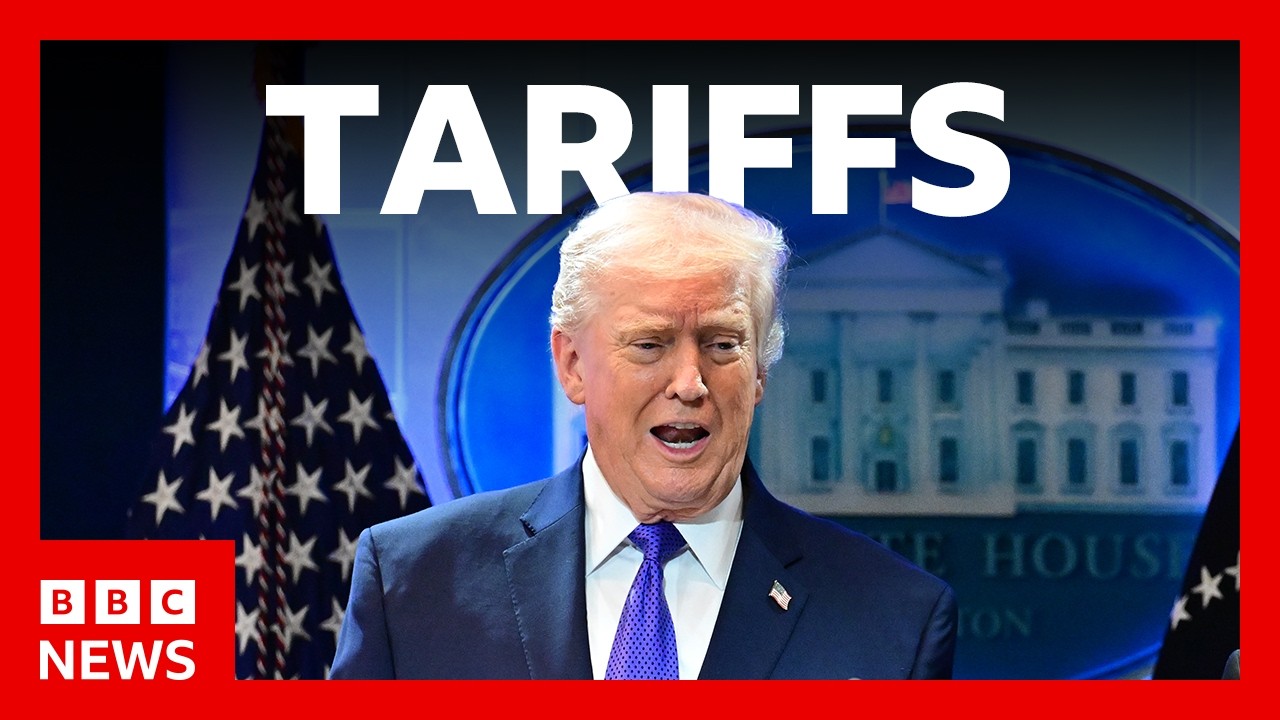
In the latest chapter of the ongoing trade war, the United States has implemented a new 10% global tariff on a wide range of imported goods. This decision follows a Supreme Court ruling that overturned a complex series of unilateral tariffs imposed last year. While a proposed 15% tariff was suggested over the weekend, it has yet to be formalized, leaving many stakeholders wondering about its potential impact.
The newly established 10% tariff, authorized under a different legal framework, is set to be in effect for approximately 150 days. After this period, Congress must decide whether to grant an extension. President Trump has already signaled his intent on social media, warning that countries attempting to challenge the Supreme Court’s ruling will face even higher tariffs.
For businesses in the United Kingdom, there is a mix of relief and confusion. The delayed implementation of the suggested 15% tariff has left many in a state of uncertainty. Marco Forion, the Director General of the Chartered Institute of Export and International Trade in the UK, described the current trade environment as a "Trump trade discombobulator." He noted that the incessant announcements, counter-announcements, and lack of clarity have created an exceptionally tumultuous atmosphere in international trade.
Kalin Burch, a global economist at the Economist Intelligence Unit, sheds more light on why the 10% tariff was enacted instead of the higher proposed rate. The tariffs, governed under section 122, allow for a maximum levy of 15%. The administration’s decision to apply a lower tariff may indicate a strategic approach to maintaining leverage in trade negotiations. Despite the U.S. imposing tariffs across the board, it potentially allows for selective targeting of specific trade partners for future concessions or ratifications of existing deals.
However, this blanket tariff strategy comes with its own set of complications. It can disrupt existing trade agreements, particularly with major economies like the European Union and Japan. The uncertainty has created a scenario reminiscent of last summer’s negotiations, wherein many countries hesitate to engage, preferring to stall rather than commit. The stability that was slowly being restored following previous tariff implementations seems to be slipping away again, raising concerns among importers and exporters who are eager for clarity.
The ongoing adjustments in tariffs are problematic for economies striving for predictability. Burch emphasized that without consistent guidelines, businesses face a challenging environment. The unpredictability hampers investment decisions and complicates international trade relationships, with companies uncertain about how to prepare for subsequent negotiations.
In this climate, the potential for increased legal challenges is a pressing concern. The Supreme Court’s recent ruling left open questions regarding potential refunds for businesses affected by the previously enacted tariffs. Companies like FedEx are already suing for what could amount to billions of dollars in refunds, signaling a trend that may encourage others to follow suit. As the legal ramifications unfold, the judgment on whether refunds will be granted remains to be seen.
The evolving landscape of U.S. tariffs presents complex challenges and responses from international partners. The current 10% levy may represent a temporary measure in an ongoing strategy to exert pressure on trade partners. For many in the global market, the call for clarity and stability in trade agreements grows more urgent. The next few months will be critical in determining whether the unpredictability will give way to a clearer framework or whether the discombobulation will persist, further complicating international relations.
As nations await the next moves in this chess game of tariffs and trade agreements, one thing remains clear: the world is watching closely. The outcomes of these negotiations will have far-reaching implications for businesses and economies alike, making it crucial for stakeholders to stay informed and engaged.