Bad Bunny: The Cultural Phenomenon Navigating Music and Politics
Bad Bunny stands as a towering figure in contemporary music—a voice resonating not just in Latin America but across the globe. His influence transcends mere entertainment; he emerges as a powerful advocate for political and social causes through his art. Born in 1994 in Vega Baja, Puerto Rico, Bad Bunny’s humble beginnings shaped his artistic journey, which now sees him on the precipice of superstardom.
His rise to fame can largely be traced back to the explosion of reggaeton and Latin trap, genres that encapsulate the struggles and celebrations of Puerto Rican life. From his modest family background—his father a truck driver and mother a teacher—music became his sanctuary. It was in Puerto Rico’s vibrant musical landscape that he honed his craft, listening to classic salsa and participating in church choirs. However, it was the advent of internet platforms like SoundCloud that allowed him to leap from local obscurity to global fame.
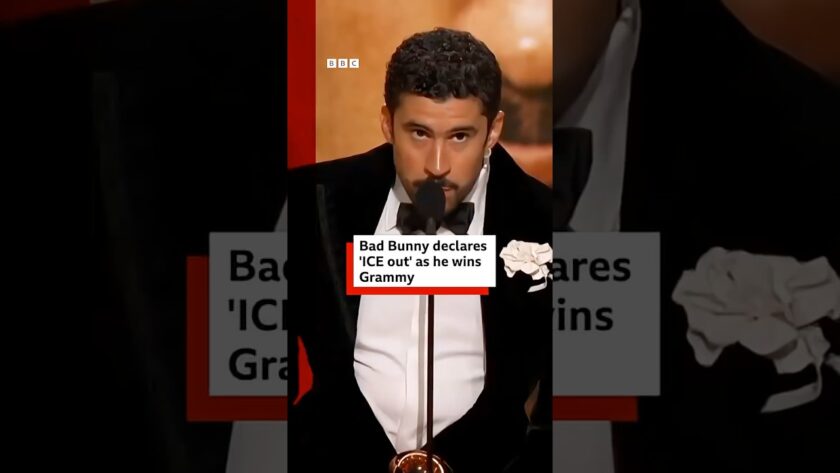
In 2018, Bad Bunny featured in Cardi B’s mega-hit "I Like It," catapulting him to international recognition. His unique sound, characterized by playful lyrics and a distinctive vocal style, quickly became a staple in the music industry. But it is his unabashedly progressive stance on socio-political issues that truly sets him apart. Long before he became a household name, he questioned the societal norms surrounding masculinity and identity. With his colorful sunglasses and painted nails, he challenged traditional gender norms, embodying a refreshing blend of masculinity and vulnerability that appeals to a diverse audience.
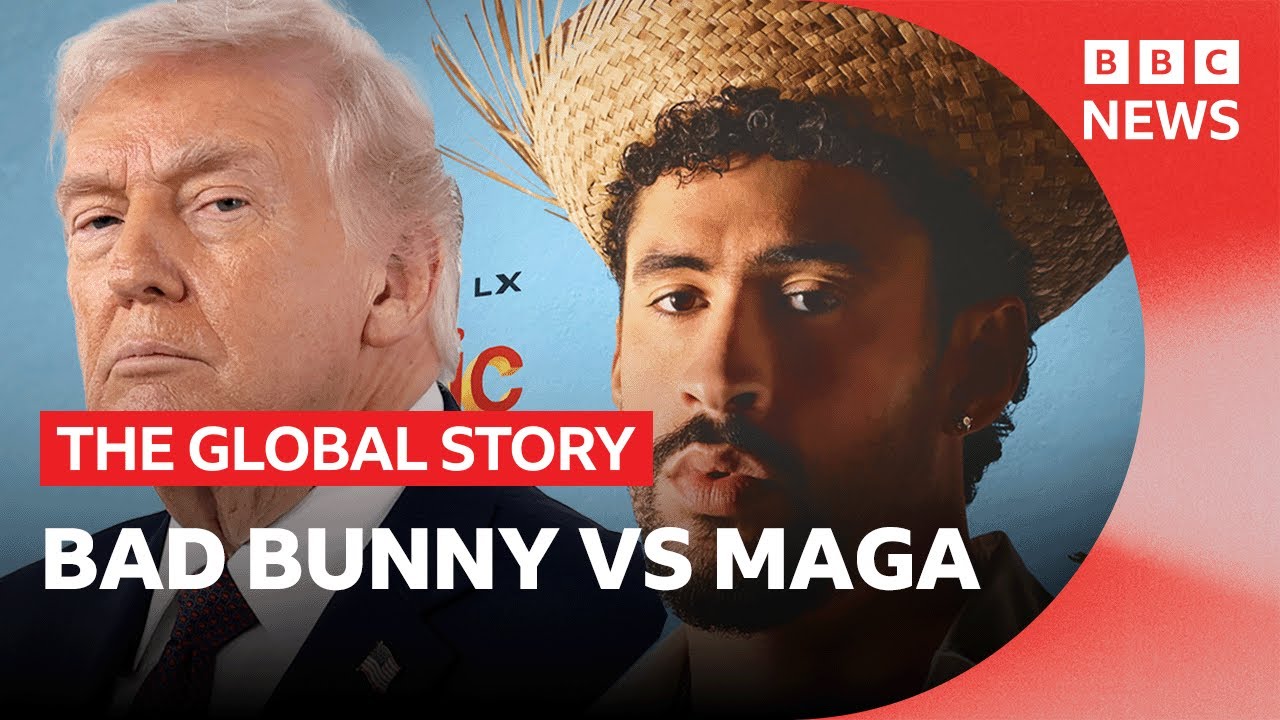
His music serves as a poignant reflection of Puerto Rico’s struggles. Following Hurricane Maria’s devastation in 2017, Bad Bunny didn’t shy away from speaking out against the failed governmental response, even going so far as to address then-President Trump’s ineffectual handling of relief efforts. His voice became a rallying point for many who felt marginalized not only within their own territory but also on the global stage. This was not trivial celebrity activism; Bad Bunny’s music encapsulates a broader narrative of resilience, identity, and sovereignty that resonates deeply with Puerto Ricans and Latin Americans alike.
In January 2025, he released Demi Taras Photos, interpreted as an homage to his homeland. The album urges listeners to cherish the present and value their roots—an exploration of identity that gains further resonance in challenging times. As he blends traditional Puerto Rican sounds with modern sensibilities, he fosters a cultural dialogue that is both celebratory and critical. This interplay creates a unique musical experience that invites participation regardless of language barriers.
His upcoming performance at the Super Bowl halftime show raises intriguing questions. On one hand, it represents a monumental opportunity for Bad Bunny to reach an audience of millions, yet it has also stirred controversy. Critics express concern over his selection, suggesting it highlights ongoing cultural divisions in the country. With a history of backlash against musicians who use their platforms for advocacy, Bad Bunny is following a well-trodden path. Still, his approach feels different. He embodies a form of bold defiance, using the world’s largest stage to challenge norms, celebrate his cultural identity, and potentially advocate for Puerto Rican sovereignty in a way that has yet to be witnessed in such an expansive format.
As the world tunes in, expectations run high. Will Bad Bunny’s performance simply deliver entertainment, or will it serve as a profound commentary on the socio-political landscape? One aspect remains certain: Bad Bunny’s success is not merely a personal triumph. It is a cultural moment offering a rare glimpse into the heart of a generation grappling with identity amidst the complexities of modern existence.
In a time when divisions seem more pronounced, Bad Bunny’s dual role as artist and activist resonates with many. For those who have followed his journey, he symbolizes a new era of Latin music—one that is unapologetically political and intensely personal. As the Super Bowl halftime show approaches, all eyes will be on Bad Bunny, eager to see how he wields his influence at a pivotal moment in both his life and the wider cultural landscape. His potential to unite, provoke thought, and celebrate identity could reverberate long after the final note fades.