Examining the Threats to Democracy Ahead of the 2026 Midterms
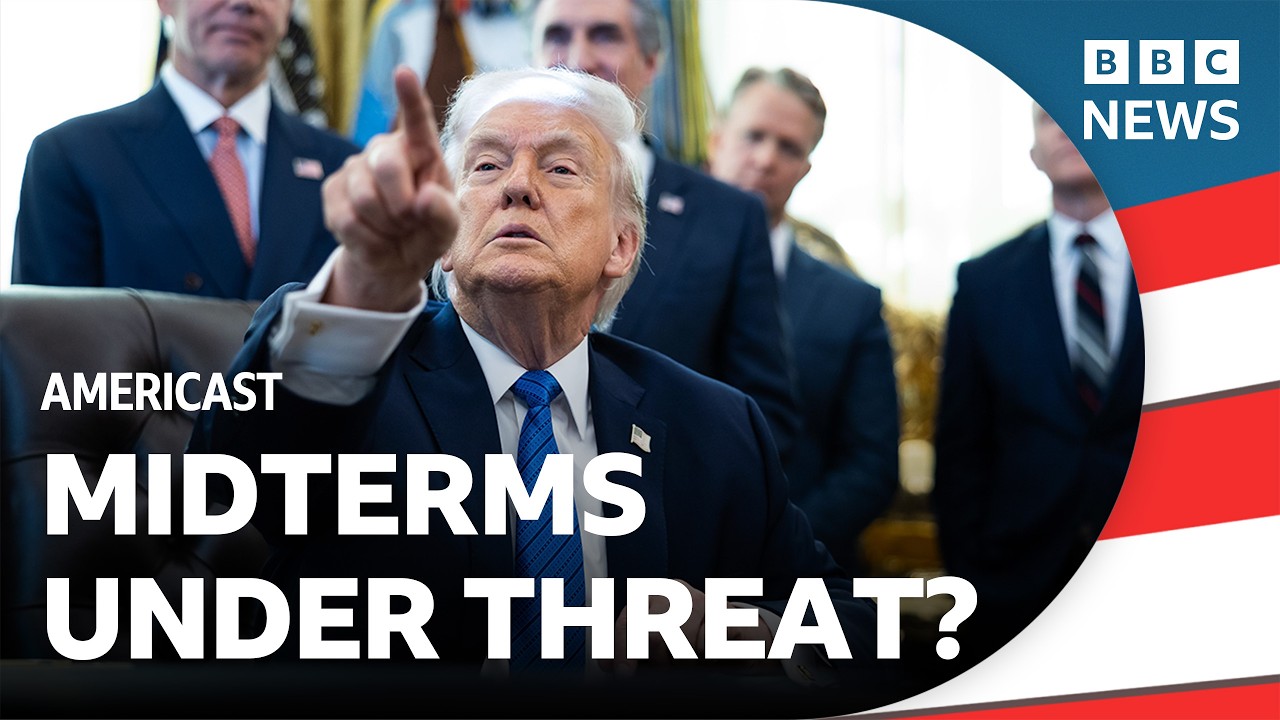
As the political landscape in the United States evolves, the looming 2026 midterm elections have begun to take center stage. Donald Trump, once again at the helm of the Republican discourse, is shaping the conversation around these elections with increasingly alarming rhetoric. While he has not suggested outright that the elections may be canceled, the implications of his statements raise serious questions about the integrity of the electoral process itself.
Trump’s recent comments suggest a skepticism towards the system that is all too familiar to those who have followed his political career. His view that elections can be compromised, and his insinuations about potential cheating, have been repeated throughout his political journey, notably starting from the 2016 presidential campaign. Even back then, he refrained from committing to accept electoral results that could disadvantage him. This pattern seems indicative of a larger strategy geared toward delegitimizing the electoral process whenever he perceives it as unfavorable.
The stakes for the upcoming midterms are acutely high. Every seat in the House of Representatives and one-third of the Senate is up for grabs. Given the narrow margins that can define control in Congress, the pressures intensify. Currently, Democrats aim to flip a minority of seats—just four for the Senate and a few in the House, illustrating how tenuous the balance of power is. Historically, midterms tend to favor the party not in the White House; therefore, Democrats are cautiously optimistic yet acutely aware of the challenges ahead.
Recent analyses point to a limited number of "toss-up" races—approximately a dozen to twenty seats that could realistically switch parties. These are the battlegrounds where elections may pivot dramatically, sometimes yielding surprising outcomes in wave elections. Historical patterns demonstrate that when voter turnout swells, often unpredictably, significant electoral shifts can occur, and Democrats are keen to leverage this potential.
Amidst this political jockeying, Trump has invoked a federal role in election oversight, a notion that contradicts traditional Republican stances on states’ rights. By suggesting that the federal government should intervene in how states conduct elections, he raises constitutional questions that many conservative lawmakers would typically resist. The crux of his argument hinges on the assertion that some states perform poorly in administering elections, leading to calls for systemic reform.
Moreover, the use of voting methods, such as mail-in ballots, has become another contentious issue. Certain Republican leaders have voiced concerns over mail-in voting, alleging it leads to electoral fraud. This claim, however, lacks substantial evidence, reflecting a complex interaction between electoral habits and partisan alignments. Democrats have shown a predilection for voting by mail, whereas Trump encourages his supporters to vote in person, creating a divided electorate.
However, beyond procedural concerns lies a more sinister undercurrent about potential voter intimidation on Election Day. Figures like Steve Bannon hint at deploying law enforcement to disrupt operations at polling places, making thinly veiled threats that could discourage voter turnout, particularly in communities of color. This tactic, veering into voter suppression, poses a significant risk to the democratic process, further complicating the landscape of voter rights in America.
Democratic leaders, like Senate Minority Leader Chuck Schumer, have issued calls to action, urging Republicans to stand against such hostile rhetoric that undermines democratic traditions. The debate is becoming less about individual policies and more about the very fabric of American democracy itself. While Democrats seem galvanized in their mission to protect voting rights, they also risk being seen as one-dimensional if their platform overly centers on opposition to Trump without offering constructive policy proposals.
As the midterms draw nearer, the picture becomes increasingly nuanced. While Republicans remain divided between traditional tenets of governance and the disruptive tactics espoused by Trump and his allies, Democrats are at a crossroads, needing to articulate clear, compelling narratives that resonate beyond simply being anti-Trump. The electoral outcomes in 2026 will not just determine control of Congress; they will fundamentally shape America’s approach to democracy and governance for years to come. Any disruption to this electoral integrity may have ramifications that extend well past the voting booths.
In the realm of American politics, the stakes are indeed high, and the imperative to uphold democratic norms has perhaps never been clearer. The next couple of years will serve as a litmus test for the resilience of democracy in an era fraught with unprecedented challenges. The next election isn’t just about seats—it’s about the principles that underpin the very system itself.