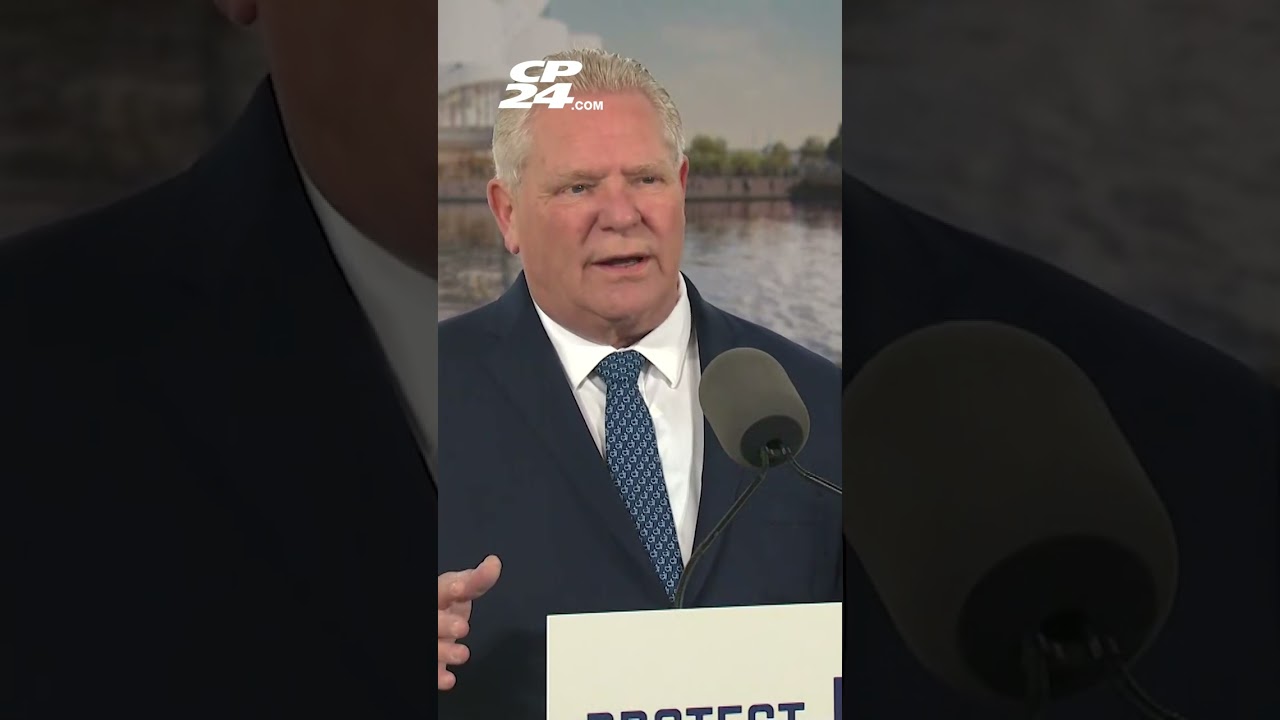
Addressing Drug Use on Transit: A Complex Proposal
In recent discussions surrounding public safety, particularly in Toronto’s transit system, a proposal to enhance the powers of special constables has ignited a significant amount of debate. The concern? The alarming visibility of drug use among commuters, contributing to a pervasive atmosphere of fear and unease. As the city’s leadership grapples with these issues, the crux of the conversation revolves around the wellbeing of both the general public and those struggling with addiction.
At the heart of the matter lies a stark reality: many individuals feel unsafe when using the subway. This anxiety is especially acute in areas where drug use is visibly prevalent. Reports of individuals openly injecting drugs, discarding needles, and engaging in erratic behavior illustrate a troubling situation that, for many, renders public transit a site of distress rather than convenience.
Although special constables currently patrol the transit system, their powers are limited. This raises the question of what greater authority could achieve. Proponents argue that if special constables were granted expanded powers to intervene in drug-related incidents, it could help deter illicit activity and restore a sense of safety for commuters. However, this notion is not without controversy. Critics assert that enhancing policing powers may inadvertently further victimize vulnerable populations, essentially criminalizing behaviors arising from addiction rather than addressing the root causes of these issues.
The conversation has garnered various perspectives. Those in favor of giving enhanced authority to special constables often point to the pressing need for immediate action. They argue that the current policing framework is insufficient for effectively managing situations where intoxicated individuals pose a risk to the safety of others. In the words of one advocate, "We need to make the subway the safest it can be." This sentiment resonates with a portion of the community that feels overwhelmed by the visibility of drug use and its associated risks.
However, underlying this urgent need for safety is a deep-seated compassion for those struggling with addiction. There’s a growing recognition that punitive measures may not be the most effective long-term solution. Enhanced powers might lead to increased arrests and the displacement of individuals already facing significant hardships. Community voices echo a concern that fostering an environment that marginalizes vulnerable populations may lead to further issues, including an increase in homelessness and economic distress.
Toronto’s government acknowledges the nuance of this issue. Recent initiatives, framed within a compassionate context, aim to devote substantial resources to address the root of the crisis. A proposed $530 million package earmarked for establishing “heart hubs” seeks to create safe spaces for those grappling with addiction. These hubs would not only serve as shelters but also provide rehabilitative services and employment opportunities, reflecting a holistic approach to an incredibly complex problem.
Critics of special constables’ expanded powers underscore that safety cannot be achieved through fear or exclusion. They advocate for investment in support systems that foster rehabilitation and reintegration rather than further criminalizing people in crisis. The balance between community safety and compassion for those in need remains delicate.
This predicament presents a unique challenge: how to create a safe public space without diminishing the dignity and rights of the individuals who populate it. The conversation also necessitates a broader discussion regarding societal perceptions of addiction and how we provide support. The presence of a drug user should not lead to immediate fear; rather, it should evoke an understanding of the public health implications involved.
As the discussion continues, it’s essential for all stakeholders—police, government officials, and community members—to work towards solutions that prioritize both safety and compassion. The transit system should be a space where individuals feel secure, but it should also be a space that acknowledges and addresses the complexities of addiction. To truly address the issue of drug use on transit, we must look beyond punitive measures and embrace a more comprehensive and humane approach.