Understanding Double Hatred: A Deep Dive into Voter Dynamics
In the intricate realm of American politics, recent polling data reveals a fascinating paradox. While Democrats are reportedly leading the political landscape by a margin of six points, their favorability remains alarmingly low—hovering around 28%. This dissonance can largely be attributed to a unique section of the electorate, informally dubbed the “double haters.” These voters harbor strong disdain not only for Democrats but for Republicans as well, creating a complex dynamic that could shape future elections.
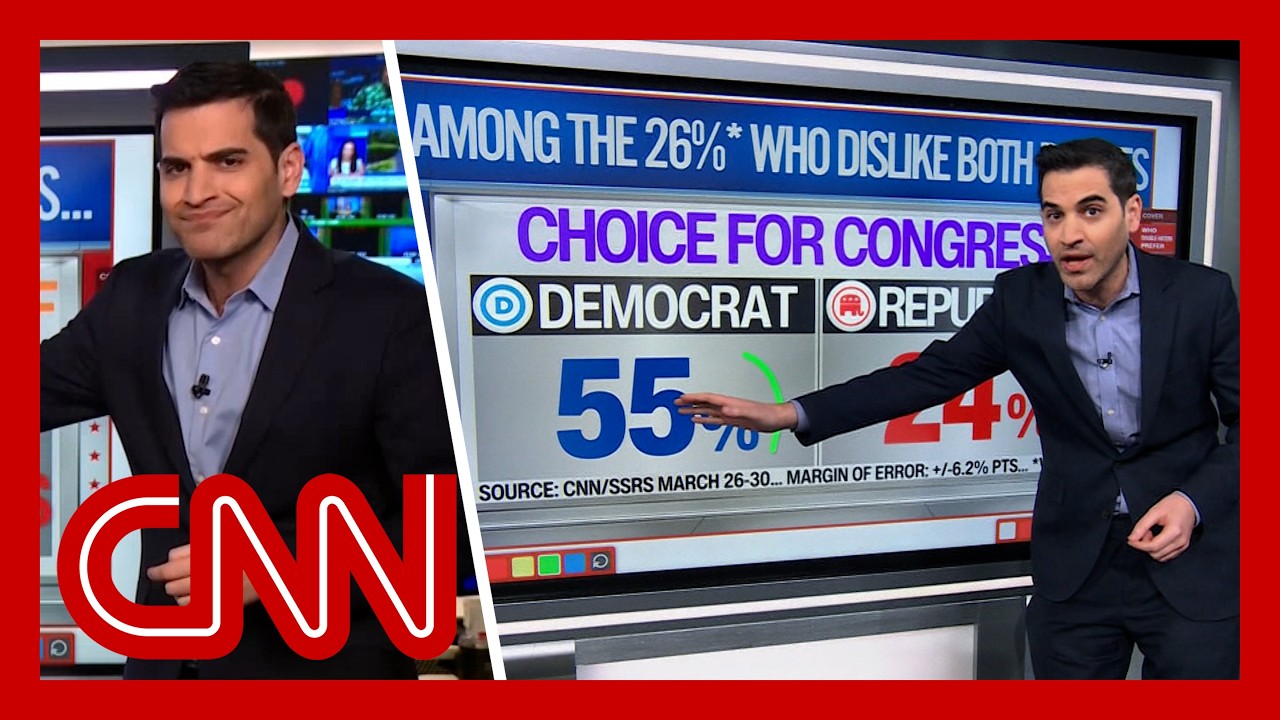
Double haters constitute a crucial 26% of the electorate, representing a sizable demographic that is dissatisfied with both major political parties. Their preferences indicate a considerable tilt toward Democrats, who currently hold a 31-point advantage among these voters. This shift is particularly noteworthy when compared to the 2022 midterm elections, during which Republicans captured this group by a margin of 17 points. Historically, the party that wins over these double haters tends to prevail in elections—a trend highlighted by Donald Trump’s successful campaign against Hillary Clinton in 2016. Now, with Democrats appearing to galvanize this crucial demographic, the political landscape may be shifting once more.
However, the low favorability ratings within the Democratic party raise urgent questions about internal cohesion and voter engagement. Data indicates that many Democrats are unhappy with their own leadership. Roughly 63% of Democrats express dissatisfaction with their party. Nonetheless, their aversion to Donald Trump serves as a potent motivating factor, driving disenchanted voters to the polls. The sentiment is clear: many may not resonate with Democratic values or leadership, but they are compelled to vote against Trump, whom they view as a threat.
This sense of urgency among Democrats brings into focus the potential for Hakeem Jeffries, the current House Minority Leader, to ascend to the role of House Speaker. Three months ago, predictions placed his chances at 66%; that figure has now surged to 79%. As the party looks to harness the sentiments of double haters, Jeffries appears poised to take advantage of the shifting political tides. A pragmatic approach may characterize the Democratic trajectory moving forward, even if it comes from a position of discontent.
While Republicans face significant challenges too, the outlook for the Democratic Party appears grim in other respects. A staggering 74% of voters believe that congressional Democrats lack the right priorities—an assertion even echoed among Democratic voters. Alarmingly, about 55% of independent voters share this sentiment. The internal strife within the party indicates a critical need for introspection and perhaps a reassessing of strategies, as many Democratic leaders lack the support of their necessary coalition.
Historically, voter sentiment has shown that discontent within party ranks can trigger primary challenges. The current climate suggests that Democrats may soon find themselves facing increased competition within their own party, driven by growing dissatisfaction among their bases. The landscape is changing, and leadership dynamics may shift in unexpected ways.
The precariousness of the political environment is further amplified by high retirement rates among Republican lawmakers. Reports indicate that 36 House Republicans have announced their decision not to seek re-election—the highest figure since 1930. This trend signifies underlying worries among Republican representatives, who likely recognize that the ground may be shifting beneath them.
Amid these developments, polling data continues to reflect President Trump’s plummeting approval ratings. His role as commander-in-chief is particularly scrutinized; Trump’s net approval rating stands at a disheartening negative 33 points. Independents, historically seen as crucial swing voters, are increasingly disenchanted, with 23% expressing approval of his leadership.
As the 2026 elections approach, both parties face monumental hurdles. While Democrats appear to have momentarily captured the double haters, they must address internal fissures to optimize voter engagement. Conversely, Republicans find themselves grappling with candidate retirements and declining popular support. Both parties must navigate this intricate political terrain with strategic foresight as they prepare for an uncertain electoral future.
In this rapidly evolving landscape, understanding the motivations and sentiments of voters will be essential. The double haters, with their unique perspective on both parties, may play an unexpected yet pivotal role in shaping the dynamics of upcoming elections. The race for control—while complex—holds the promise of transformation and perhaps the spark of renewed hope for a disillusioned electorate.