Economic Anxiety: The Growing Concern for Americans and Its Impact on Politics
Recent polling from CNN presents a stark reality: American voters are increasingly anxious about economic conditions. This growing unease could have significant implications not only for the electorate but also for political figures, particularly President Trump, whose approval ratings on economic issues have plummeted.
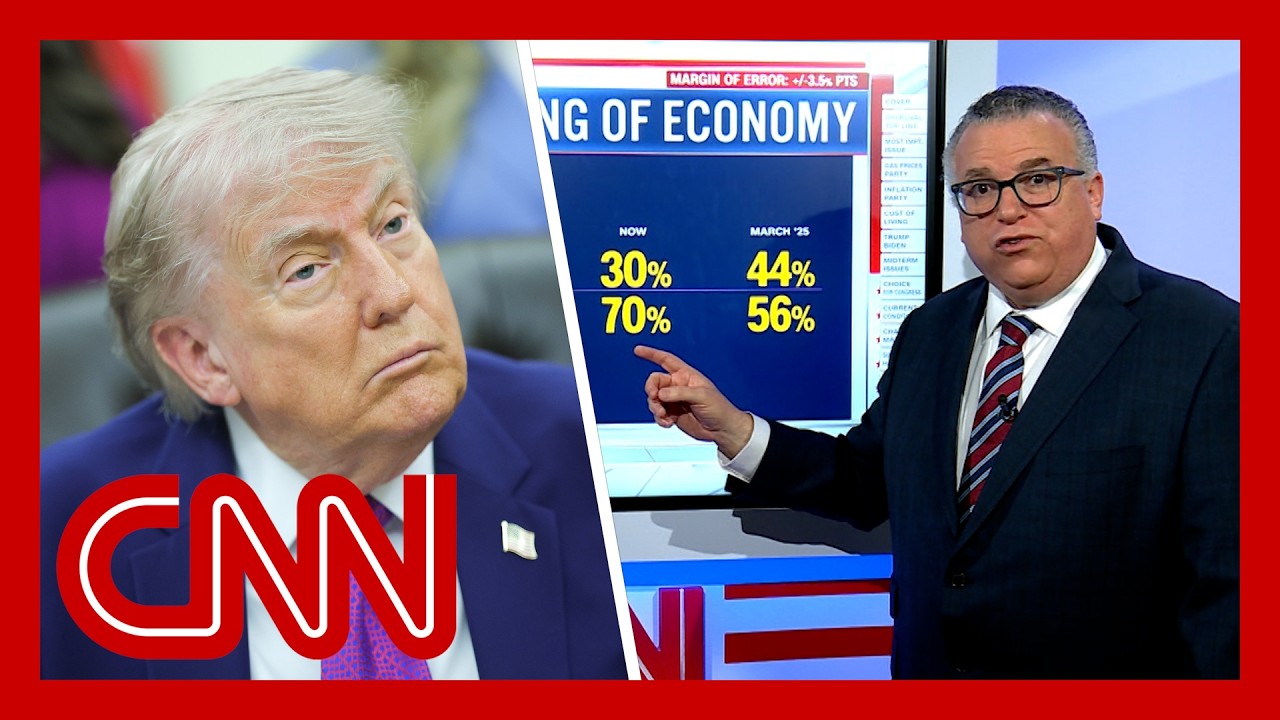
According to the latest survey, a staggering 73% of Americans characterize the current economic landscape as poor. This marks a pivotal moment for Trump, as economic performance was once viewed as his strongest asset. However, his approval rating regarding economic management has reached an all-time low of just 30%. This decline in confidence reflects a broader sentiment of worry among the American populace, especially concerning affordability and cost of living.
The data reveals an alarming reality for many families. Roughly two-thirds of respondents indicated they could not comfortably manage a sudden $1,000 expense, underscoring a pervasive sense of financial vulnerability. The economic anxiety cuts across various demographics, impacting both traditional supporters and undecided voters alike. One Ohio resident, identifying as a Republican, expressed that she and her husband are forced to choose between basic necessities—groceries versus gas. Younger voters echo this sentiment; a Republican in Georgia conveyed the bleak outlook that home ownership seems unattainable for his generation. This discontent may contribute to cracks in the foundation of Trump’s core support.
David Chalian, CNN’s Washington bureau chief, emphasized that affordability is at the forefront of American concerns, surpassing all other issues. While some components of the economy appear robust post-pandemic, Americans are not feeling the beneficial effects. Instead, they confront an enduring economic pessimism that has persisted for years.
Fuel prices emerge as a major concern, with many attributing their feelings of economic insecurity to rising gas costs. Alarmingly, Trump’s approval rating on handling gas prices has dipped below 50%, including a majority disapproval among his Republican base. Similarly, a substantial 40% of Republicans disapprove of his management of inflation. This shift indicates that even Trump’s most ardent supporters are growing disillusioned with his economic policies.
The political landscape is complicated by the facts surrounding gas prices and inflation, profoundly influenced by geopolitical events, particularly tensions in Iran. The inherent volatility in global oil markets suggests that Americans might continue to grapple with high prices for the foreseeable future, amplifying their frustration.
As the midterm elections approach, these economic sentiments are likely to influence voter turnout and decisions. The generic ballot data shows no clear leader, implying a complex political climate where both major parties face challenges despite the troubling economic conditions. Independent voters, a crucial voting block, are expressing dissatisfaction with Trump’s economic handling, which could shift the balance in upcoming elections.
Notably, the current economic climate poses a fundamental question about the viability of the American Dream. Young people voice significant concerns that they may never own homes or have the stable lifestyle their parents enjoyed. This pervasive anxiety about economic stability could reshape political allegiances and priorities, both for candidates and their campaigns.
President Trump once positioned himself as a champion of low prices and economic growth. Yet, he now finds himself grappling with the same issues he campaigned against. The disillusionment within his ranks illustrates a precarious situation for both Trump and the broader Republican Party. Polling shows that a majority of respondents—regardless of income brackets—feel negative about economic conditions, suggesting that dissatisfaction is widespread and deep-rooted.
As the political landscape evolves, both parties must confront economic anxieties head-on. The road ahead will require decisive strategies and impactful policies aimed at restoring confidence among American voters. With many citizens struggling to afford basic expenses, how these issues are addressed could very well dictate the outcomes of the upcoming elections.