The Ongoing Crisis in the Strait of Hormuz: Evacuations and Global Implications
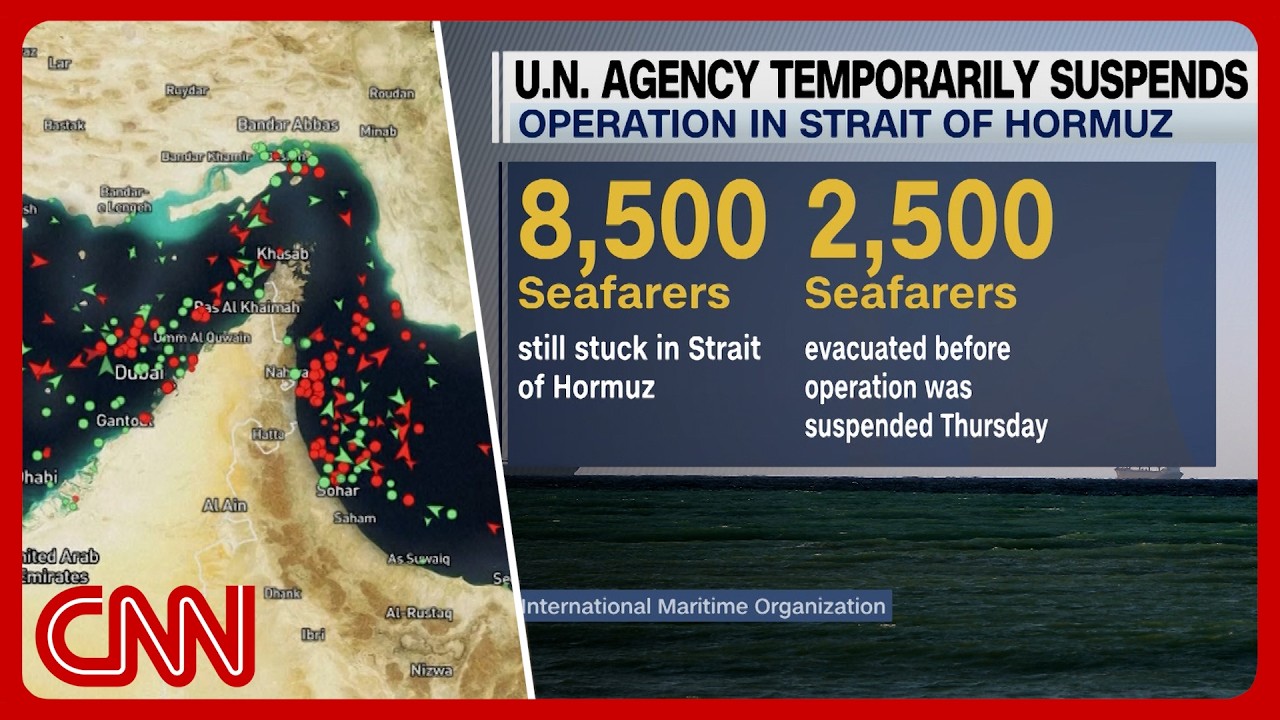
The Strait of Hormuz, a pivotal chokepoint for global trade, particularly oil shipments, is once again making headlines as the evacuation of thousands of seafarers remains temporarily suspended. The International Maritime Organization (IMO), a United Nations agency responsible for maritime safety and security, emphasizes the human cost of geopolitical conflicts: "Seafarers should never become unintended victims of wider geopolitical conflict." This statement underscores the urgency of assisting the nearly 8,500 seafarers still stranded in the region.
Recently, 2,500 seafarers were evacuated before the pause in operations, but the situation remains dire for those left behind. Many of these men have been communicating their experiences, revealing both the physical and psychological burdens they endure. They describe life aboard ship as filled with uncertainty, constant fear about debris—potentially hazardous materials threatening fires and explosions—and the inherent stress of waiting for evacuation.
In interviews, a representative of the IMO highlighted that these seafarers contribute to the global economy, as their work allows approximately 80% of the world’s goods to be transported. This often-overlooked aspect brings a human angle to discussions that focus predominantly on trade impacts and fluctuations in oil prices.
Negotiations involving Iran, Oman, and the United States are currently underway to enable safe evacuations; however, the resumption heavily depends on security guarantees. As safety is paramount, the IMO emphasizes that any renewed operations will require assurances that no vessels will be targeted during the process. Until these assurances are clear, evacuations will remain on hold.
The broader implications of this situation extend beyond the immediate welfare of the seafarers. The Strait of Hormuz is not only crucial for maritime traffic but also serves geopolitical interests. Both commercial and military strategies play into the dynamics at work here. As discussions around de-mining the Strait evolve, varying international perspectives emerge. Iran has pushed back against external involvement in the de-mining process, asserting its capacity to manage the situation solo. This stance complicates cooperative efforts that could enhance safety and restore confidence in maritime operations.
Chokepoints like the Strait of Hormuz have potent economic implications and have become tools of leverage in international relations. Traditionally, a chokepoint is defined as a geographic feature that significantly hinders transport and trade, heavily influencing the economies reliant on those routes. The Strait of Hormuz, which serves as a vital conduit for oil shipments, is one such example. Where one nation holds dominant control over a vital artery of trade, the potential for strategic manipulation becomes a reality.
The complexity increases when considering the geopolitical maneuvers of nations like Iran, which have demonstrated the ability to weaponize their control over this strategic passage. Past approaches have seen countries like the U.S. attempt to assert navigational freedom, but current dynamics showcase Iran’s capability to impose economic sanctions simply by leveraging its geographical advantages. This makes the Strait of Hormuz not just a national concern but a point of international strategic negotiation.
Looking forward, there’s speculation that countries reliant on this corridor might begin investing in alternative routes or pipelines. Development plans like enhancing the Fujairah pipeline have emerged, signaling a proactive response to the risks associated with reliance on the Strait of Hormuz. However, such transformations take time. It is unlikely that the immediate crisis around the Strait will dissipate quickly, with many nations continuing to depend on this critical passageway for years to come.
In conclusion, the plight of the stranded seafarers in the Strait of Hormuz serves as a stark reminder of the human stakes involved in geopolitical tensions. As international dialogue continues, the focus on ensuring their safety and securing viable trade routes remains of paramount importance. The long-term future of the Strait may evolve as nations adjust their strategies, but its significance in global commerce cannot be understated. The coming months will be crucial, as the world watches and waits for resolutions that will ultimately impact economies and lives worldwide.