The Political Storm Over Greenland: Impacts of Trump’s Tariff Threats
President Donald Trump’s recent declaration regarding the imposition of increased trade tariffs on the United Kingdom and several European nations has stirred significant controversy. His announcement, which links these tariffs to the U.S. bid to purchase Greenland—a semi-autonomous territory of Denmark—raises numerous geopolitical questions and challenges the longstanding relationships among NATO allies. Trump’s plan entails a 10% tariff effective from February 1, with potential increases reaching up to 25% should negotiations fail.
The ramifications of this decision are far-reaching. Prominent political figures, including Sir Keir Starmer, the leader of the UK’s Labour Party, have expressed their dismay. Starmer emphasized that wielding threats of tariffs against NATO allies is fundamentally misguided and counterproductive. The European Union is responding with urgency; an emergency meeting has been convened to address this escalating situation.
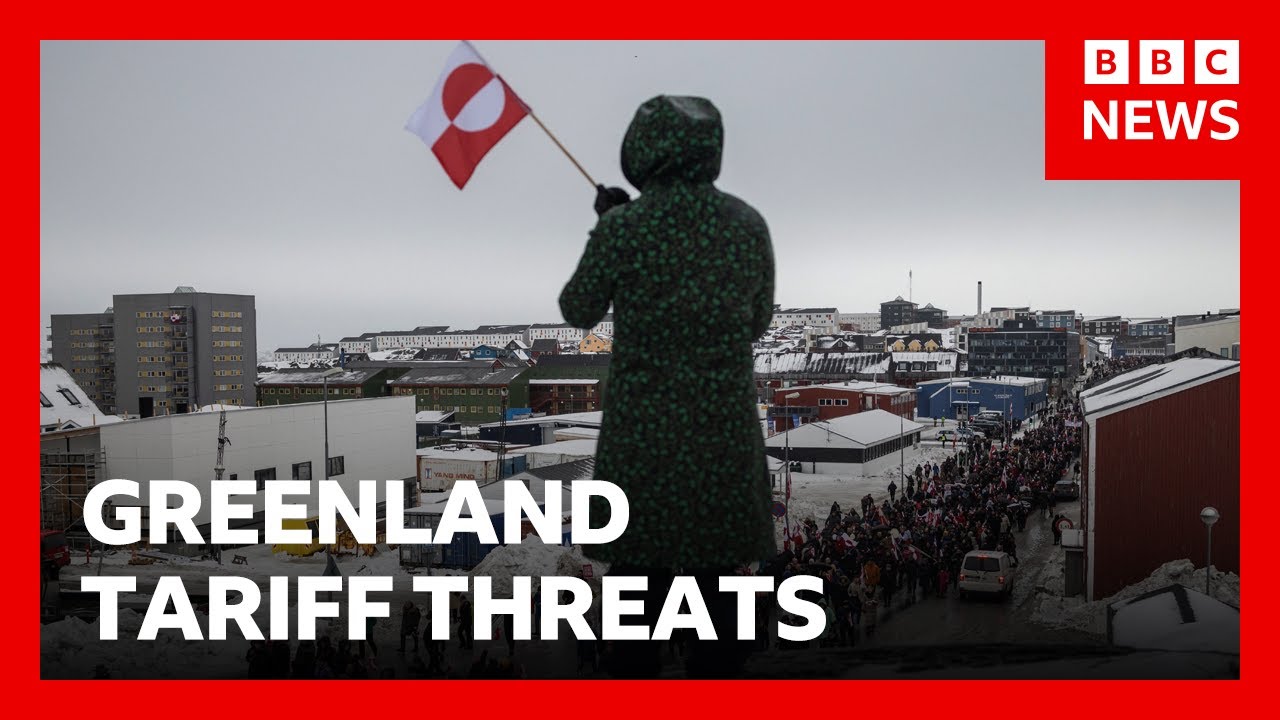
In Greenland itself, the population has voiced its rejection of Trump’s ambitions. With approximately 85% opposing the idea of becoming American territory, the sentiment is clear: Greenlanders wish to maintain their autonomy. Reaffirming their stance, the Greenlandic populace took to the streets in protest. Their unwillingness to become American citizens resonates powerfully in the current global landscape where issues of national sovereignty and territorial integrity are paramount.
Trump’s rationale for coveting Greenland is couched in terms of national security. He believes that the United States is best positioned to protect Greenland from perceived threats posed by China and Russia. However, this position raises eyebrows not only in Greenland but also in Denmark, where leaders argue that the notion of American control over the territory undermines their sovereignty. In a strong rebuttal, Denmark’s leadership emphasized the fundamental principles of international law, asserting that territorial integrity cannot simply be traded for economic negotiations.
Responses from within the U.S. have also been mixed. While many Republican leaders have aligned themselves with Trump, some, like Senator Tom Tillis, critique the proposed tariffs as harmful to American interests and relations with allies. The divergent views within the party highlight a growing concern that such tactics could alienate allies and destabilize international relations built upon decades of cooperation under the NATO framework.
As discussions unfold, British Prime Minister Rishi Sunak finds himself juggling the delicate balance of maintaining a working relationship with Trump while also facing domestic pressure to condemn the tariff threats. Previous attempts to liaise with the U.S. president have sometimes taken longer than anticipated, creating uncertainty about whether and when meaningful conversations will occur.
The impacts of these tariffs on trade relationships cannot be underestimated. Businesses are left in a state of apprehension, unsure of future trade terms and their potential costs. The uncertainty surrounding the tariffs undermines existing trade agreements, which were designed to facilitate smoother exchanges between the U.S. and the EU.
Experts note that the target of Trump’s tariffs is particularly telling. Rather than threatening a blanket tariff on the entire EU, Trump has specifically targeted individual member states. This approach complicates the EU’s collective response and raises questions about enforcement.
The ramifications could extend to ongoing trade negotiations. As Sam Lowe from Flint Global suggests, the looming threat of tariffs may derail the implementation of existing agreements, such as those involving steel tariffs and automotive exports. The precariousness of these negotiations places additional strain on transatlantic relations.
In conclusion, Trump’s tariff threats over Greenland represent more than just an economic gesture; they signal a shift in how the U.S. approaches its alliances and broader geopolitical strategy. As the EU and its member states grapple with the implications of these threats, the world watches closely. The unfolding dynamics will likely reshape international relations in ways that may prove significant for years to come. The challenge now lies in navigating these turbulent waters with diplomacy and adherence to the core tenets of sovereignty and international law.