Gas Price Surge Looming in the GTA: What Consumers and Businesses Need to Know
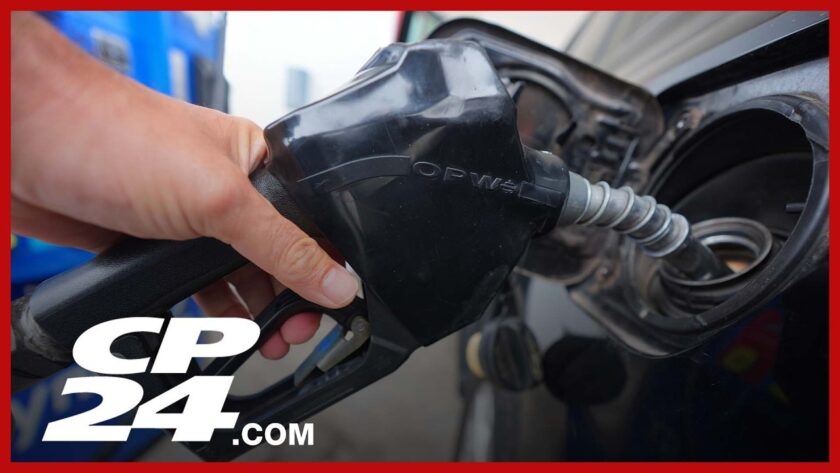
Gas prices across the Greater Toronto Area (GTA) are set to rise significantly tomorrow, echoing a troubling trend exacerbated by ongoing geopolitical tensions. Dan McTeague, president of Canadians for Affordable Energy, provided critical insights into the factors driving this increase, emphasizing the broader implications for both consumers and small businesses.
The anticipated rise in gas prices is expected to be about five cents, bringing the average price from CAD 1.64 to CAD 1.69 per liter. This increase is not isolated to gasoline; diesel is projected to surge by an alarming 13 cents per liter. McTeague indicates that the futures market is currently witnessing a troubling trend of short-selling, with traders attempting to suppress oil prices despite serious geopolitical factors at play. This detachment from reality could provide temporary relief but may ultimately lead consumers to face even harsher economic pressures.
Geopolitical Factors and Market Reactions
The backdrop of rising gas prices is a global oil market facing a substantial supply disruption. A 20% drop in global oil supplies, largely attributed to unrest in the Middle East, translates into immediate repercussions for a range of petroleum products, including gasoline, diesel, and jet fuel. As tensions between significant players like the U.S. and Iran escalate, the unpredictability of oil prices is likely to continue.
While consumers in the GTA might feel the immediate pinch at the pump, the ripple effects of these increases will reverberate through the entire economy. Small business owners, particularly those reliant on shipping and logistics, are bracing for tougher times. With fuel costs directly impacting transportation and logistics, businesses may find it increasingly difficult to manage their operating expenses without passing those costs onto consumers.
Impacts on Small Businesses
Small business owners are particularly vulnerable in this climate. Many have extended their operational budgets to accommodate rising fuel costs, but those who lack pricing power are left to absorb the financial blow. McTeague notes, "For smaller businesses that can’t pass those high prices on, they’re going to have to eat it." This absorption of costs will inevitably lead to downstream consequences, affecting everything from staffing decisions to the overall sustainability of the business.
Moreover, it’s crucial to consider that the economic burden of rising gas prices is not confined to direct fuel users. Consumers might dismiss concerns about diesel, thinking, “I don’t drive,” but the impacts are ubiquitous. Diesel fuel undergirds the transportation of goods—merchants need it to deliver groceries and other essential items. Rising costs on the logistics side will eventually translate into higher prices at retailers, adding another layer to the financial pressure consumers already face.
The Currency Factor
Compounding the issue is the precariously low value of the Canadian dollar against the U.S. dollar. Currently, it takes 1.416 Canadian dollars to purchase one U.S. dollar—a deviation that has not been seen during previous energy crises. McTeague highlights how this valuation essentially amounts to an additional 38 cents per liter in costs for Canadians, exacerbating the pain felt at the pump.
As Canada’s interest in attracting investment dwindles—illustrated by the recent rejection of investment projects from the UAE—the situation becomes even more complex. Without capital influx, Canadian products, priced in U.S. dollars, result in diminished purchasing power for consumers.
Tips for Consumers
With gas prices on the rise, consumers are left wondering how to mitigate the financial impact. McTeague suggests timing as a strategic tool for savings. Filling up in the evening, especially after 6:00 PM when many stations tend to lower their retail margins, could save consumers several cents per liter. For instance, filling up a 50-litre tank at these times could yield savings of up to CAD 6, a small, albeit meaningful relief amid growing expenses.
As we navigate this turbulent economic landscape, it is crucial for both consumers and small businesses to remain vigilant. Awareness of market trends and strategic planning will be essential in weathering the storm of rising fuel costs. The road ahead may be fraught with challenges, but informed decisions can lead to smarter financial management for everyone involved.