Minneapolis: A City in Defiance Amid Immigration Turmoil
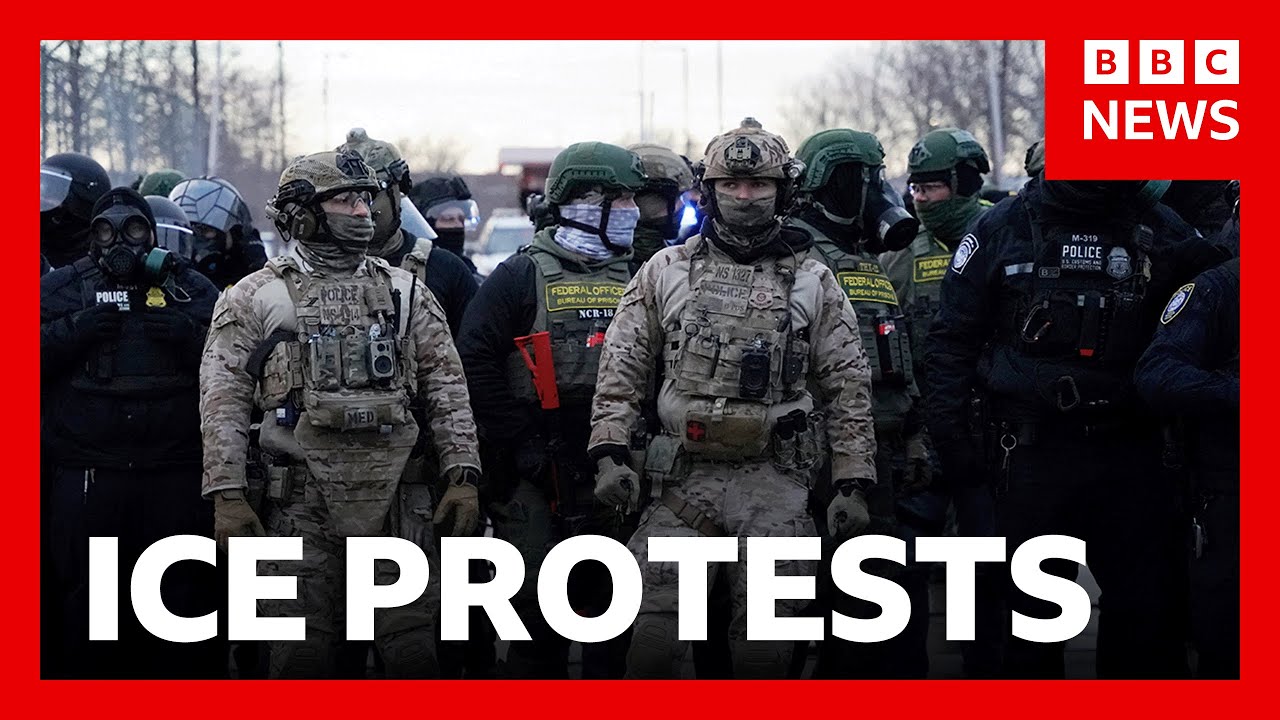
In the heart of Minneapolis, protests are not just sporadic events; they represent a resolute stand against the escalation of federal immigration enforcement. These demonstrations have surged in response to the actions of Immigration and Customs Enforcement (ICE) agents and the tragic death of community member Renee Good, who was fatally shot by an ICE agent more than ten days ago. As tensions mount, Minneapolis finds itself in a precarious position, straddling the line between rights and agency, and the heavy-handed strategies of a Republican-led administration.
The recent protests illustrate a city determined to resist a deportation strategy that many residents believe is unjust and inhumane. On a Saturday rife with emotion, a group of demonstrators successfully chased away a small contingent of far-right activists intending to march through a predominantly immigrant neighborhood. This act of defiance is emblematic of a broader rejection of the Trump administration’s crackdowns on undocumented individuals.
Local residents, such as a demonstrator named Sunshine, have become de facto monitors of ICE activity. “We have the legal right to drive on the streets of our own city and we have the legal right to observe them,” she asserts, highlighting a fundamental principle that she believes is being overlooked by law enforcement and governmental agencies. Sunshine and others in her group use their phones to document the actions of ICE agents, aiming to expose what they see as racial profiling and unjust harassment.
The atmosphere is charged, with stories of narrow escapes from ICE operations becoming more commonplace. Just the other day, a fellow observer shared her harrowing experience of being cornered by agents brandishing rifles. “They had an assault rifle and they were pounding on my window,” she recounted, visibly shaken. Yet, for many residents, such intimidation tactics are not enough to quell their resolve. They understand the importance of shining a light on these encounters, as officials from the Department of Homeland Security remain unresponsive to questions regarding community concerns.
The broader context of these protests cannot be ignored. The administration has defended its deportation strategy as targeting migrants with criminal backgrounds. However, reports suggest that many individuals caught in ICE’s net have no convictions to their names. This has created a chasm of mistrust between the community and federal agencies, one that only seems to widen with each passing day.
Further complicating the situation, tensions are exacerbated by far-right groups that seem emboldened under the current political climate. Over the weekend, an activist, previously pardoned by President Trump for his role in the January 6 riot, attempted to rally support in a Somali neighborhood. The reaction from local residents was swift and decisive: they expelled him. This incident underscores the fragile racial dynamics bubbling to the surface again, just as the city had begun to heal from past wounds.
Moreover, President Trump’s threats to send in federal troops add another layer of complexity to an already fraught situation. Minneapolis, which has witnessed its share of racial strife and civil unrest, now faces the agonizing prospect of an intensified federal presence aimed at quelling dissent. This has left many feeling trapped in a cycle of fear and anger where the very fabric of community life is at stake.
As Minneapolis grapples with these pressing issues, one thing remains clear: the spirit of the city is one of defiance and resilience. The protests, embodying the voices of those who refuse to be silenced, are a testament to the community’s unwavering commitment to justice. Tom Baitman’s coverage captures this battleground where ideals clash fiercely, and the human cost of immigration enforcement comes into sharp relief. The challenge now is to find a path that honors the dignity of all residents while navigating the tumultuous waters of national policy.
Minneapolis stands at a crossroads, and how it responds in the days to come will undoubtedly shape its future.