Tragedy Strikes Karachi: Fire Claims Lives at Popular Shopping Mall
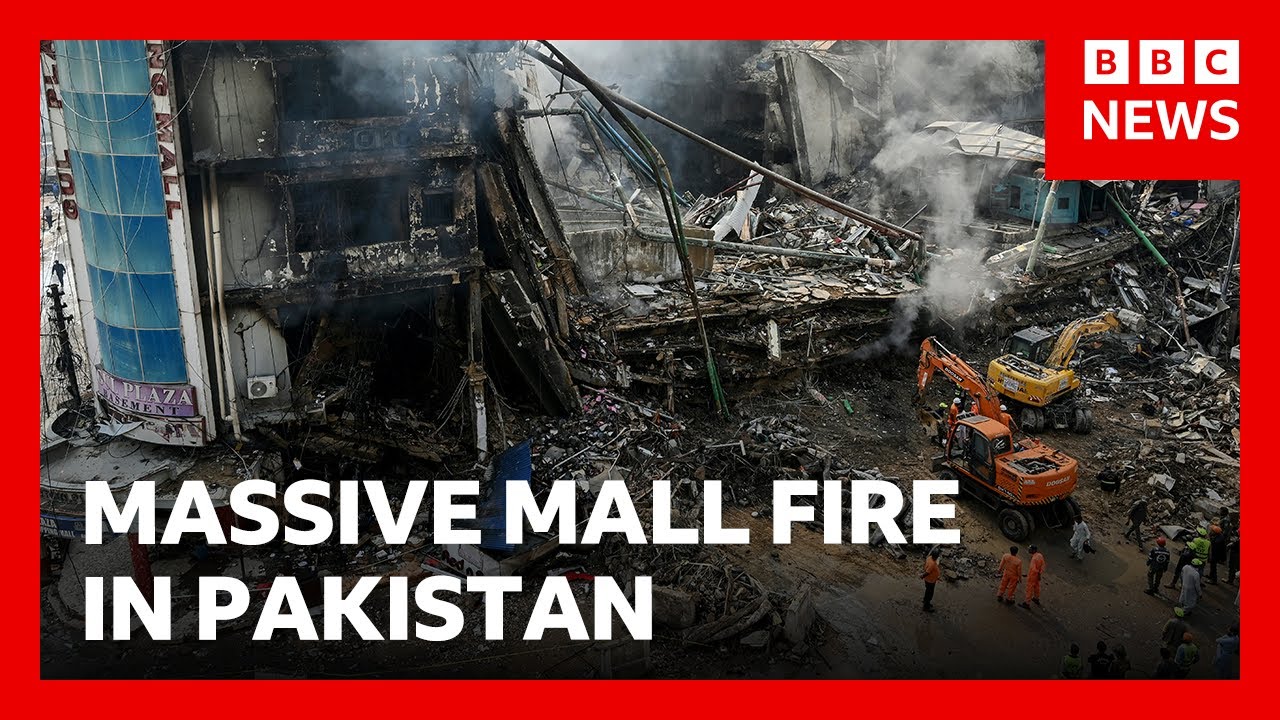
A catastrophic fire at Gul Plaza, one of Karachi’s most frequented shopping centers, has claimed the lives of at least 23 individuals, with the situation still unfolding as search operations continue. In the aftermath of this devastating incident, families of those reported missing gather at the scene, clinging to hope while awaiting news of their loved ones. The blaze, which ignited around 10:30 PM on Saturday, proved to be ferocious, burning for over 24 hours and complicating rescue efforts.
As the situation develops, reports indicate that around 60 individuals remain unaccounted for. Rescue officials have identified approximately 26 missing persons, with their last known locations traced to within the confines of the shopping mall. The emotional toll is palpable; relatives stand in anguish, yearning for information, praying for miracles amidst despair.
Rescue efforts have been hampered by the fire’s intensity and duration. Karachi’s Chief Minister has reported that about 10% of the fire is ongoing, posing significant risks for rescuers attempting to access the site. The structure of the shopping center has also suffered considerable damage, with portions collapsing, leaving uncertainties over whether rescuers themselves could become trapped under the rubble.
Firefighters face unique challenges in fighting this blaze. The presence of flammable materials—such as textiles, cosmetics, and foam—continues to reignite fires, creating a cycle of struggle for those working tirelessly to extinguish the flames. This raises serious questions regarding both the initial firefighting response and the protocols in place at the shopping center.
Criticism concerning the response time of emergency services has surfaced. Eyewitness accounts suggest that the fire service may have faced obstacles in reaching the mall promptly. Questions abound about whether firefighters were adequately equipped to combat such a vast and complex inferno. The Gul Plaza housed over a thousand stores, and with multiple floors—including a basement—the safety measures for evacuation come under scrutiny.
Various voices within the community are calling for an investigation into the circumstances surrounding this tragedy. Questions of fire safety protocols spark concern. Were adequate measures in place to protect both shoppers and employees? Could the design of the building have included better exits to ensure a timely evacuation? These inquiries become increasingly urgent as families faced with loss seek not only closure but accountability.
The emotional landscape amidst this tragedy is marked by despair and uncertainty. Families remain steadfastly hopeful, yet as time passes without news, anxiety compounds. The incident has resonated deeply within the local community, prompting a collective mourning and a demand for transparency regarding the events leading up to the fire.
As authorities manage recovery and identification efforts, the city contemplates the broader implications of such disasters. The need for stricter safety regulations and efficient emergency response is evident; without these, the risk of similar tragedies remains high.
The unfolding events in Karachi serve as a stark reminder of the fragility of life amidst calamity. While the immediate focus remains on finding the missing and identifying victims, the larger conversation about safety, preparedness, and community resilience is only just beginning.
In the face of devastation, Karachi’s citizens are left to grapple with the aftermath, hoping for answers and for justice. As families continue to gather outside the rubble of Gul Plaza, their collective strength in hope and solidarity shines, guiding them through these harrowing moments.