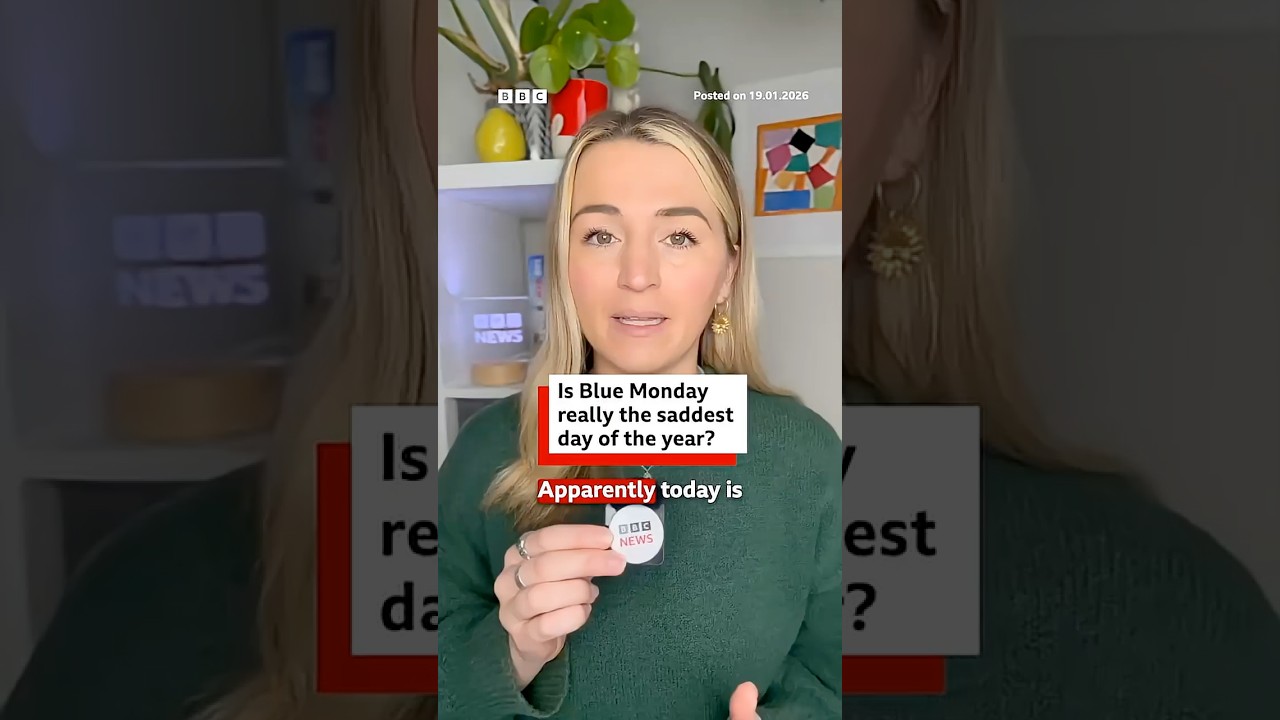
Understanding Blue Monday: An Analysis of Its Origins and Implications
In the depths of winter, a peculiar notion emerges: Blue Monday, heralded as the most depressing day of the year. Officially labeled as such, this phenomenon occurs annually on the third Monday of January. But what underlies this title? Is it scientifically valid, or merely a construct of marketing?
The term "Blue Monday" was first introduced in 2004 when a psychologist developed a formula for this bleak day at the request of a travel company. The intention was clear: to create a narrative that would encourage people to book holidays during a time of year commonly associated with gloom. This formula incorporated various factors, such as the dismal weather, accumulated debts post-holiday season, and the inevitable deterioration of New Year’s resolutions. Each of these elements, alongside low motivational levels, combined to pinpoint this specific day as the most challenging emotionally.
However, this scientific veneer is somewhat misleading. The variables included in the formula are subjective and difficult, if not impossible, to quantify. For instance, how does one measure a nation’s collective motivational levels? Despite its facade of credibility, the formula serves more as a marketing tool than a genuine psychological evaluation of seasonal affective experiences.
The aftermath of this catchy phrase has led to a mixed reception among the public. Some view the designation of Blue Monday as trivializing, particularly in the context of serious mental health conditions like Seasonal Affective Disorder (SAD). SAD affects a significant portion of the population, particularly in regions where winters are long and harsh. By focusing on a single day characterized by a vague notion of "blue" feelings, critics argue that it undermines the experiences of those who truly suffer from these debilitating conditions, suggesting a frivolous approach to serious mental health struggles.
Conversely, there are those who perceive the concept of Blue Monday as a thinly-veiled marketing gimmick. Businesses often seize the opportunity to promote post-holiday sales and travel deals, capitalizing on the public’s perceived unhappiness. This manipulation of emotions for economic gain can come across as callous. Are companies genuinely concerned about mental health, or are they simply looking to boost their bottom line?
Despite the skepticism surrounding Blue Monday, the narrative has been widely accepted in popular culture. Social media platforms light up with posts and memes that echo the sentiment of gloom associated with this day. Articles, blog posts, and discussions abound, and even news outlets frequently cover the topic. This omnipresence serves to reinforce the very idea it critiques, creating a cyclical effect that permeates public consciousness.
At a closer glance, the dialogue surrounding Blue Monday touches on broader themes of mental health awareness. The acknowledgment of January as a particularly challenging month can serve as a catalyst for discussions about emotional well-being. It offers an opening for conversations that may otherwise remain dormant, particularly in a society where mental health issues often carry stigma.
Yet, rather than focusing on a single day designated as the saddest, it may be more beneficial to encourage ongoing conversations about mental health throughout the year. Building support systems, promoting awareness, and fostering community resilience could have a far more positive impact on emotional well-being than a simple label can provide.
In conclusion, while Blue Monday may deliver an interesting narrative about post-holiday blues, its scientific basis is shaky at best. Whether seen as a marketing ploy or a trivialization of mental health issues, it sparks discussions that highlight the importance of mental well-being. This January, rather than succumbing to a single bleak day, let’s encourage an ongoing commitment to understanding and addressing mental health all year round. The focus should shift from a day of sadness to a year-round dedication to well-being and support.