Navigating Geopolitical Turbulence: The UK’s Diplomatic Challenge with the US
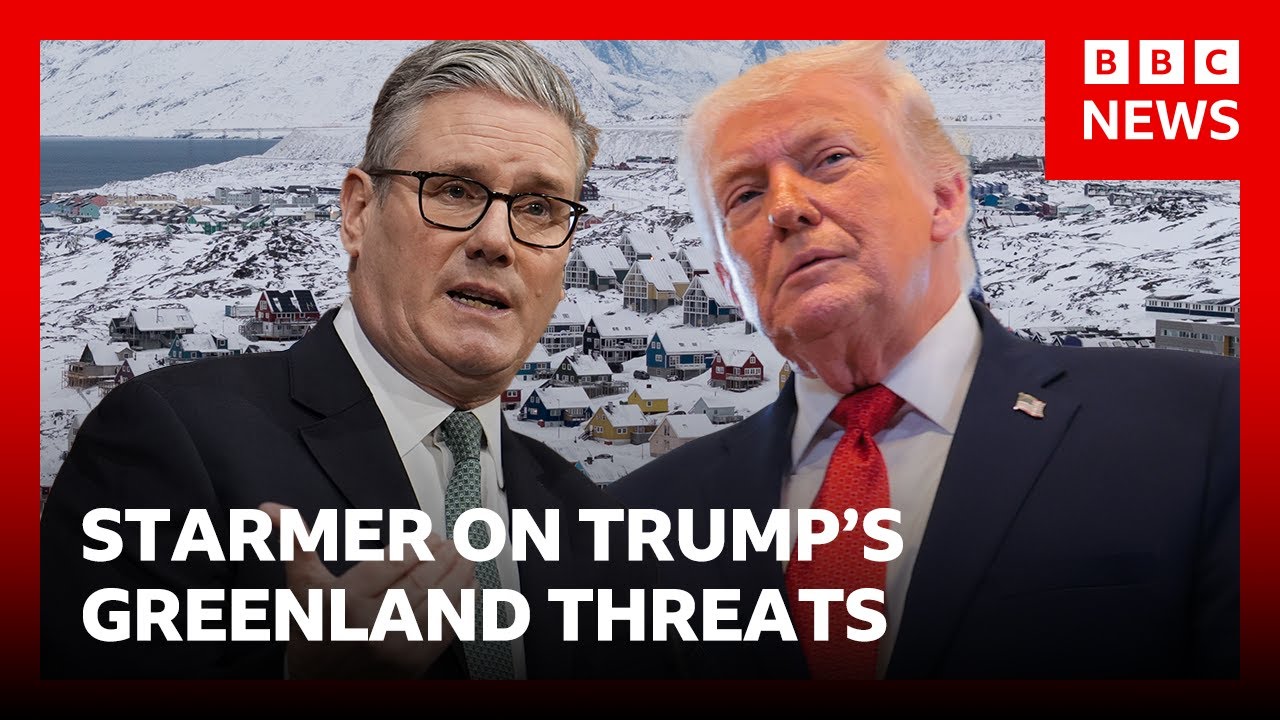
In a rapidly changing political landscape, the United Kingdom faces significant challenges as it seeks to maintain its relationship with the United States. Recent interactions between UK Prime Minister and President Trump have spotlighted the delicate nature of transatlantic diplomacy, particularly in light of ongoing discussions about trade tariffs.
During a recent briefing at Downing Street, the Prime Minister addressed concerns regarding whether reciprocal trade tariffs would be considered by the UK. Political editor Chris Mason, who covered the event, noted that while the answer was not entirely definitive, there was a clear indication from officials that the UK wishes to avoid retaliatory tariffs against the US. This stance could have wider implications, especially if the European Union decides to take a different approach, potentially creating rifts in the traditional alignment of these geopolitical entities.
A significant takeaway from the Prime Minister’s remarks was the gravity of the situation. The UK is navigating complex relationships not only with the US but also within Europe and NATO, a network that has historically been the backbone of Western unity. Mason emphasized the efforts the Prime Minister has invested in establishing a rapport with President Trump—an endeavor that appears more successful than those of many other European leaders.
Yet, as the Prime Minister communicated with European leaders before reaching out to President Trump, it raises questions about the priorities of UK foreign policy. While maintaining a strong relationship with the US is paramount, it is also crucial to acknowledge the interconnectedness of Europe in the current geopolitical climate. The potential for a divergence in trade policies between the UK and the EU could complicate matters further, leading to broader repercussions in Washington.
Mason’s inquiry about the possibility of the Prime Minister attending the World Economic Forum in Davos, where President Trump will be present, highlighted the relative unpredictability of the diplomatic landscape. Currently, the Prime Minister’s attendance is uncertain, but there is recognition within Downing Street that direct, face-to-face engagements may yield more fruitful discussions than those conducted via phone.
Daily communication between UK and US officials underscores the depth of their relationship, covering various realms, including economic and security matters. However, the first major rift since Trump’s inauguration over the issue of tariffs reflects a precarious point in the alliance. The UK’s leadership must find a delicate balance between addressing domestic issues—like the cost of living—while simultaneously engaging in the high-stakes arena of international diplomacy.
Mason pointed out that the Prime Minister’s focus on domestic issues is overshadowed by the pressing need to respond to international dynamics. For example, his recent erased agenda item about the cost of living reflects the challenges of addressing what many citizens consider their most pressing concerns. Instead, political discourse remains dominated by Trump’s actions and the ramifications they pose for the UK.
While trade tariffs pose a potential burden, the political landscape within the UK appears to be fostering a rare moment of unity across party lines. Political leaders, including those from the Conservative Party and opposition figures, are vocal in their opposition to tariffs. This collective stance illustrates an understanding of the broader implications for the country’s economy and international relationships.
Yet, the geopolitical questions are far from resolved. As international scrutiny intensifies, the fissures in Western alliances become more apparent, particularly in relations with nations such as Russia and China. The potential weakening of these alliances raises critical questions about collective security and economic stability in an era marked by uncertainty.
The complexity of the UK-US relationship continues to unfold, revealing the intricacies of modern diplomacy. As the UK grapples with both domestic and international priorities, the evolving dynamics with the US will demand strategic navigation. The ability to balance these competing interests will ultimately shape not only the future of UK trade relationships but also its position within the global order.