Prince Harry’s High Court Case: A Landmark Privacy Trial
Prince Harry has stepped into the High Court in London to launch a significant legal battle against Associated Newspapers Limited (ANL), the publisher known for the Daily Mail. He’s one of seven high-profile claimants, including celebrities and public figures, alleging serious breaches of privacy against the media giant. The allegations involve unlawful practices that range from phone tapping to employing private investigators, purportedly to gather sensitive information without consent.
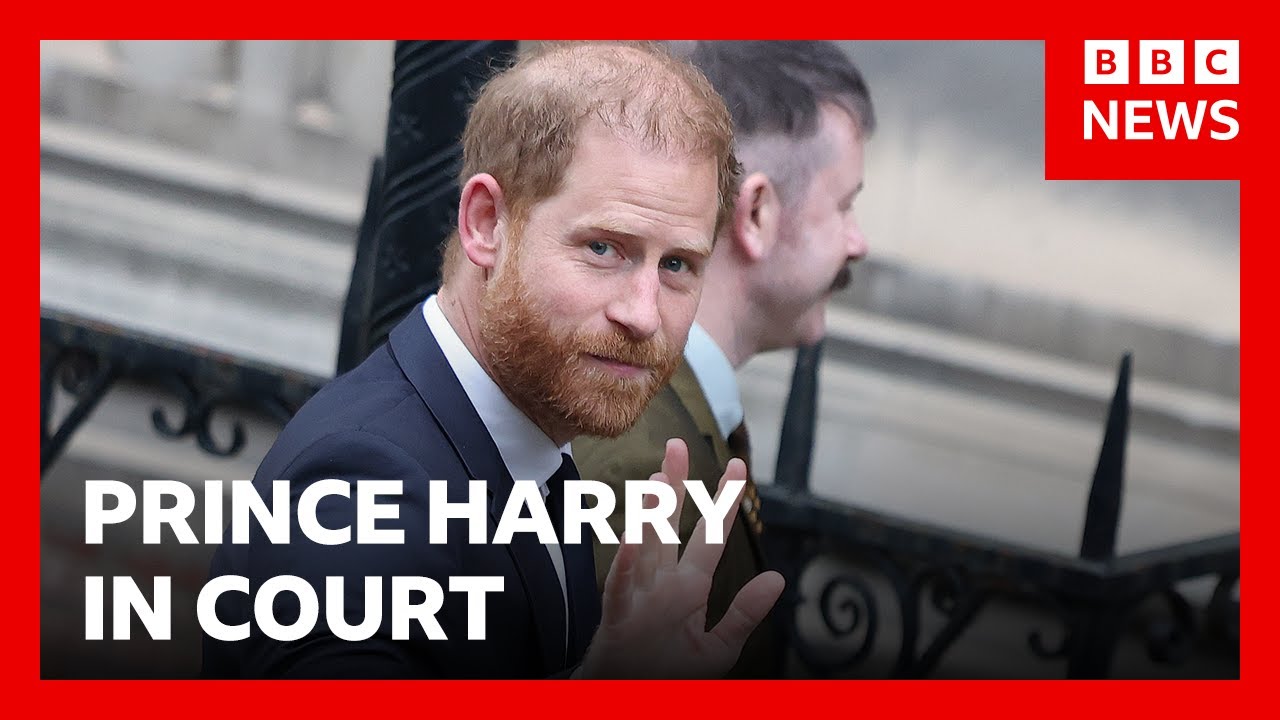
This case unfolds in a climate of growing scrutiny over media practices and the impact of invasive journalism on public figures. Prince Harry’s arrival at the court was discreet, entering through a side gate while photographers clamored for a shot. These visuals contrast sharply with the weight of the accusations being presented today.
Among the claimants are notable figures such as Baroness Doreen Lawrence, whose son was murdered, and actress Elizabeth Hurley. While some claimants were present during the initial stages of the trial, others, like Sir Elton John and David Furnish, were noticeably absent. The sheer diversity of individuals involved underscores the broader implications of this case, which reverberate beyond personal grievances, reaching into the ethics of media practices as a whole.
The crux of the allegations lies in a series of unlawful activities. The claimants argue that ANL engaged in systematic breaches of privacy, conducting illicit information-gathering techniques over several years. Specific practices cited include phone hacking—intercepting voicemail messages—and live phone tapping, both of which have implications far beyond the individuals affected.
Furthermore, the claimants assert that ANL engaged in so-called "blagging," a term used to describe obtaining personal data without consent, often by deceit. This could range from accessing private financial records to medical records, and the severity of these practices raises substantial ethical questions regarding journalistic integrity and accountability.
The timeline of the events has been a focal point of contention in this case. Historically, privacy cases must be brought within six years of the alleged offense. However, the claimants argue that they were unaware of the unlawful activities at the time. This is crucial in establishing their right to pursue this case, and it highlights the challenges individuals face in confronting powerful media entities that may have acted against them.
ANL has firmly rejected the allegations, labeling them as "preposterous" and a "lurid" affront to responsible journalism. Their defense emphasizes the importance of press freedom and contends that the claims undermine the reputation of journalists who adhere to ethical standards. The publisher’s assertion aims to underscore a perceived tension between individual rights to privacy and the public’s right to know.
The trial is expected to unfold over nine weeks, commencing with opening statements from both sides. The claimants’ legal team will present evidence and arguments throughout the initial weeks, aiming to establish a pattern of misconduct. The process promises to provide a detailed examination of the techniques used to gather information—an aspect that will undoubtedly draw public attention.
As scrutiny over media practices intensifies, this case presents an opportunity for a broader discussion about privacy rights in the digital age. The implications of the trial may resonate beyond the courtroom, offering a significant precedent for how media companies operate in the future.
One thing is certain: the next nine weeks are set to capture the public’s imagination, as this landmark trial unfolds against the backdrop of ongoing debates about the ethics of journalism. As more details emerge from the High Court, both the claimants and ANL will be compelled to navigate the complexities of their respective positions, as well as the broader societal implications of this extraordinary case.