Navigating Turbulent Waters: Prime Minister Sir Keir Starmer Addresses Tariff Tensions with the United States
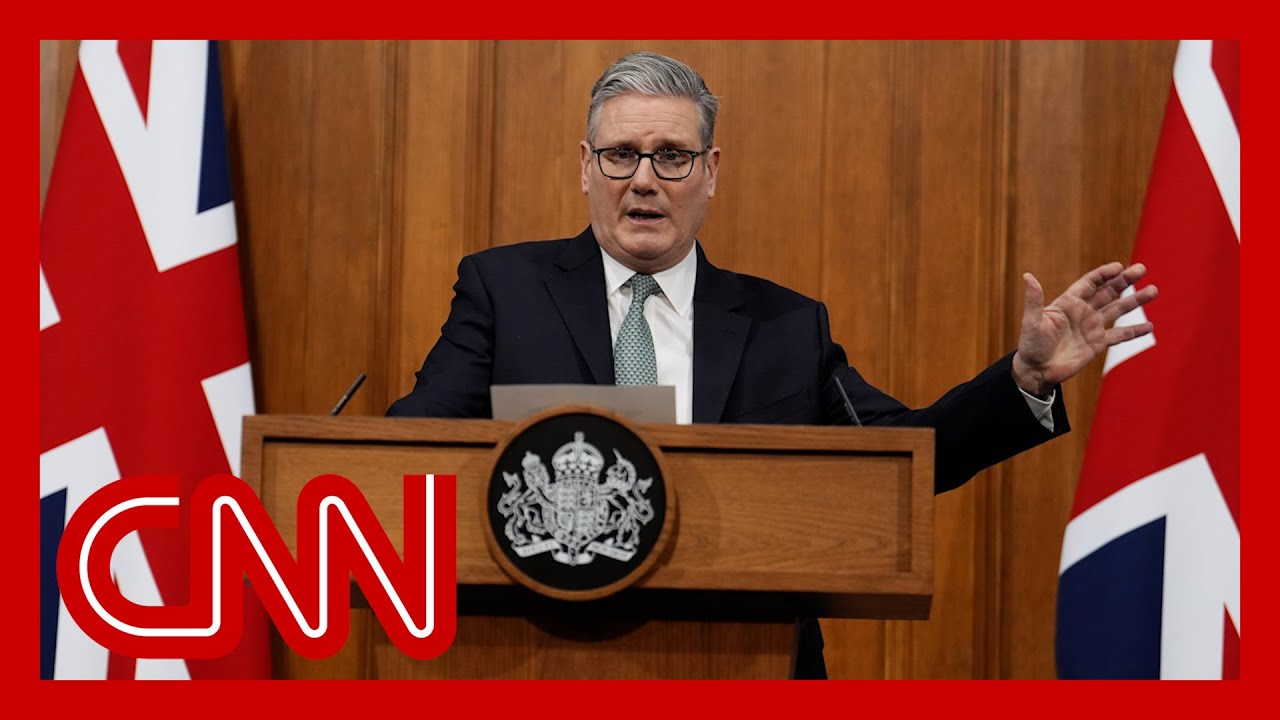
In a recent news conference from Downing Street, British Prime Minister Sir Keir Starmer offered measured insight into the ongoing economic and diplomatic tensions between the UK and the United States, particularly in light of President Trump’s recent threats of tariffs targeting Britain and other NATO allies. Starmer’s address highlighted the depth and importance of the transatlantic alliance while simultaneously offering a critique of dollar diplomacy.
Starmer underscored the historical significance of the UK-US relationship, describing it as an essential framework for both security and economic stability. "The UK and the US are close allies and close partners," he stated, emphasising that this relationship is vital to the prosperity of citizens on both sides of the Atlantic. He reaffirmed the UK’s commitment to maintaining this bond, which has been bolstered by considerable American investment into the British economy—amounting to hundreds of billions of pounds—and invaluable cooperation in defence and intelligence.
However, the Prime Minister’s remarks also touched upon the pressing need for honesty and respect within alliances. “Mature alliances are not about pretending differences don’t exist,” he noted. Instead, they are characterised by direct and respectful dialogue, an approach that Starmer believed should guide discussions, particularly regarding sensitive topics like Greenland—a territory that has become a focal point in the current geopolitical landscape.
Starmer firmly asserted that any decisions concerning Greenland should rest solely with its people and the Kingdom of Denmark, reaffirming the importance of sovereignty in international affairs. He indicated that economic pressure, such as tariffs imposed on allies, is counterproductive and undermines the very principles that alliances should be built upon. His stance presents a stark reminder that the fabric of international cooperation is woven with threads of mutual respect and partnership rather than coercion.
As tensions escalate, European leaders and notably Starmer find themselves navigating a fragile diplomatic landscape. While the UK has expressed reluctance to resort to retaliatory tariffs, the broader European context reveals divisions within the EU regarding an appropriate response to Trump’s threats. Senior director of the Atlantic Council’s Geoeconomic Centre, Josh Lipski, elaborated on this precarious situation from the World Economic Forum in Davos, noting the complexity of the ongoing transatlantic crisis.
The dialogue around tariffs serves as a stark reminder of the volatility that characterises contemporary international relations. Underlying this is the question of whether Trump’s threats signal the commencement of serious negotiation or merely a continuation of populist posturing. Starmer’s willingness to engage with Trump appeared sincere, yet the nature of the current disputes poses significant challenges to creating a path forward.
Lipski further highlighted the uncertainty within the US administration, particularly as the Supreme Court nears a decision on the legality of the President’s tariff strategies. Should the court rule against the President, it could fundamentally alter America’s leverage in these discussions, leaving Europe with few options but to unify and respond decisively to the escalating tensions.
Starmer’s performance in the press conference has led some to speculate whether he could act as a mediator capable of bridging the divide between the US and Europe. He carefully positioned himself as a potential broker, yet his approach raised questions regarding the clarity of his proposed solutions. The importance of dialogue and engagement cannot be overstated; however, it also necessitates a desire for resolution from all parties involved.
In conclusion, as Sir Keir Starmer prepares to face the multifaceted challenges of international diplomacy, his recent statements reflect both a commitment to strong alliances and a principled stance against economic coercion. The road ahead remains uncertain, yet the Prime Minister’s emphasis on respect, clarity, and partnership offers a glimmer of hope for constructive dialogue amidst a landscape rife with tension. As the world watches, Britain’s role in navigating these turbulent waters will depend on a delicate balance of pragmatism and principle.