A Deteriorating Transatlantic Relationship: The Greenland Controversy
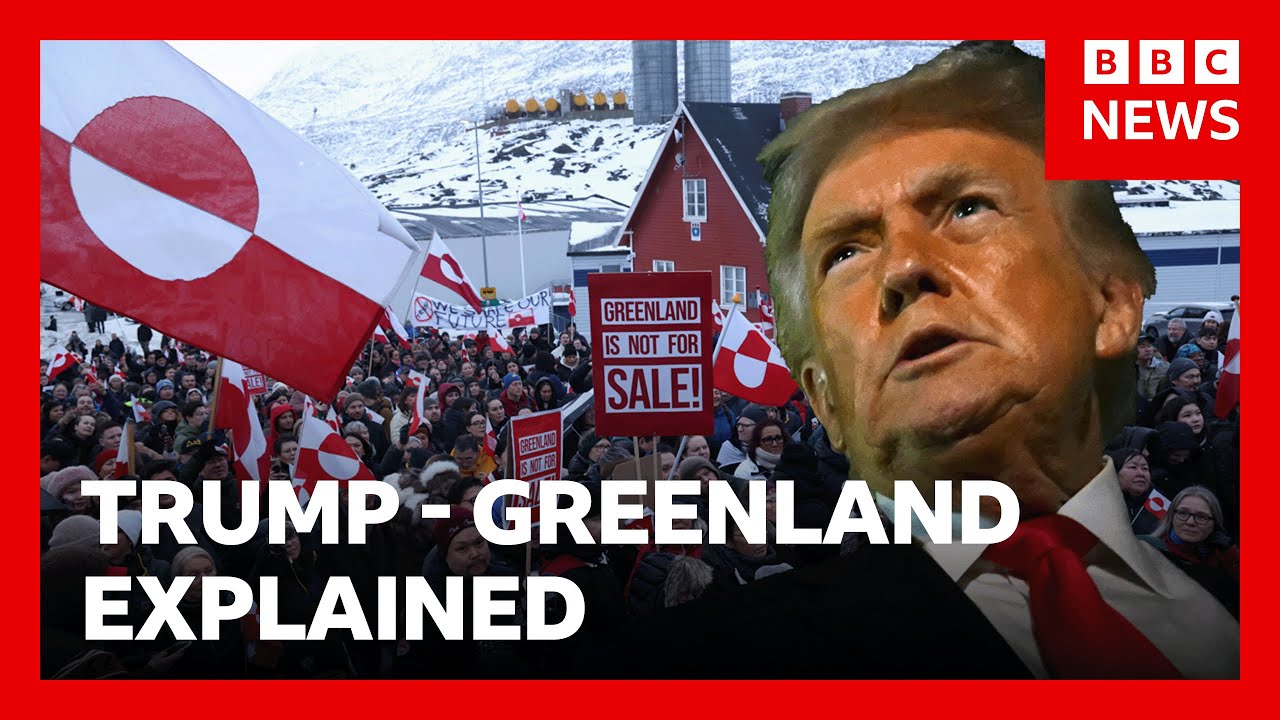
In the complex web of international relations, few events have the potential to unravel the fabric of alliances like the recent controversy surrounding Greenland. President Donald Trump’s assertion that the United States must secure control of Greenland as a matter of "national and world security" has sparked intense discussions among European leaders and raised questions about the stability of transatlantic ties.
The intricacies of this situation are worth unpacking. Just weeks ago, the Greenland discourse seemed almost forgotten, overshadowed by other geopolitical issues. However, a series of provocative statements and actions from the Trump administration have thrust it back into the limelight. Most notably, during a military operation in Venezuela, Trump mentioned Greenland alongside plans for geopolitical maneuvers against other nations, suggesting a recalibrated approach towards how the U.S. perceives its security interests.
Trump’s argument is clear but contentious: Greenland is vital to the United States’ strategic defenses against perceived threats from Russia and China. He envisions a "Golden Dome," akin to Israel’s Iron Dome, to bolster North American security, positioning Greenland as a crucial component of this military architecture. Yet, this claim raises broader questions about U.S. imperialistic ambitions and the nature of contemporary alliances.
The situation escalated significantly when the European Union dispatched troops to Greenland as part of a broader security mission. Intended as a reassurance to the U.S. that they could fortify the region against external threats, this move was misinterpreted by Trump as a direct challenge to America rather than a cooperative defense strategy. He accused European countries of inability to protect their territory against foreign threats. This miscommunication underscores the fragility of trust in alliances, particularly when nations misread each other’s intentions.
European leaders, facing a delicate balancing act, are struggling to articulate a unified response. A recent meeting of the so-called "Washington Group"—comprised of key European leaders—illustrates this fragmented approach. Some, like French President Emmanuel Macron, advocate for a strong retaliatory stance through "trade bazookas" or tariffs designed to pressure the U.S. Meanwhile, others like Italian Prime Minister Giorgia Meloni adopt a softer strategy, maintaining relations with Trump while seeking a diplomatic resolution.
However, appeasing a president who dictates the terms of negotiation from a position of perceived strength complicates diplomatic efforts. Trump’s recent comments on tariffs suggest a looming economic conflict that could yield disastrous consequences for both sides. The potential for a trade war looms large, raising doubts about whether Europe can cohesively respond to U.S. provocations without undermining its own economic interests.
In the backdrop of this controversy, the resilience of the transatlantic alliance is being tested like never before. European nations have enjoyed the strategic security provided by the U.S. for decades, yet complacency may have eroded their defense capabilities. As European leaders strive to boost military readiness, this instance highlights a worrying trend: an increasing divergence in the priorities of the U.S. and Europe.
The possibility of an economic rift could alienate European nations, forcing them to reconsider their long-standing alliance with the United States. While an immediate pivot to China seems implausible, a neutral stance in the geopolitical rivalry between Washington and Beijing is not beyond consideration. Such a development could fundamentally alter the balance of power on the global stage.
Ultimately, the Greenland predicament exemplifies a critical juncture in international relations. As the thread of trust between allies diminishes, the age-old principle of diplomacy finds itself at a crossroads. The world is watching closely as these developments unfold, anxious about the implications for security and stability in an increasingly multipolar world. The resolution of this issue may very well set the tone for future transatlantic relations and international diplomacy as a whole. In the intricate dance of geopolitics, the stakes have never been higher.