The Growing Concerns Over U.S. Policies at Davos
As world leaders gather for the World Economic Forum in Davos, Switzerland, the atmosphere is charged with uncertainty. President Trump’s imminent arrival has set the stage for what many believe could be a pivotal moment in international relations. His recent, provocative statements about acquiring Greenland have left European allies both perplexed and anxious, prompting discussions about the future of collaboration in a rapidly shifting global landscape.
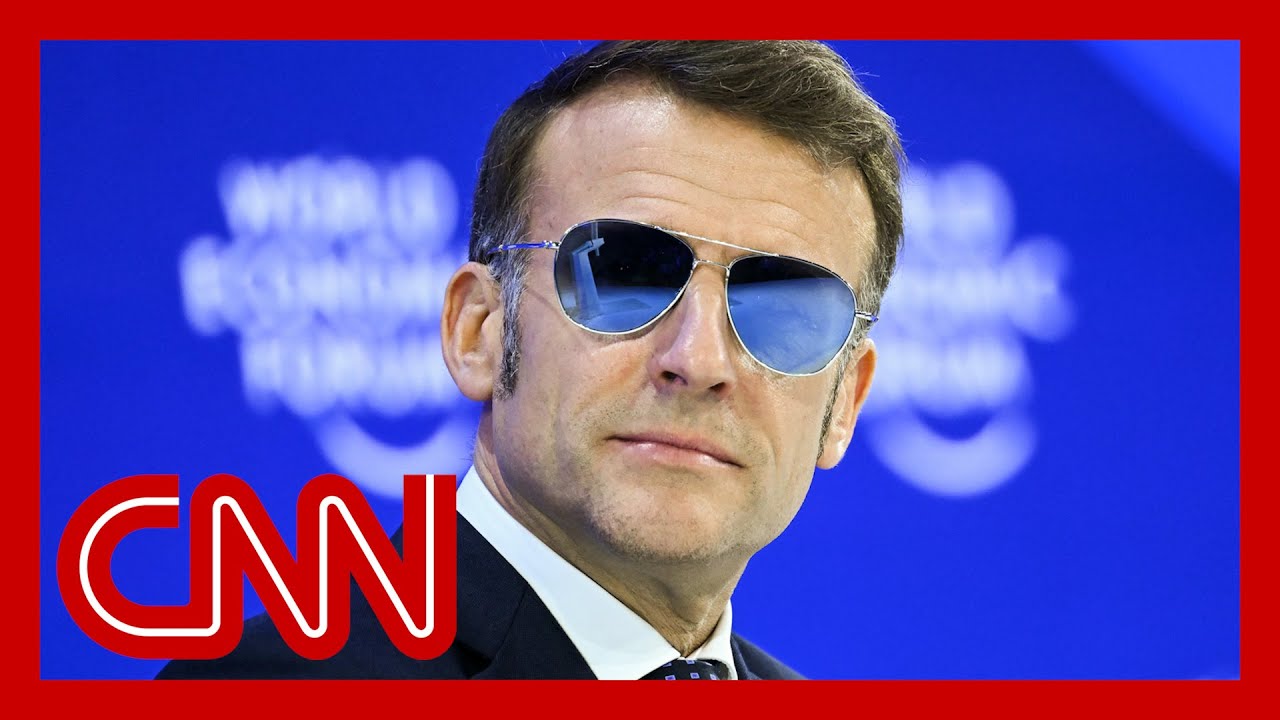
The escalation of U.S. tariffs has been a focal point of anxiety. During a key address, French President Emmanuel Macron emphasized the dangers of a world devoid of collective governance. He warned that trade agreements, which he described as tactics to weaken European interests, are leading to unprecedented competition among nations. Such remarks signal a growing discontent with what some perceive as imperial ambitions from the U.S., a sentiment that resonates deeply among European leaders.
In a striking moment, President Trump shared a private message from Macron that questioned the rationale behind the Greenland issue. “I do not understand what you are doing on Greenland,” Macron stated candidly. This exchange highlights a broader concern among European leaders about the implications of American foreign policy, particularly when it seemingly prioritizes territorial acquisitions over international norms.
The dialogue has taken a turn toward urgency. Macron’s invitation to an emergency G7 summit reflects the anxiety gripping European officials who seek to comprehend Trump’s ambitions. With every tweet, Trump adds layers of complexity to the geopolitical sphere, and European leaders find themselves in a precarious position, attempting to navigate a U.S. administration that appears increasingly unilateral.
Ambassador Kurt Volker, a former U.S. envoy to NATO, shed light on the gravity of ditching the rules-based order that has long been a cornerstone of transatlantic relations. He echoed Macron’s concerns by stating that the normalization of conflict and the potential disregard for international law paint a troubling picture for the future. In this evolving narrative, the potential for cooperation seems overshadowed by a quest for dominance, leaving many to question the stability of long-standing alliances.
The stakes are high. Danish Foreign Minister Lars Løkke Rasmussen’s firm statement that "there are red lines which can’t be crossed" serves as a stark reminder of the sensitivities involved. These red lines are not just about territorial integrity; they underscore the fundamental trust that has been cultivated over decades between the U.S. and its allies. A unilateral move toward claiming land—especially from a NATO ally—would mark a significant departure from the principles that have, until now, governed international relations.
Despite the contentious dialogue surrounding Greenland, some semblance of hope lingers. Discussions between U.S. officials and their Danish counterparts might pave the way for a diplomatic resolution. A high-level working group has been established to address military and economic requirements, offering a potential “soft landing.” The emphasis seems to shift from outright ownership to collaborative approaches that satisfy security needs while respecting Danish sovereignty.
Indeed, House Speaker Mike Johnson voiced a need for calm, stressing the importance of moving beyond the rift created by Trump’s statements. The bipartisan call for maintaining strong U.S.-European ties reflects a recognition that retaliatory measures could have dire consequences for both sides. The prospect of tariffs looms large, threatening to fracture the already delicate alliances and reignite trade wars that could reverberate through global markets.
In summary, the unfolding drama in Davos encapsulates a critical moment in U.S.-Europe relations. The world watches closely as President Trump attempts to solidify his position, while European leaders scramble to safeguard a cooperative future. The need for dialogue and mutual understanding has never been more pressing, as the outcomes of these discussions may well determine the trajectory of international prosperity and stability in the years to come. As tensions rise, the call for collective governance remains a pivotal focus, reminding all stakeholders that collaboration is far more beneficial than competition on the world stage.