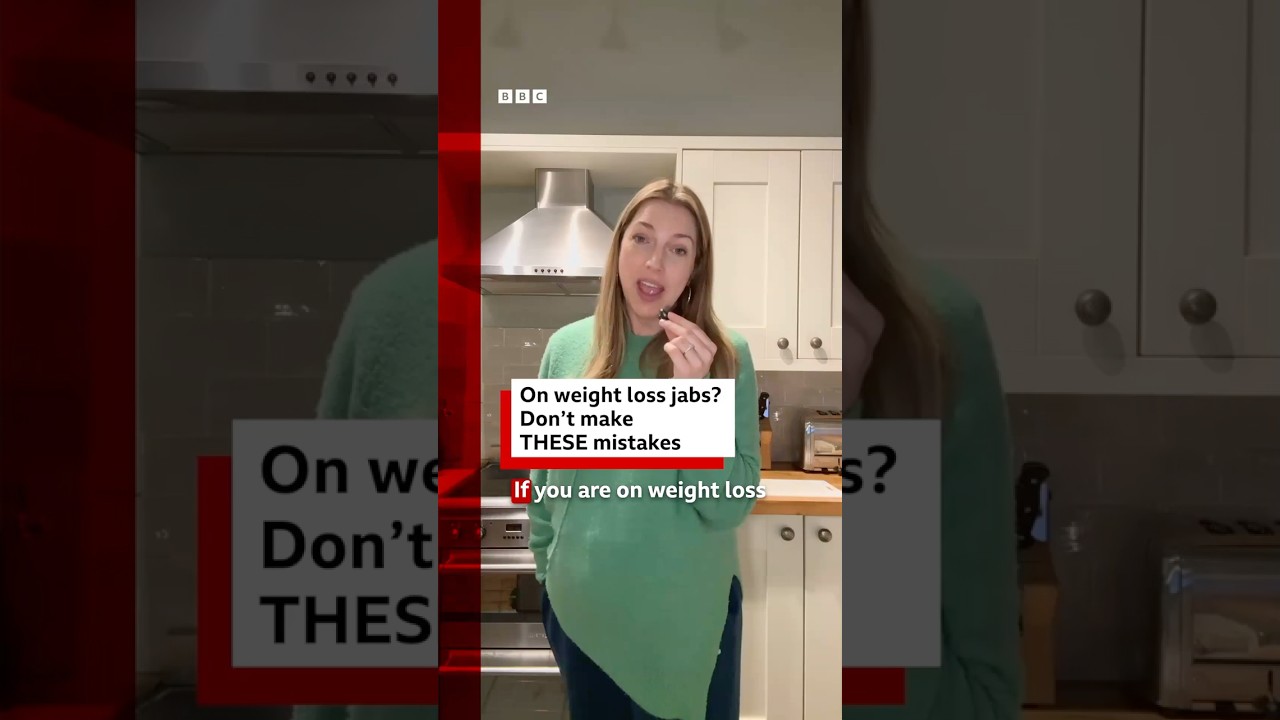
Navigating Weight Loss Injections: Essential Insights from Dietitians
As the popularity of weight loss injections continues to rise, particularly among those seeking rapid results, it’s imperative to approach their use with caution and informed strategy. Dietitians emphasize that while these injections can be effective appetite suppressants, they are not a cure-all solution. A deeper understanding of how to incorporate them into a balanced lifestyle is essential for achieving sustainable weight loss without sacrificing nutritional health.
One of the challenges that many users face is the tendency to drastically reduce their food intake. On certain days, individuals may stop eating altogether, driven by the appetite-suppressing effects of the medication. However, this approach is fraught with risks. Abruptly cutting out essential nutrients can lead to deficiencies that not only hinder overall health but can also result in the loss of muscle mass. To avoid this pitfall, dietitians recommend planning smaller, nutrient-dense meals that promote well-being while still allowing for effective weight management.
Moreover, it is crucial to bear in mind that weight loss injections should complement, not replace, a holistic approach to health. These medications are most effective when combined with regular physical activity. Exercise plays a dual role: it bolsters muscle mass while simultaneously enhancing overall physical and mental health. Incorporating even moderate physical activity into your daily routine can yield significant benefits, fostering a sense of accomplishment and encouraging adherence to weight loss goals.
As users think about the long-term implications of weight loss injections, it’s essential to craft an exit strategy. Staying on the medication for extended periods can be financially burdensome; individuals may find themselves at a crossroads when it comes time to transition off the injections. The National Health Service (NHS) provides general guidelines indicating a maximum duration of two years for weight loss medications. However, there is little research on the long-term effects of prolonged use, further complicating the decision to continue or cease treatment.
Many individuals choose to taper their dose gradually before stopping, but this process should ideally be guided by a healthcare professional. This is particularly important because individuals may experience various withdrawal symptoms or weight regain once they discontinue the medication. Medical advice is paramount in crafting a tailored action plan that accounts for individual health needs, ensuring a smooth transition away from dependency on injections.
Support is another essential component of successful weight management. The UK’s medicine’s watchdog strongly recommends that patients receive a minimum of one year of structured support following the cessation of treatment. This long-term assistance can be crucial for maintaining weight loss and reinforcing healthy habits. However, a significant challenge arises for those acquiring the injections privately, as ongoing support is not always guaranteed. Users should seek out resources, forums, or professional consultations that offer guidance during this critical phase.
In addition to nutritional planning and support, cultivating a positive mindset is pivotal for anyone navigating weight loss through injections. Psychological well-being plays a significant role in the weight loss journey. Tackling emotional eating or dissatisfaction with one’s body can be just as important as the physical aspects of losing weight. Seeking counseling or joining support groups can offer individuals motivation and accountability to stick to their goals.
In conclusion, while weight loss injections can indeed assist many in managing their weight, they should be viewed as one piece of the larger puzzle of health and wellness. Striking a balance between medication, nutrition, physical activity, and emotional health is essential for long-term success. As always, consulting with healthcare providers ensures that both the benefits and potential challenges of such a treatment plan are comprehensively addressed. The journey to healthier living may be complex, but with the right strategies in place, it is undeniably achievable.