Analysis of Trump’s Greenland Dilemma: A Shift in Strategy and Its Ramifications
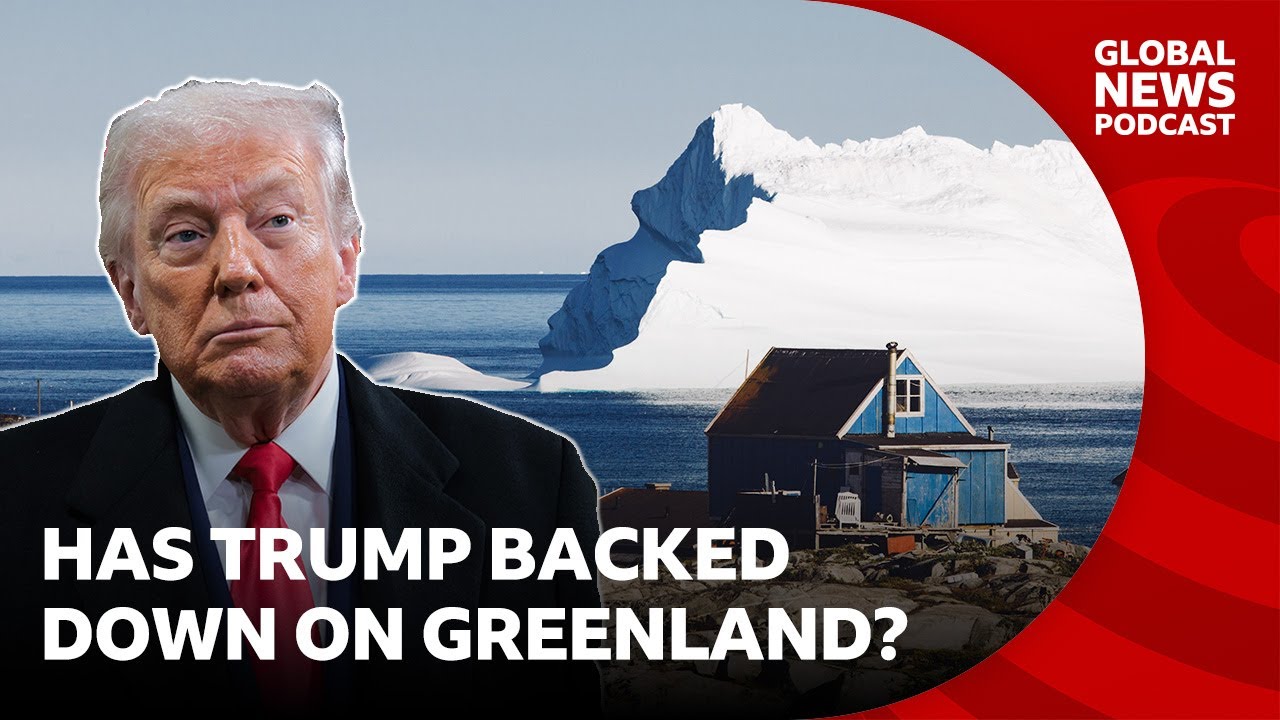
In a dramatic turn of events, former President Donald Trump has retreated from his earlier aggressive stance regarding Greenland, dispelling threats of both military intervention and tariffs against European countries backing the island’s sovereignty. This unexpected pivot raises questions not only about Trump’s motivations but also about the broader implications for U.S.-European relations.
Initially, Trump’s intentions seemed resolute. His administration’s discussions around Greenland stirred controversy and alarm, especially in Europe. The concept of a military takeover of an autonomous territory added an unsettling layer to transatlantic relations, prompting reactions from leaders who felt threatened by such rhetoric. However, just as swiftly as the threats surfaced, Trump withdrew them, claiming to have achieved an unquantified "win" through a framework agreement with NATO.
Our Europe correspondent, Nick Beak, notes the perplexing nature of Trump’s quick reversal. While he asserts that everyone is satisfied with the outcomes, specifics regarding this purported agreement remain elusive. Previous statements from Trump are rife with promises of "fantastic deals"—many of which have failed to materialize. Thus, skepticism lingers over whether this latest claim holds any substantive weight.
Critically, the framework agreement Trump references appears to focus on bolstering NATO’s presence in the Arctic and countering potential threats from Russia and China. However, the ambiguity surrounding the agreement raises concerns. European leaders, while relieved at the withdrawal of immediate threats, are cautious about what the future might bring.
Indeed, the recent tension has exposed fissures within the transatlantic alliance—fissures that may not heal easily. As Beak points out, messages from European officials have shifted in tone, reflecting a growing wariness towards U.S. intentions. The European Union seems to recognize a need for solidarity in the face of Trump’s unpredictable policies. This sentiment resonates with their past experiences during the trade disputes, where a united front helped them navigate Trump’s tariffs effectively.
The ordeal also sheds light on the lessons Europe can draw from this situation. In presenting a cohesive stance against Trump’s threats, European nations learned that a joint response often yields better results. Their experience with China serves as a case in point; a unified pushback against proposed tariffs ultimately led to a reconsideration from Trump.
Despite the withdrawal of his threats, Trump’s rhetoric during the recent Davos speech has raised eyebrows. His derogatory comments about NATO and European nations indicate a continuing disdain that could undermine long-term alliances. More distressingly, the blurring of Greenland and Iceland in his speeches showcased a lack of nuanced understanding of geopolitical concerns—a factor that could further alienate international partners.
As discussions surface regarding the potential decline of the liberal democratic order established post-World War II, European leaders are responding with cautious pragmatism. Ursula von der Leyen, the head of the European Commission, has emphasized the necessity for Europe to cultivate a sense of independence. It is an acknowledgment that reliance on U.S. military support, while crucial in the immediate sense, may not be sustainable in the long run.
Of course, the uncertainty remains. Trump’s presidency has been marked by volatility, and European leaders must navigate this landscape with an eye toward the future. Will U.S.-European relations improve after Trump’s tenure, or are Europeans faced with a prolonged period of unpredictability? The answer is murky at best.
As the geopolitical scene continues to shift, one thing is clear: Europe is beginning to embrace a more assertive stance in global affairs. Whether this moment serves as a catalyst for lasting change, or merely a temporary response to a single leader’s whims, remains to be seen. The coming months will likely reveal much about the durability of alliances and the capacity for Europe to stand united in the face of uncertainty.