Tensions in Minneapolis: Immigration Policy and Political Fallout
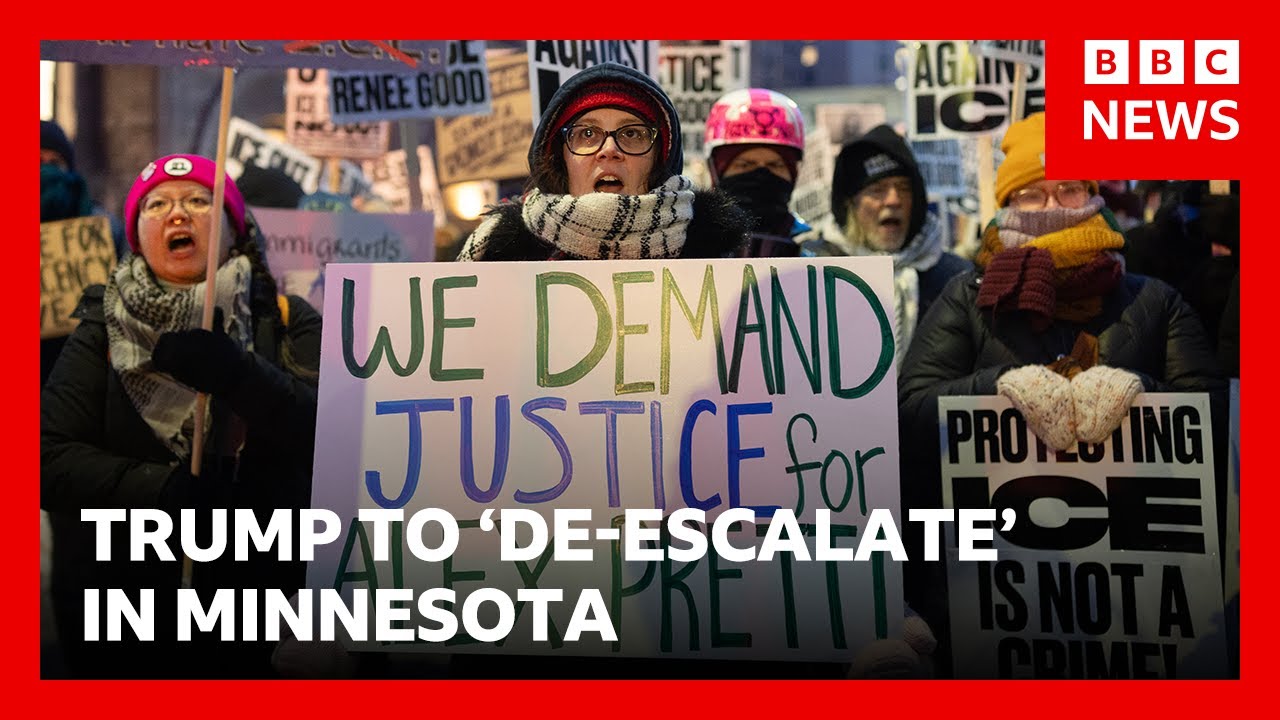
The recent turbulence in Minneapolis over immigration policy has drawn both local and national attention, standing as a microcosm of the broader discourse surrounding immigration in the United States. Following the tragic deaths of two protesters at the hands of border agents earlier this month, President Donald Trump announced a shift in his administration’s approach, advocating for a “de-escalation” amid ongoing protests against Immigration and Customs Enforcement (ICE) operations in the state.
Recent developments in Minneapolis have been significant. In a pivotal move, Tom Homan took the reins as the head of the immigration enforcement operation, succeeding Greg Bavino—whose tenure was marred by considerable criticism and public outrage. Bavino faced backlash for suggesting, without evidence, that one of the deceased protesters, Alex Prey, had intentions of "massacring federal agents." His inflammatory comments not only fueled anger among protesters but also detracted from the legitimacy of the law enforcement mission he was supposed to uphold.
In the wake of Homan’s arrival, demonstrators have made it clear: they demand the complete withdrawal of ICE agents from Minnesota. The atmosphere remains charged. While frustration persists, there are signs that, with leadership changes, some of the tensions may be easing. Homan has already begun outreach efforts, meeting with local leaders to gauge the community’s needs and concerns.
President Trump’s commentary highlights a delicate balancing act. While he champions the enforcement of strict immigration measures—actions that have defined his administration—he simultaneously acknowledges the need for a change in approach. “Minnesota has low crime numbers because we’ve taken thousands of hardened criminals out,” he stated, asserting the efficacy of his policies. Yet, he suggested that adjustments are necessary, describing the situation not as a pullback but as a nuanced recalibration of tactics. “It’s a little bit of a change,” he reflected, attempting to convey that adaptability does not equate to weakness.
Amid the evolving dynamics, Republican Senator Tom Tillis’s recent criticisms of Homeland Security Secretary Kirstjen Nielsen indicate rising discontent within Trump’s support base. Tillis labeled Nielsen’s management as “amateurish” and underscored a growing frustration with how immigration has been handled, particularly in Minnesota. Yet, Trump has publicly reaffirmed his support for Nielsen, emphasizing the need for a thorough investigation into Prey’s death, thereby attempting to maintain party unity while facing external pressures.
However, Trump’s remarks about Prey have stirred further controversy. During a visit to Iowa, he suggested that lawful gun possession at protests was inappropriate. “He shouldn’t have been carrying a gun,” Trump remarked. This comment has drawn ire from gun rights advocates, putting the president at odds with a fundamental tenet of his support base—an unusual stance for a leader closely aligned with pro-Second Amendment groups.
In a parallel thread of unrest, Congresswoman Ilhan Omar faced a dangerous incident while addressing constituents at a town hall meeting in Minneapolis. A man used a syringe to spray an irritant at her during the speech. Omar resumed her remarks shortly after, an act that demonstrated resilience in the face of intimidation. Community members reacted positively, expressing pride in her perseverance and the continued dialogue about the pressing immigration enforcement issues affecting their community.
The interplay of these events underscores a period of intense scrutiny surrounding the administration’s immigration policies. As protesters demand accountability and transformation, the administration’s push for a more measured approach may reflect the need for a recalibration, influenced by both public sentiment and political pressures. While tensions linger, the dialogue in Minneapolis serves as a hallmark of the complexities that define America’s immigration debate today.
Moving forward, it remains to be seen how the administration will navigate these challenges while adhering to its foundational policies. The situation in Minneapolis could signify a turning point, illuminating the intricate nexus between immigration enforcement, public safety, and civil rights, and ultimately shaping the narrative as the Trump administration progresses.