Navigating the Tax Filing Deadline: Separating Fact from Fiction
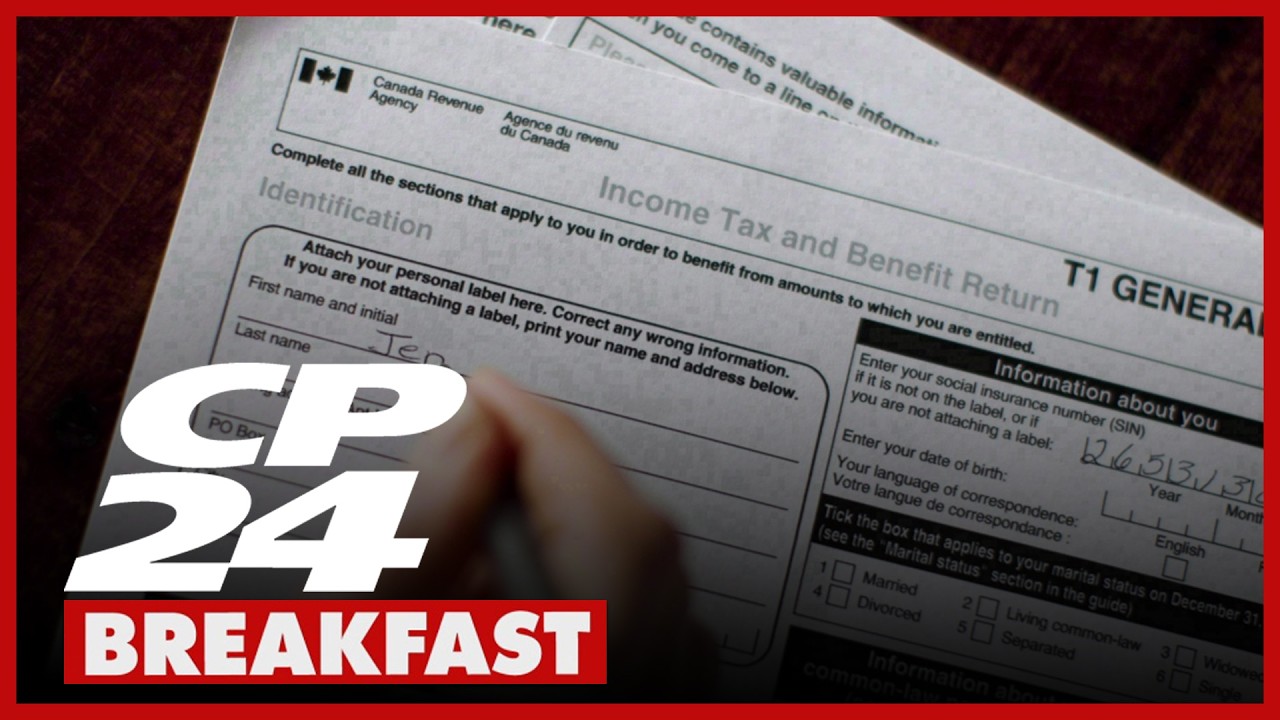
As the tax filing deadline approaches, many individuals find themselves grappling with the complexities of tax regulations. This period, often fraught with anxiety, invites a plethora of misinformation masquerading as tax hacks and advice. To clarify common misconceptions, we reached out to Stephanie Riquier, a CPA and spokesperson for TurboTax Canada. Her insights break down some prevalent myths and provide practical solutions for taxpayers.
One of the most concerning myths circulating is the belief that failing to file taxes won’t result in repercussions, particularly for those who haven’t filed in years. Riquier emphatically debunks this notion. “Not filing your taxes can lead to serious penalties,” she warns. For those who think that a lack of income absolves them from their tax responsibilities, this is also incorrect. “Even if you earn nothing, it’s vital to file your taxes because it can open the door to various benefits,” Riquier states. Ignoring tax responsibilities can lead to failure-to-file penalties ranging from $1,000 to a staggering $25,000. In extreme cases, neglecting to comply with tax regulations can even lead to imprisonment. The stress of unresolved tax obligations can linger, becoming a weight on one’s shoulders. “Why carry that burden for years?” she asks. Filing expedites relief and can even clarify outstanding debts.
There is also confusion surrounding withdrawals from Registered Retirement Savings Plans (RRSPs). Many individuals mistakenly believe these withdrawals are tax-free. Riquier clarifies this misconception. “RRSPs are designed to be tax-deferred, meaning you owe taxes upon withdrawal,” she explains. Each withdrawal can be subject to tax implications, including potential penalties. This is particularly critical when considering early withdrawals, such as for first-time home purchases, which must be repaid to avoid further tax consequences.
Another common misunderstanding involves the notice of assessment from the Canada Revenue Agency (CRA). Many people assume that receiving this notice means their tax situation is fully resolved. However, Riquier notes, “The CRA retains the right to reassess your return for up to three years, and in cases of suspected tax fraud, the window for review is indefinite.” While the usual recommendation to hold onto tax documents for six years stands, understanding that the CRA can look back three years for potential discrepancies is essential for taxpayers aiming to maintain compliance.
As the filing deadline looms, Riquier addresses several quick true-or-false questions to clarify further confusions. One pressing question is whether clothing expenses can be claimed as business deductions. The answer is a straightforward “False.” Riquier points out that only specific types of clothing, such as uniforms or protective gear required for work, may qualify for deductions. The misconception that personal clothing purchases can be claimed remains prevalent, and Riquier emphasizes the importance of knowing these boundaries.
Another amusing but common query relates to whether pets can be classified as dependents for tax purposes. Riquier confirms this is also “False,” except in specific scenarios. “If you have a service animal, you may be able to claim related expenses as medical costs,” she notes. While our pets hold a special place in our hearts, they do not add to our tax benefits.
For those facing the mounting pressure of the approaching deadline, Riquier has some practical tips. First and foremost, she urges individuals to start the filing process as soon as possible. A reliable starting point is the CRA’s official website, which offers a wealth of up-to-date information on Canadian tax regulations. Riquier also advocates utilizing netfile-certified software, such as TurboTax. For those who prefer to prepare their taxes independently, TurboTax’s DIY option is effective. If professional assistance is required, the TurboTax Expert Assist program can guide users through the process, helping alleviate stress during this hectic period.
In conclusion, as the tax filing deadline inches closer, it becomes paramount to separate fact from fiction. Armed with accurate information and the right resources, taxpayers can navigate this complicated landscape with greater ease and confidence. Remember, it’s never too late to seek help and take control of your financial responsibilities.