Calls for Accountability: The Rally for a Public Inquiry into the Eglinton Crosstown LRT
This afternoon, amidst the bustling backdrop of Midtown, a rally drew crowds determined to push for a public inquiry into the long-delayed Eglinton Crosstown Light Rail Transit (LRT) project. The frustration and impatience are palpable, especially as some sources hint that the long-awaited line may open as early as next Sunday. However, official confirmation remains elusive, with the Toronto Transit Commission (TTC) withholding any commitment while the province remains noncommittal.
The rally was teeming with demonstrators wielding flyers, demanding accountability for the staggering $13 billion price tag associated with the project. An inquiry would address the troublesome reality that what started with the best intentions has morphed into a venture plagued by delays and escalating costs. As we delve deeper into the community’s sentiments, we see the profound impact this project—or lack thereof—has had on local residents.
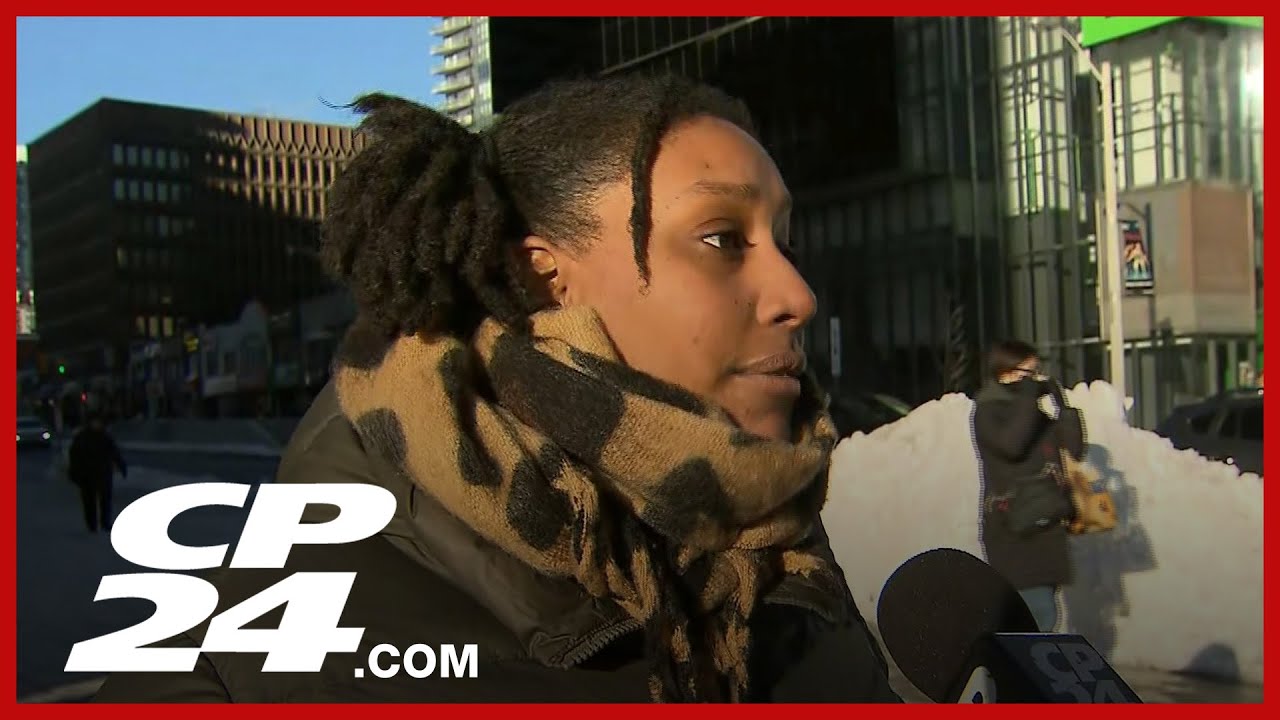
Anika Mark, representative from the Little Jamaica Land Trust, articulated the community’s struggle during the rally. She shared a vivid depiction of daily life disrupted by the construction. “Getting here was a challenge,” Mark noted. This simple observation encapsulates the broader issues faced by local residents, who not only endure the inconvenience of construction but also grapple with the socio-economic fallout that accompanies such delays.
These sentiments are echoed by many in Little Jamaica, a neighborhood brimming with cultural heritage. Mark emphasized that the LRT was seen as a beacon of hope. Provincial investments were supposed to usher in improved public transit that was both efficient and accessible. Yet, the community remains in limbo, waiting for a development that has yet to manifest.
Mark poignantly described Eglinton Avenue’s decline. Once a vibrant area people flocked to, congestion and construction have deterred visitors and led to a downturn in business for local proprietors. “Businesses are struggling and storefronts are vacant,” she lamented, explaining that the cultural character that once defined Little Jamaica is under threat. The social implications of the prolonged construction reverberate through the community; residents feel isolated, and the cultural fabric is at risk of fraying.
The concept of gentrification was also touched upon during the rally. Mark urged that rather than facilitating displacement, community stakeholders want to see existing residents reap the benefits of the LRT investment. “We want people who have lived through this construction to stay,” she asserted. This sentiment reflects a broader concern: the need for sustainable development that prioritizes the well-being of long-standing residents instead of merely giving way to new investments that may sideline them.
Despite the urgency and despair, Mark conveyed a resilience that remains intact among residents. “People are waiting,” she noted, addressing the collective hope that perhaps someday the LRT will transform hardships into opportunities. The frustrations accumulated over the last 14 years are now culminating in this rallying cry for answers, for accountability, and for a united effort to ensure that the neighborhood’s identity is preserved.
Furthermore, local business owners and community advocates echoed similar sentiments of urgency. They describe their current status as a “state of emergency,” citing not just business closures but also evictions that have swept through the neighborhood. The absence of accessible transit has intensified their struggles, with many residents feeling trapped as the once-thriving community navigates this challenging landscape.
As the rally unfolded, solidarity emerged not merely in numbers but in shared grievances. Attendees called for the provincial government to heed their voices and initiate meaningful conversations. Understanding the roots of the delays is imperative for moving forward, and the inquiry can serve as a platform for dialogue about repairing the harms inflicted over years of disruption.
In these final moments of the rally, amid noise and chants for accountability, it became clear: the quest for a well-functioning transit system is not just about transportation; it encapsulates hopes, dreams, and the very essence of community life. The demands for a public inquiry resonate with a strong message: the people deserve answers. Ultimately, they seek assurance that history will not repeat itself, and that progress will support—rather than displace—the community’s rich heritage and future growth.