The Ontario Progressive Conservative (PC) party has made a significant shift in its approach to media access during its ongoing convention in Etobicoke. Originally, the party had imposed a ban on journalists covering the event, which would have marked the first time restrictions of this nature had been enacted since Doug Ford assumed the role of Premier in 2018. However, in a surprising turn of events, a party spokesperson announced that members of the press will, in fact, be permitted to attend Premier Ford’s address at a fundraising dinner scheduled for later this evening.
This decision arrives amid heightened scrutiny over the transparency of political events in the province. The initial media ban raised eyebrows and prompted questions about the party’s commitment to openness and accountability. As political conventions serve as an essential platform for parties to communicate their policies and engage with constituents, limiting media access was viewed as an unusual stance, particularly given the Ford government’s previous history of relatively unrestricted press attendance.
The spokesperson for the PC party did not elaborate on the rationale behind the initial ban, nor did they provide specific reasons for its sudden reversal. This lack of clarity leaves room for speculation regarding internal party dynamics and the broader implications for media relations going forward. Such decisions can reflect a party’s strategic priorities and its relationship with the media landscape, especially in an era where public scrutiny is paramount.
By allowing journalists to cover the event, the PC party appears to recognize the importance of engaging with the media in shaping public narratives. The press plays a critical role in providing insights into party positions, candidate profiles, and legislative agendas. As a governing party, the Ontario PC party benefits from a media presence that encourages civic dialogue, thereby strengthening its connection with the electorate.
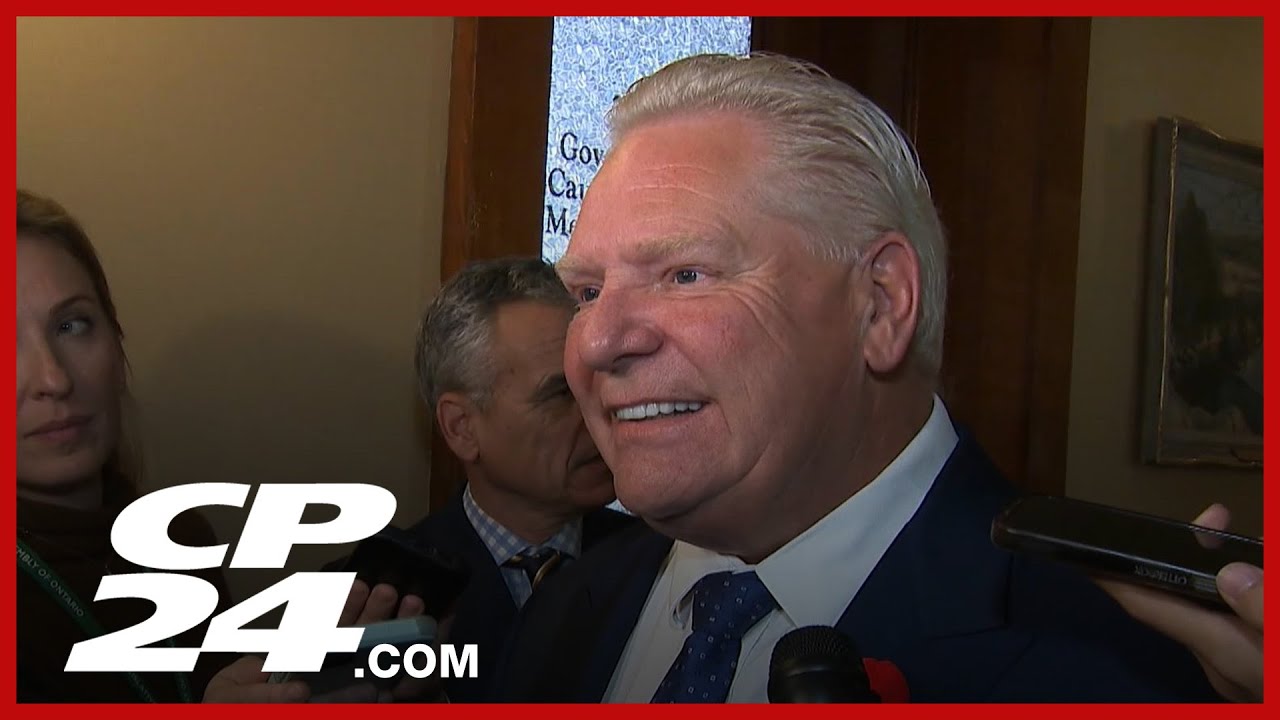
As the convention proceeds, the implications of these decisions are likely to be analyzed by both supporters and critics alike. The event is expected to serve as a platform for the party to articulate its vision as Ontario navigates various pressing issues, from economic recovery to healthcare expansion. The appearance of Premier Ford before a media audience is particularly noteworthy, given the intense political scrutiny that has accompanied his administration in recent years.
The political landscape in Ontario has been notably dynamic since Ford’s election. Citizens and analysts alike have observed the evolving strategies employed by the PC party, particularly amid the ongoing challenges posed by public health, economic growth, and social welfare. The allure of a fundraising dinner, with its promise of party unity and strategic messaging, magnifies the importance of media engagement at such gatherings.
Moreover, the reversal of the media ban can be interpreted as a recognition of the vital role independent journalism plays in democratic governance. While political narratives can sometimes be tightly controlled, transparency fosters an environment of accountability. By reiterating its openness to press coverage, the PC party may be sending a signal that it is willing to embrace journalistic independence, even amid the challenges that accompany significant political gatherings.
In conclusion, while the Ontario PC party’s reversal on media access may seem to be a minor adjustment, it symbolizes a larger commitment to transparency and the necessity of fostering dialogue with the public. As the convention unfolds, it will be crucial for the party to leverage these media interactions to underline its priorities and engage with the complexities that define contemporary Ontario politics. How this decision influences the party’s relationship with the media in the long run remains to be seen, but it undoubtedly sets a precedent for future conventions and showcases the fluid nature of political strategies in an evolving democratic landscape.