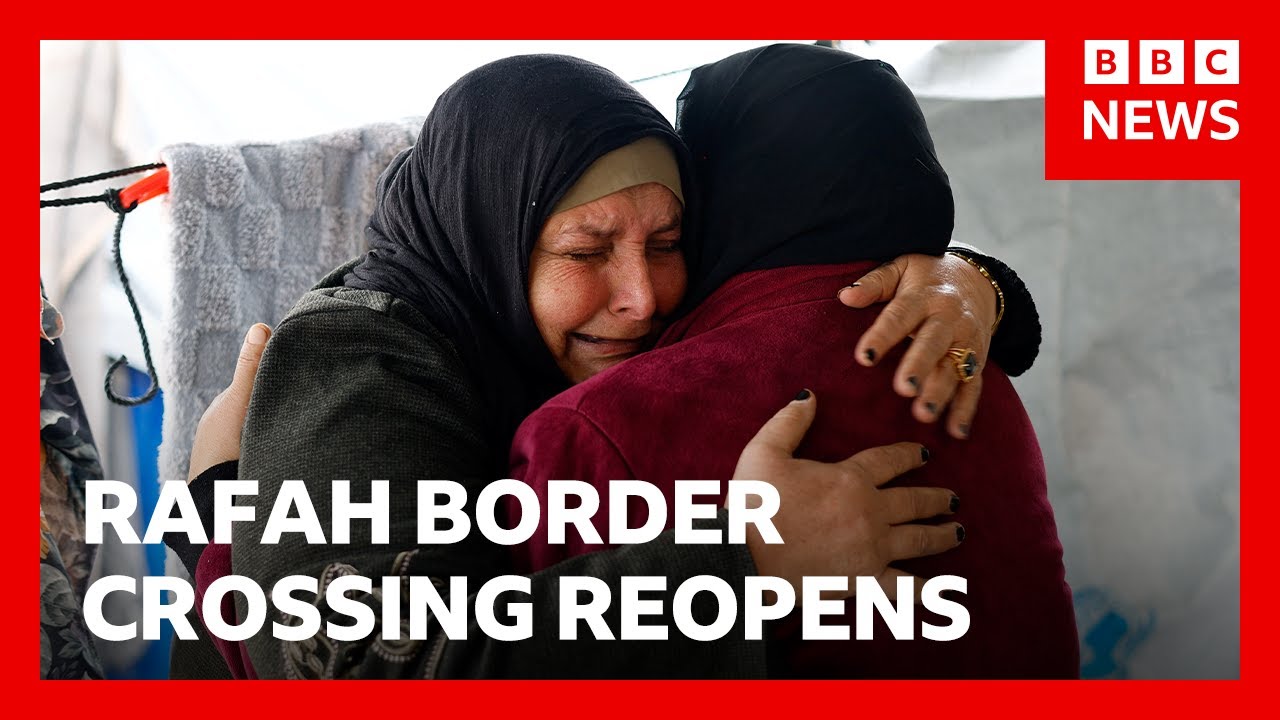
The reopening of the Rafah crossing between Gaza and Egypt has become a critical lifeline for many Palestinians seeking medical care and safe passage. The Palestinian Red Crescent reported that 16 patients, accompanied by family members, were transported to a southern Gaza hospital earlier today. The hope was that these individuals could leave for treatment in Egypt. In stark contrast, just five patients managed to cross on Monday, while 12 others were allowed to return—a far cry from the 50 patients who were originally promised the opportunity to seek medical help. This disparity underscores the desperate situation for approximately 20,000 Palestinians in Gaza who are in urgent need of medical services, many of whom are also yearning to return home.
The humanitarian crisis has been further exacerbated by the ongoing conflict and the resultant blockade, which have severely crippled the Gaza healthcare system and infrastructure. The UN World Food Program has acknowledged a recent increase in food supplies entering the area, attributing it to a U.S.-brokered ceasefire. Currently, about 750 metric tons of food cross into Gaza daily. Yet, this amount still falls significantly short of the daily target of 2,000 tons necessary to alleviate the situation, especially in the wake of two years of devastation that have left much of the region in ruins.
Voices from within Gaza offer a sobering perspective on the human cost of this ongoing crisis. One resident, Mana Rajab, shared a heart-wrenching story about her brother, who has been paralyzed from the waist down due to severe injuries sustained in the conflict. Nine months have passed since he last sought medical evacuation; despite repeated attempts, the border has remained closed. Mana’s frustration and sorrow are palpable as she notes the lack of adequate medical care, food, and housing. “There is no care for him. There is no ambulance for him and he can’t walk. He can’t eat by himself. He is in a very difficult situation,” she explained. The suffering endured by families like hers illuminates the urgent need for humanitarian intervention.
On the other side of the border, 20-year-old Mai is waiting to return to Gaza. His dreams of becoming a professional football player ended abruptly when a truck accident crushed his leg as he searched for food in the dark. Though faced with daunting challenges, Mai has found solace in cycling, an activity that serves as both physical rehabilitation and an emotional outlet. “Cycling helps me feel strong and free again,” he stated. His aspirations go beyond personal recovery; he dreams of helping to rebuild his neighborhood and inspiring others to persevere in the face of adversity. “I want to hug my family and see them safe. Then I want to meet my friends and ride my bike in the streets,” he shared, emphasizing the importance of community and connection in his healing journey.
The reopening of the Rafah crossing brings a flicker of hope, yet it also highlights the urgent need for comprehensive humanitarian efforts. While multiple lives hang in the balance, it is clear that the issues at play extend far beyond mere logistics of crossing. As the world watches, the stories of individuals like Mana and Mai serve as a stark reminder of the human resilience and deep-rooted challenges that continue to confront the people of Gaza.
Moving forward, the international community must prioritize the restoration of essential services and the facilitation of safe passage for those in dire need. Access to medical care and the ability to return home should not be luxuries; they are fundamental human rights that must be safeguarded. Only through collaborative efforts can we hope to alleviate the suffering and restore dignity to those caught in this ongoing crisis.