The Implications of Trump’s Calls for Federal Election Control
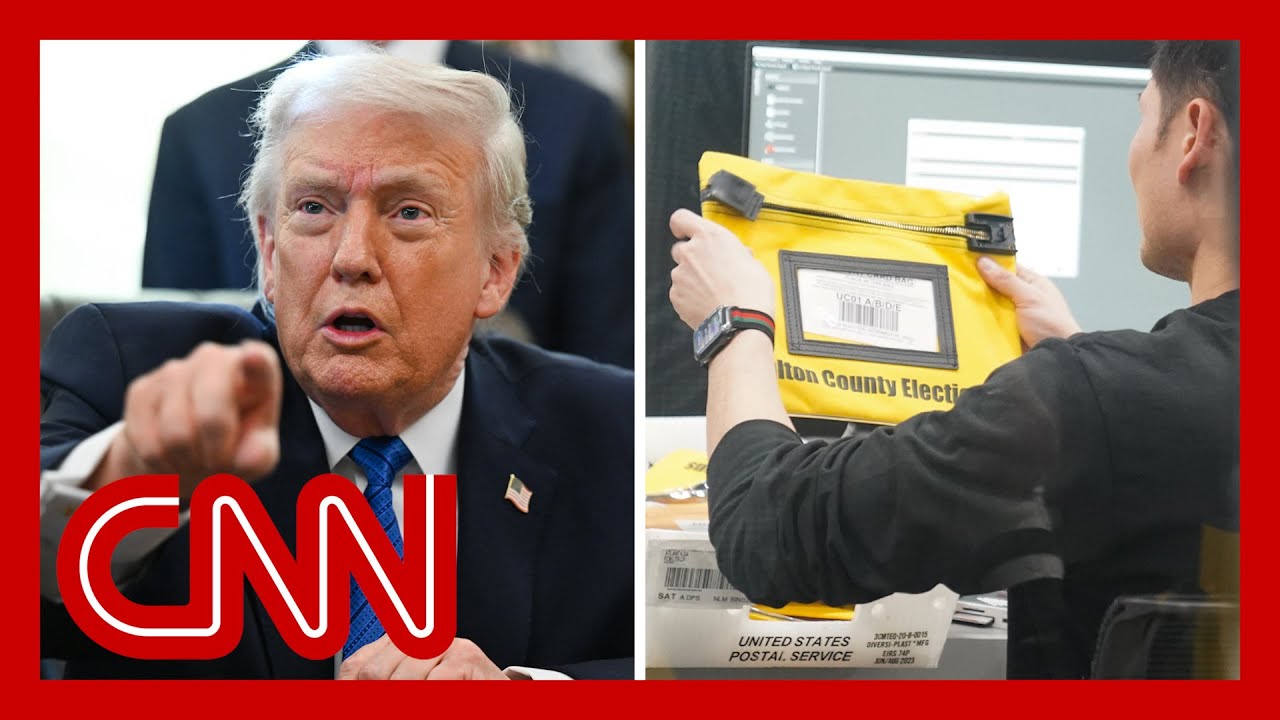
In a striking and controversial move, former President Donald Trump has begun advocating for the federal government to take command over elections in numerous states. This call is fundamentally rooted in his unfounded belief that he won the 2020 election—a notion that continues to reverberate through political discourse. In his recent remarks on Dan Bongino’s podcast, Trump expressed that Republicans should "take over" voting in at least fifteen states, suggesting a shift towards nationalizing the electoral process.
This rhetoric raises significant constitutional concerns. The U.S. Constitution expressly grants states the authority to manage their own elections. The framers of the Constitution understood the importance of state sovereignty in this area, recognizing that local governance often allows for more tailored solutions to voting processes. No statute or amendment presently supports Trump’s ambitions to alter this framework.
These declarations coincide with rising tensions around election integrity, especially following the FBI’s operation in Fulton County, Georgia. The agency’s search of an election office and seizure of 2020 ballots has sparked outrage and confusion. Critics argue that such actions could be perceived as part of a broader agenda to undermine trust in the electoral process. Tulsi Gabbard, who was present during the FBI’s investigation, indicated that during a call with agents, Trump did not issue directives or raise inquiries about their activities. This only fuels skepticism regarding the motives behind such federal intrusions.
Elena T at CNN has reported that, while Trump’s vocalizations about federal oversight may not result in actionable changes, they signal a broader trend of casting doubt on election integrity. Trump’s persistent claims about widespread fraud, particularly concerning the 2020 election, threaten to perpetuate misinformation. Various sources reveal that even within his own party, many Republican lawmakers view this rhetoric as counterproductive, especially with upcoming midterms on the horizon. Some appear eager to pivot focus towards issues other than election integrity.
The implications of federalizing election processes are profound. Such a significant shift would not only require constitutional amendments but would also risk disenfranchising voters and eroding long-established electoral practices that empower states and localities. This could lead to an atmosphere of distrust amongst constituents who perceive a centralized authority impinging upon what has traditionally been a state-controlled process.
In Fulton County, local officials, including the chairman of the Board of Commissioners, Rob Pittz, have publicly voiced their concerns about the potential overreach of federal or external influences on electoral integrity. Pittz described the unsubstantiated claims of election fraud as politically motivated distractions, not grounded in evidence. He emphasized that Fulton County conducted 17 elections post-2020 without complaint, characterizing them as fair and transparent.
Pittz’s assertion that the federal government should "stay the hell out" highlights the broader sentiment among local officials who feel that their constituencies’ electoral rights may be compromised by federal intervention. He voiced legitimate concerns about the impact of such interventions on voter turnout, suggesting that a federal takeover could dissuade individuals from participating in elections altogether.
The legitimacy of elections should be a bipartisan concern; however, the current political climate often conflates governance with partisanship. The fixation on the 2020 elections by Trump—and the subsequent accusations levied at various jurisdictions—raises questions about accountability and transparency in the electoral process. The convoluted narratives being propagated about election integrity may serve more as a mobilization tool for political agendas than as a conduit for truth or reform.
As the midterm elections draw closer, it remains crucial for both parties to address issues of election integrity with factual discourse rather than divisive rhetoric. Ensuring that each legal vote is recorded and counted should remain a shared objective, safeguarded by constitutional principles that respect state authority over electoral matters. Amidst mounting tensions and accusations, the role of federal oversight must be scrutinized, and the sanctity of local elections upheld. As we navigate this turbulent political landscape, vigilance and integrity must guide our dialogue on democracy.