A Historic Appointment: Dame Sarah Mlei Becomes the First Female Archbishop of Canterbury
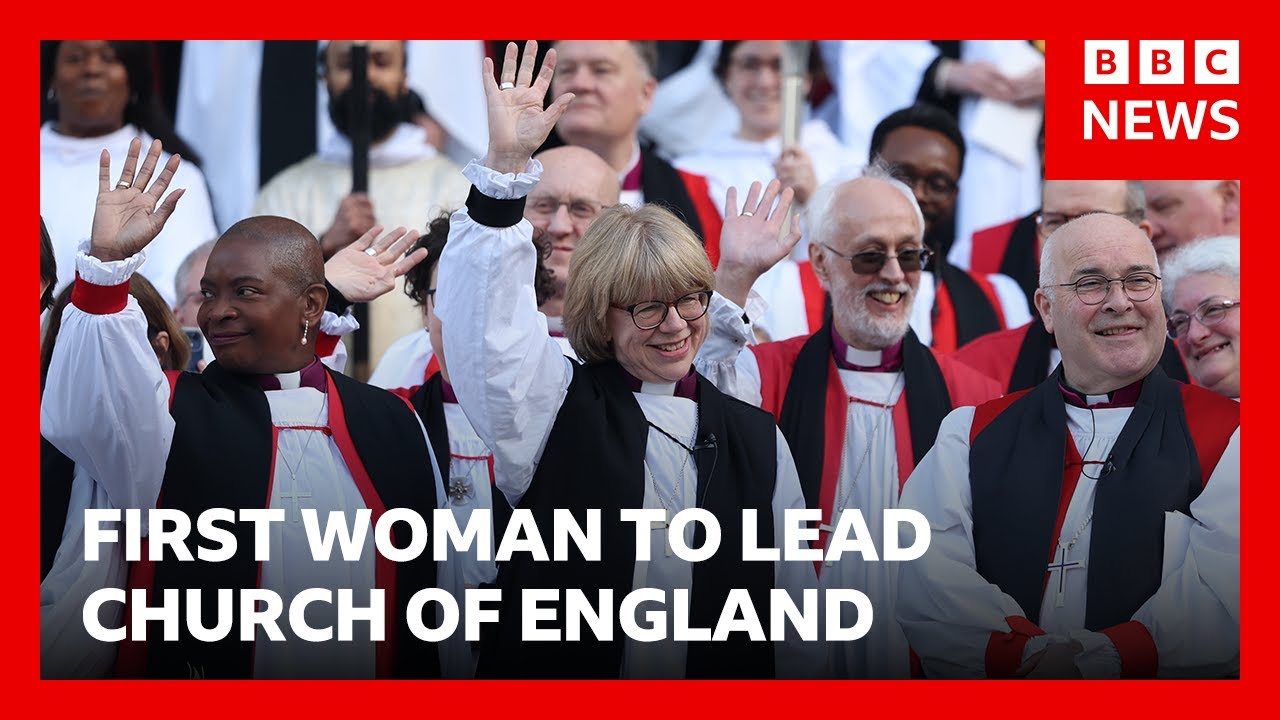
On the steps of St. Paul’s Cathedral in London, an epochal moment has unfolded in the history of the Church of England. Dame Sarah Mlei has officially been confirmed as the 106th Archbishop of Canterbury, shattering a centuries-old glass ceiling as the first woman to occupy this esteemed ecclesiastical position. This moment embodies a significant cultural shift within Christianity, particularly at a time when the church grapples with its relevance in the modern world.
The confirmation of election service, a ceremony steeped in Christian liturgy and legal formality, provided the backdrop for Mlei’s new role. This procedure serves as a crucial validation from the church’s ecclesiastical court regarding the legitimacy of last year’s election, which saw Mlei chosen to succeed Justin Welby. Her election marks a watershed moment not just for the Church of England but for the global Anglican Communion, illustrating a broader effort to embrace diversity and inclusion in religious leadership.
In her first statements as Archbishop, Dame Sarah expressed her commitment to lead with “calmness, consistency, and compassion.” The significance of these words cannot be overstated. They signal a desire to approach her role through a lens of empathy, acknowledging the complexities and challenges that lie ahead.
As she stood amidst the ringing bells of St. Paul’s Cathedral, Mlei also took a moment to reflect on the weight of her new responsibilities. The role encompasses not only local church matters but also the wider global Anglican community, requiring her to listen to a multitude of voices, each with its own concerns and expectations. This may prove to be an intricate balancing act, especially given the polarized opinions surrounding her appointment.
One of the most pressing issues Mlei faces is the Church of England’s ongoing struggle with safeguarding policies. The resignation of her predecessor was in part due to failures in this area, making the promise to address these concerns a priority during her tenure. Her recent remarks indicate a commitment to not only scrutinizing existing protocols but also ensuring an environment conducive to healing and safety for victims and survivors of abuse.
Mlei’s elevation to this role does not come without its challenges, particularly given the historical resistance to female leadership within the church. During her confirmation, a heckler took the opportunity to voice skepticism, demonstrating the deeply ingrained attitudes that still exist. Mlei, however, remains undeterred. In her interview, she acknowledged the difficulty some may have with her appointment but reaffirmed her intention to foster dialogue and understanding. Her approach emphasizes empathy and hospitality, essential qualities in bridging divides.
Another formidable hurdle she must confront is the issue of misogyny within the church. Drawing upon her personal experiences, she has articulated a commitment to addressing gender inequity in a space often perceived as exclusive and hierarchical. By bringing these discussions to the forefront, Mlei aims to create an environment where everyone—regardless of gender—can flourish.
Before she fully embarks on her public-facing role at the end of March, Mlei has a series of engagements lined up, including meetings with the Prime Minister and the King. These initial interactions will not only set the tone for her leadership but also offer a platform to discuss pressing issues such as the church’s stance on same-sex blessings, which has recently encountered significant obstacles.
The anticipation surrounding Mlei’s leadership is palpable. Many within the church and the broader community will look to her to initiate meaningful change in safeguarding practices and inclusivity. Her commitment to transparency and action will be vital in assuring congregants and stakeholders that the church is ready to confront its challenges.
In a world increasingly questioning the relevance of traditional institutions, particularly religious ones, Mlei’s appointment could signal a new era for the Church of England. Her role as Archbishop presents not only an opportunity for reform but also a chance to redefine what leadership looks like within one of the oldest religious organizations in the world. As history unfolds, the implications of her leadership will resonate far beyond the walls of St. Paul’s Cathedral.