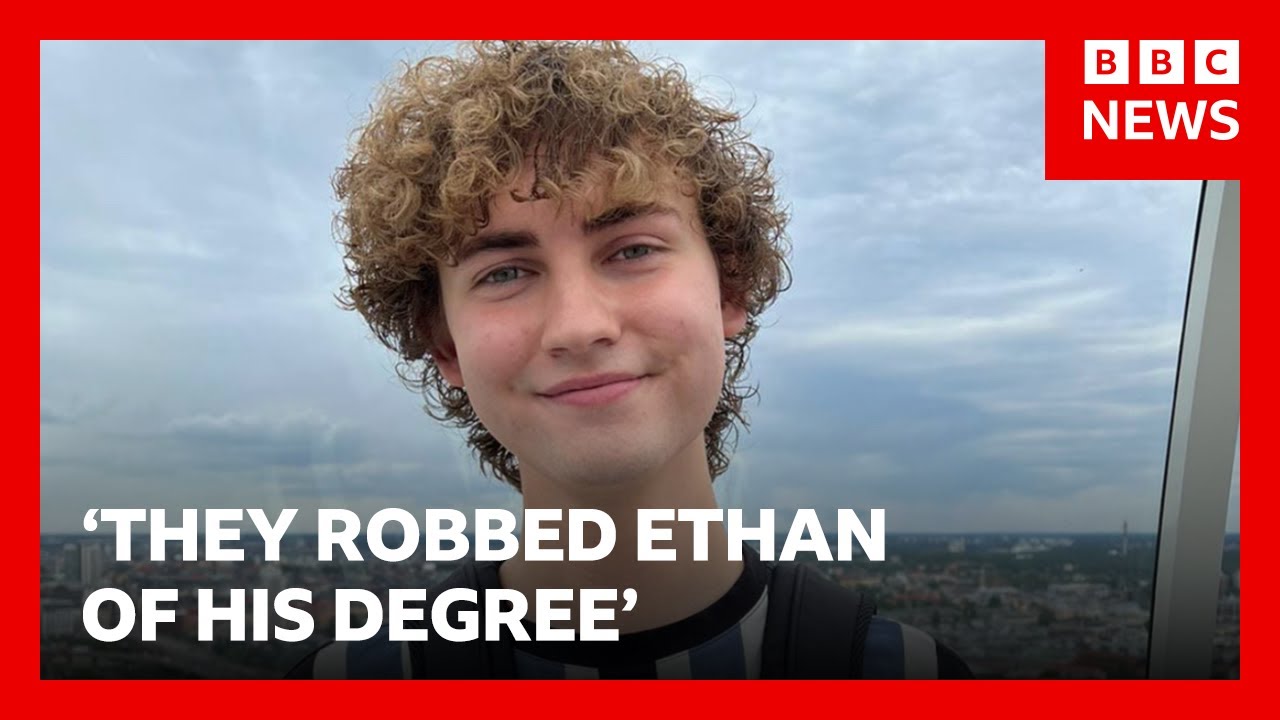
Systemic Failures and the Tragic Case of Ethan: A Call for Accountability at the University of Glasgow
Recent revelations regarding systemic failings at the University of Glasgow have intensified scrutiny of the institution’s academic processes. In the deeply tragic case of Ethan, it appears that a series of mistakes—culminating in his devastating decision to take his own life—could have been prevented with a functioning system of checks and support. This harrowing circumstance not only highlights individual incompetence but underscores a broader institutional crisis that warrants urgent attention.
Ethan’s family has long suspected that the university’s shortcomings extended beyond just one isolated incident. Their conviction was validated when it was confirmed that he had, in fact, been eligible for a 2:1 degree—a distinction that failed to be recognized by university staff or even external exam boards. This profound oversight raises troubling questions about academic oversight and student welfare within one of the UK’s prestigious universities.
Losing a loved one to such a preventable tragedy has prompted Ethan’s family to pursue justice, not only for him but for countless other students who might share his fate. “Ethan’s story is not unique,” they assert, emphasizing that institutional inadequacies could put many still enrolled at risk. The family’s tireless advocacy aims to ensure the safety of future cohorts.
The University of Glasgow has publicly accepted the recommendations made by the Quality Assurance Agency (QAA), pledging to implement comprehensive reforms. However, skepticism lingers. Many wonder whether this acknowledgment of past failings reflects a genuine understanding of the problems at hand, or if it is merely a surface-level response to mounting pressure. The family’s perspective is clear: they believe the university has been aware of these issues all along, as evidenced by their own internal investigations before the QAA’s report came to light.
One critical concern voiced by the family is the lack of communication regarding ongoing reviews of the university’s practices. They discovered that external assessments were already in the works while university officials publicly maintained that no systemic issues existed. Such contradictions only serve to deepen their hurt and frustration, as they feel betrayed by an institution that should have prioritized student welfare.
The implications of allowing such systemic failings to persist are dire. The family contends that Ethan’s struggles were exacerbated by a lack of emotional and mental health support. Upon being told he would not graduate, Ethan experienced a profound sense of despair without any offers of assistance. It was not merely the academic failure that drove him to despair; it was compounded by the absence of proper mental health measures within the university’s framework. “This could have been prevented,” they affirm, stressing that proactive support systems could have mitigated Ethan’s tragic descent.
The current inquiries by the Crown Office into the circumstances of Ethan’s death carry weighty implications. They offer a chance to address not just the specifics of his case but also the broader failings that have plagued the university. “We want transparency,” the family declares, holding firm in their demand for detailed information regarding Ethan’s treatment and the institutional response to his needs.
For many families, the battle for acknowledgment and reform is about more than just one student’s legacy; it’s about safeguarding future generations and ensuring that no other family has to endure such an unimaginable loss. “We have been robbed of Ethan, and the university has robbed him of his dreams,” they conclude, their voices tinged with both sorrow and resolve.
In light of the systemic issues revealed in the aftermath of Ethan’s tragedy, it is imperative that the University of Glasgow take meaningful steps to rectify its shortcomings. The academic community must not only acknowledge past failings but also work tirelessly to implement strategies that prioritize the holistic welfare of their students. Only then can they begin to rebuild trust with those they serve and create a safer, more supportive educational environment.