The Political Turmoil Surrounding the Mandelson Appointment
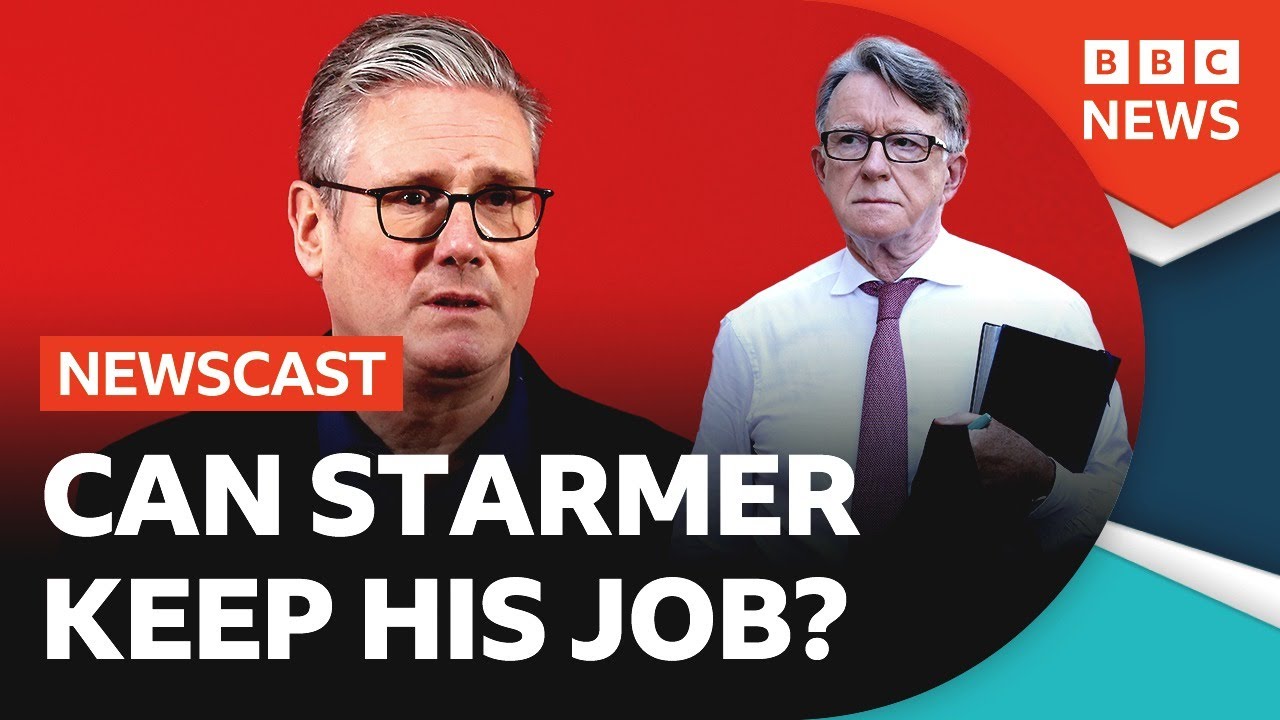
In recent days, the political landscape in the UK has experienced seismic shifts following the controversy surrounding the appointment of Peter Mandelson as ambassador to the United States. As discussions unfold, key figures from the Labour Party, including Kier Starmer and various MPs, have been thrust into the spotlight, facing scrutiny regarding their judgment and decision-making processes.
In the Newscast studio, a panel including Alva Ray from the New Statesman and Luke Sullivan, formerly an adviser to Kier Starmer, delved into the implications of these events. Alva highlighted the controversy’s impact on Labour, signaling that MPs within the party had resorted to sharing the PDF of Alva’s widely read cover story—a grim endorsement of the serious issues at play. The conversation quickly increased in intensity as Luke recounted how swift parliamentary events had unfolded, underscoring how the government was caught off-guard with little time to respond adequately.
The crux of the controversy lies in the speed at which the Tory motion was proposed, leading to the government’s hasty amendment regarding national security files associated with Mandelson. Luke noted that Angela Rayner’s decisive stand against the original motion was vital in re-framing the debate. The gravity of the situation was compounded by the extensive range of documents demanded, including communications not just between ministers but also special advisers and Mandelson himself. Such requests pose significant challenges regarding compliance, potentially inundating the government with a vast trove of materials.
Alva suggested that while the immediate parliamentary maneuverings may eventually be forgotten, the wider ramifications stemming from Mandelson’s appointment and connections to Jeffrey Epstein are more significant. Kier Starmer’s recent speech in East Sussex aimed to steer the conversation towards a "pride in place" initiative, intended to rejuvenate local economies. However, the fallout from the Mandelson affair loomed large, compelling the Prime Minister to acknowledge the rising anger from Labour backbenchers.
In his address, Starmer expressed a sincere apology to the victims of Jeffrey Epstein, admitting he had been misled by Mandelson. The acknowledgment, while important, revealed deeper fissures in Starmer’s leadership. Luke noted the Prime Minister’s emotional resonance during the speech, a rarity that could either rally support or further expose vulnerabilities.
The panel’s discussion illuminated the growing dissatisfaction within Starmer’s ranks, with MPs questioning the efficacy of his judgment. Alva pointed out the stark contrast between Starmer’s stated values, particularly regarding violence against women and girls, versus the troubling optics of appointing a man with well-documented ties to a convicted sex offender.
As scrutiny on Starmer mounted, questions regarding the advice he received from his chief of staff Morgan McWeeny became prevalent. Was Starmer merely a leader who took advice without critical examination? Or did he understand the potential repercussions of appointing Mandelson under the circumstances? Compounding the tension, Labour MPs shared sentiments of betrayal and disappointment, underscoring a growing crisis of confidence in their leader.
The unravelling implications extend beyond political maneuvers; they jeopardize Starmer’s position at a crucial juncture. While currently, voices calling for a leadership change remain muted, a pervasive sense of disquiet suggests that lasting damage could emerge from this affair. As Luke remarked, the mood among Labour MPs has soured, particularly as the party approaches significant elections.
Furthermore, the broader societal implications of this controversy cannot be ignored. Many in the public feel disenfranchised by ongoing political scandals, viewing politicians as disconnected from their concerns. The charges surrounding Mandelson risk reinforcing the notion that political leaders are untrustworthy.
In conclusion, as Labour grapples with this complex crisis, it remains uncertain how deep the wounds from the Mandelson affair will cut. Kier Starmer’s leadership is undoubtedly at a crossroads, where the path forward will depend significantly on how transparently he addresses the controversies and whether he can regain the trust of his party and the public.