The Growing Concerns Over Student Loan Systems: A Modern Misselling Scandal?
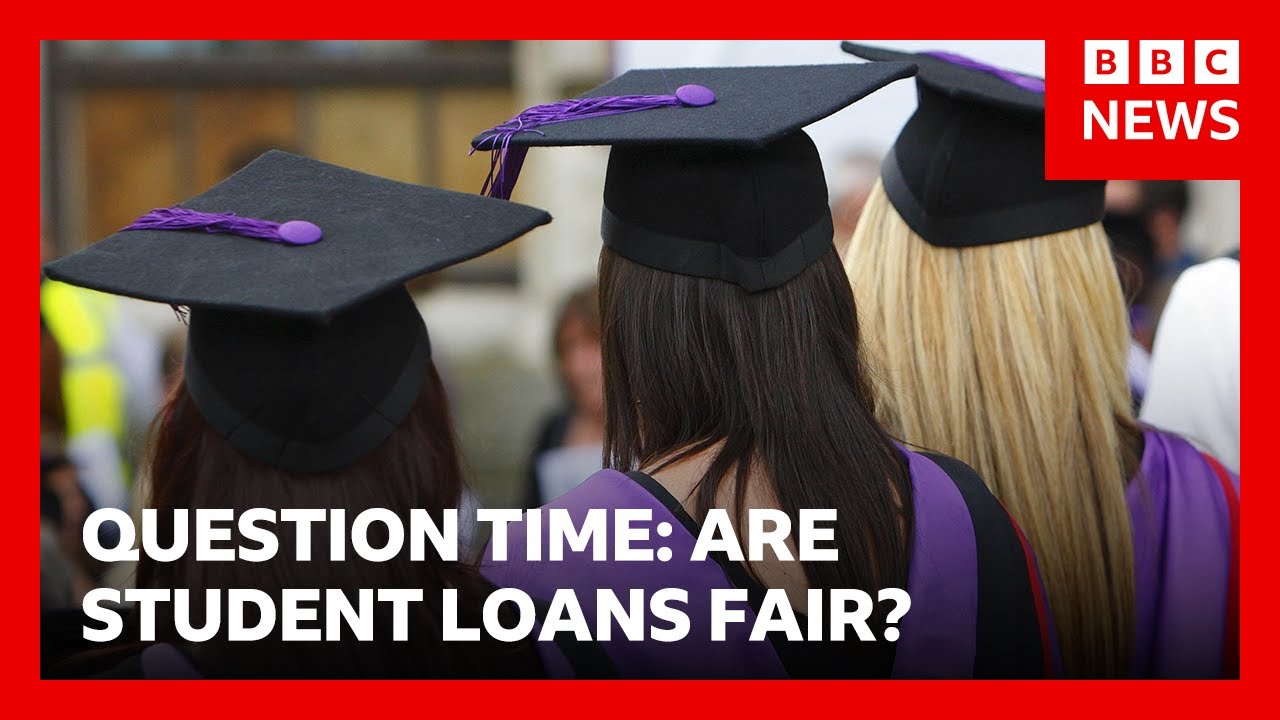
In recent discussions about student loans in England, there has been a significant backlash against the terms and conditions under which these loans are structured. We are witnessing a potential crisis that some have termed the next "misselling scandal." With around four million borrowers affected, questions about fairness and transparency loom large.
At the heart of these concerns lies the Plan Two student loan, primarily utilized by students in England. Several facets of this system are troubling. Most notably, graduates are currently subjected to an interest rate that can reach up to 6.2%, calculated as the Retail Price Index (RPI) plus a margin. The implications of this can be staggering; for graduates like Ollie, the burden of student debt is not just financial but psychological, exacerbated by the sense of being misled. For instance, Ollie graduated from university with approximately £37,000 in debt. He also calculated that he has accrued nearly £32,000 in interest since starting. Was the loan marketed transparently? Many argue it was not.
The inequities in the system are glaring. Those fortunate enough to pay tuition fees upfront avoid accruing interest entirely. This creates a regressive situation where wealthier individuals can sidestep the burdens faced by their less affluent peers. Is that fair? Certainly, critics argue it is not.
While there are beneficial aspects to the student loan system, such as the eventual forgiveness of debts for lower earners, the government’s approach to these loans has significantly changed over time. The repayment thresholds have become increasingly rigid, making it difficult for graduates, particularly those earning near the living wage, to escape the cycle of debt. This change in terms of repayment – established without the consent of borrowers – raises ethical questions and has led some to liken it to loan sharking.
The argument is further deepened by the insight from various panelists discussing reforming educational financing. Ollie and others suggest that education is a public good, not merely a commodity. The general public benefits from an educated society, so why not fund it similarly to other public services? Shouldn’t the state ensure that quality education is accessible for all, rather than burying students under a mountain of debt?
Another voice in the conversation, Dr. Zia, highlighted the mismatch between current job market needs and the education system. Many students pursuing degrees find themselves graduating into a job market saturated with low-value opportunities. If there are skills shortages in areas like engineering and healthcare, why are costly degrees still the prevailing path?
For new students concerned about their financial future, the looming specter of debt has led many to reconsider their options. As one prospective student highlighted, securing a job that offers stability after graduation is fraught with uncertainty, leading some to explore alternatives like apprenticeships.
Political commentators have also chimed in, remarking on how the freezing of repayment thresholds represents a stealth tax on young graduates. With expectations already high for recent graduates, these new financial obligations only add to their challenges. According to analysts, by 2031, even those on minimum wage will start owing repayments.
The ongoing discussion reveals a broken social contract, especially for those under 30. Young people today face challenges that extend beyond student loans, including housing unaffordability and job market instability. For many, their educational aspirations have become intertwined with a burden that could hinder their future.
In response to these numerous concerns, what should be done? For some legislators, increasing the income threshold for repayments and lowering interest rates could provide immediate relief. Others advocate for a broader reassessment of the education funding model and a shift towards supporting vocational training.
It seems that the current status quo is not just unsustainable, but it risks exacerbating existing inequalities. As we tentatively move into a future where student debt looms large, addressing these systemic issues with urgency and transparency is paramount. The potential for a student loan misselling scandal is not just a theoretical concern; for many, it is already a reality.