The Rafah Crossing: A Fragile Gateway for Gazans
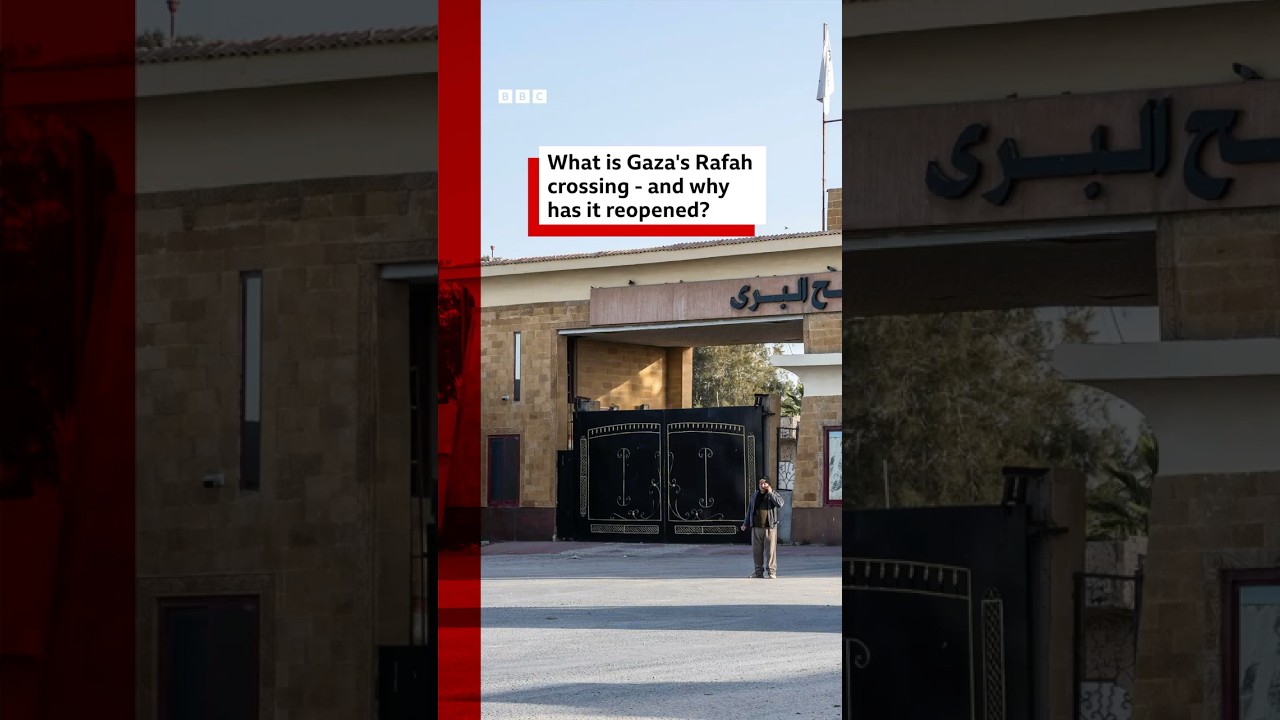
For Palestinians in Gaza, the Rafah border crossing with Egypt is a symbolic and crucial link to the outside world. This crossing stands out as the only point of access that does not lead into Israel. In May 2024, Israeli forces captured the Palestinian side of the Rafah crossing, effectively putting it on lockdown. Since then, the border has remained largely shut, intensifying the sense of isolation felt by many Gazans. The potential reopening of Rafah is now viewed with a mixture of hope and trepidation among the local population.
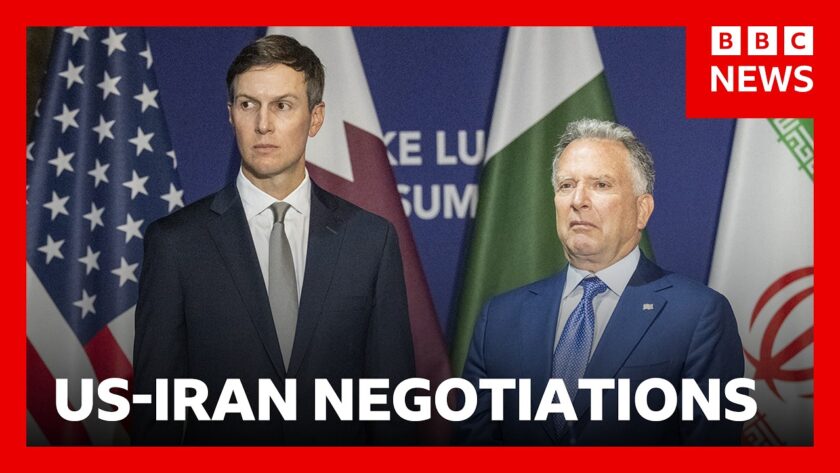
Reopening the crossing is integral to the broader peace framework proposed by former President Donald Trump, making it a focal point in discussions about Gaza’s future. Many Palestinians have been expressing cautious optimism at the possibility of reopening, as it could signal a shift in their arduous daily realities. However, this optimism is tempered by a sense of frustration. While the crossing might technically be reopening, the parameters surrounding its usage are profoundly limiting.
The current plan permits a limited flow of people. Initially, only a few dozen individuals will be allowed to pass through the crossing each day—both entering and exiting Gaza. This restrictive measure is particularly disheartening given the dire circumstances many are facing. To illustrate, over 20,000 Palestinians are currently awaiting exit approval for essential medical treatments. Prioritizing medical needs is commendable but does little to alleviate the broader sense of urgency among those trapped in the enclave.
Moreover, the situation becomes increasingly complicated with the presence of numerous other categories of individuals who also aspire to leave Gaza. Among them are students who wish to pursue academic opportunities abroad and families yearning for reunification. The limited capacity at Rafah creates an environment of competition for a scarce resource—safe passage to life outside Gaza. Those left behind must grapple with the emotional weight of being stuck in a conflict-ridden area, further exacerbating the psychological toll experienced by the population.
On the other side of the border, more than 30,000 Palestinians have expressed a desire to return to Gaza. These individuals are eager to reunite with family members or reclaim their homes. The prospect of rejoining loved ones, however, is shrouded in uncertainty. At the current pace, it may take until late next year for all those wishing to cross back into Gaza to do so. This prolonged delay raises profound questions about the nature of access to essential services and the right of individuals to move freely.
The inability to permit humanitarian aid to traverse through Rafah adds another layer of complexity. The blockade around Gaza has led to severe shortages of crucial supplies, including food, medicine, and basic necessities. The government-imposed restrictions prevent urgent aid from flowing directly into the enclave, further deepening the humanitarian crisis. The decision to limit aid access underscores the intertwined nature of politics and humanitarian concerns, where even well-intentioned acts are caught in the crossfire of geopolitical maneuvering.
This situation highlights the fragile condition of hope among Gazans. The reopening of Rafah could symbolize a breakthrough, yet its current limitations suggest that the path to recovery and reintegration into the global community is fraught with challenges. For many, Rafah is not just a crossing; it is a testament to resilience and the longing for a better future. While the possibility of easing the border restrictions shines a light on potential progress, the reality on the ground illustrates that hope must often contend with harsh constraints.
Ultimately, as the world watches the developments surrounding Rafah, it is crucial to recognize the humanity behind the statistics. There are individuals with aspirations, health crises, and familial bonds that transcend borders. The future of Gaza hinges on not just the reopening of a border crossing, but on a renewed commitment to addressing the humanitarian needs of its people. Perhaps then, Rafah will cease to be merely a gateway to the world, but a bridge to a hopeful and inclusive future.