Understanding the U.S. Military Posture in the Middle East: A Comprehensive Analysis
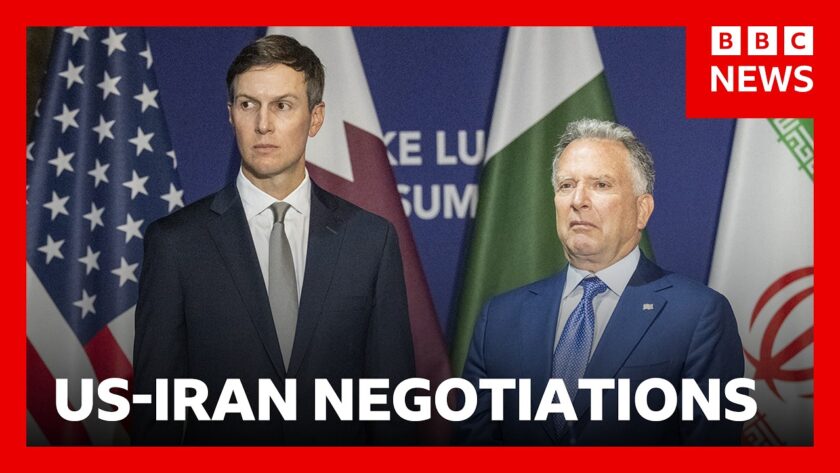
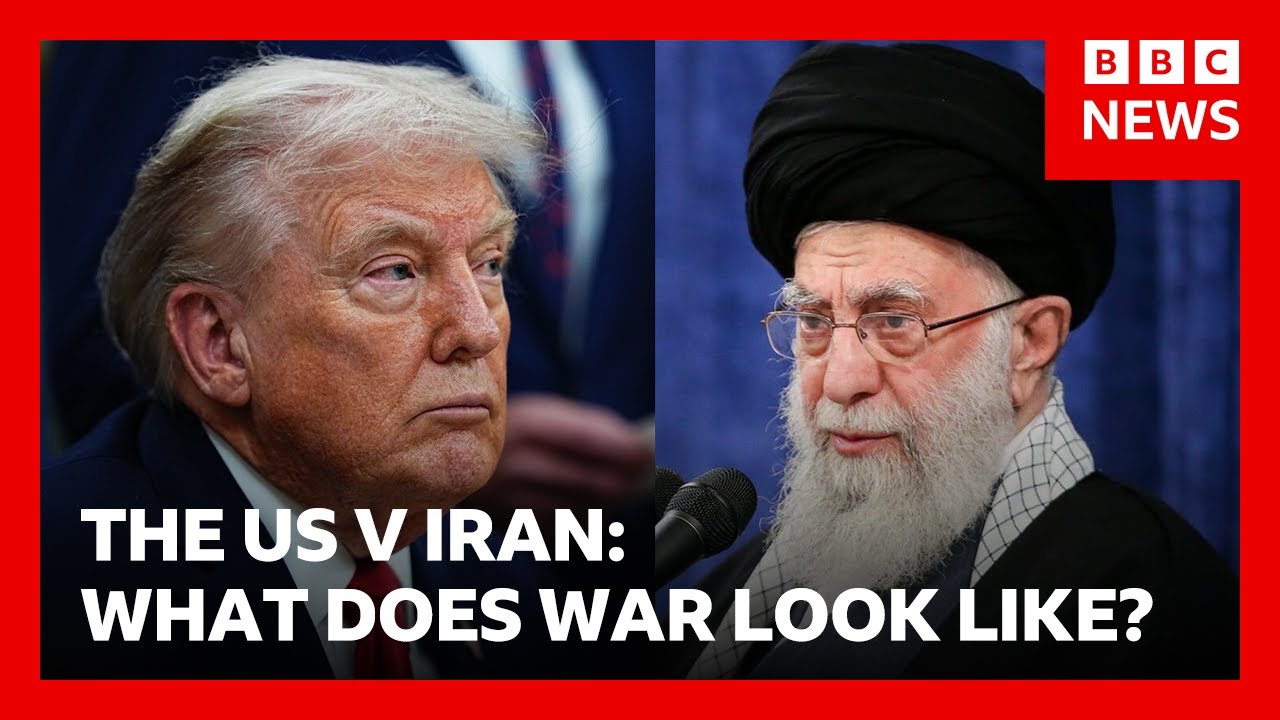
In recent weeks, President Trump has taken a noteworthy stance regarding Iran, signaling increased military readiness in the region. This build-up consists of significant naval assets and a plethora of military resources intended to deter any hostile activities from Tehran. But what exactly do these movements entail? More critically, how do they interplay with various operational strategies, and what implications could they hold?
Military Readiness and Strategic Posturing
The U.S. military’s current posturing in the Middle East is not just about deterrence; it’s a complex mixture of offensive and defensive considerations. The U.S. aims to protect its allies, particularly Israel, while simultaneously preparing for possible strikes against Iranian nuclear facilities. These preparations involve a range of sophisticated military assets, including aircraft carriers and advanced missile defense systems like the Iron Dome, David’s Sling, and the Arrow systems deployed to defend against shorter-range and high-altitude ballistic missiles.
The Iron Dome, for instance, serves as a critical line of defense for Israel. It requires a significant stockpile of missiles—estimated at 600 to 800—to effectively counter a possible barrage from Iran. This poses a logistical challenge for the U.S. and its allies, necessitating a robust supply chain for munitions and the deployment of additional air defense capabilities such as THAAD and Patriot systems.
Offensive Strategy: Intelligence at the Core
But defense alone won’t suffice. An effective offensive strategy requires a well-rounded intelligence-gathering apparatus. This includes human intelligence, imagery intelligence, and electronic intelligence. The robustness of this intelligence network will heavily influence the timing and effectiveness of any potential military action against Iran. Operations could range from surgical strikes on nuclear facilities to targeted actions against key Iranian military leaders.
Key in this offensive calculus is the deployment of aircraft such as the USS Abraham Lincoln. While slightly less capable than its counterpart, the USS Gerald R. Ford, the Abraham Lincoln is still deeply formidable. It can deploy thousands of air sorties daily and is expected to operate close to Iranian territory. Layered defenses around the carrier strike group, including advanced fighter jets capable of electronic warfare, are designed to ensure operational safety while delivering precise strikes.
Critical Geopolitical Coordinates
Geopolitical dynamics play a crucial role in this military posturing. The U.S. needs access to bases in allied countries close to Iran, including Jordan and Qatar. These bases facilitate the stationing of aircraft capable of conducting air-to-air refueling, reconnaissance, and electronic warfare. Such logistical networks are essential for sustaining long-term military operations.
The importance of intelligence cannot be overstated, particularly concerning Iranian military assets. U.S. and allied forces must continually monitor Iranian movements and capabilities, especially since Iran has previously engaged in deploying surveillance drones to assess U.S. carriers and bases.
The Most Dangerous Courses of Action
As tensions escalate, the U.S. considers several courses of action, particularly targeting Iranian leadership and disrupting its military command structure. This poses a risk of significant regional escalation. The assassination of key figures could galvanize Iranian nationalism and trigger retaliatory strikes, not just against U.S. assets but also against its allies in the region.
Operational planning for such high-stakes missions would entail detailed geographical analyses. Significant differences exist between conducting operations in the Middle East compared to engagements like those in Venezuela. The distances involved, potential threats from advanced surface-to-air missiles, and urban environments compound the risks and complexities.
Conclusion
The current military mobilization and strategic considerations reflect not only the U.S. government’s desire to deter Iranian aggression but also the intricacies of modern warfare that encompass intelligence, logistics, and multifaceted operational plans. As potential courses of action unfold, careful planning combined with rapid adaptability will be crucial. The situation remains fluid, and while the U.S. prepares for various outcomes, the geopolitical calculus surrounding Iran continues to evolve. The world watches closely as the ramifications of these military maneuvers could shape regional stability for years to come.