The Challenges of Affordability: A Candid Conversation
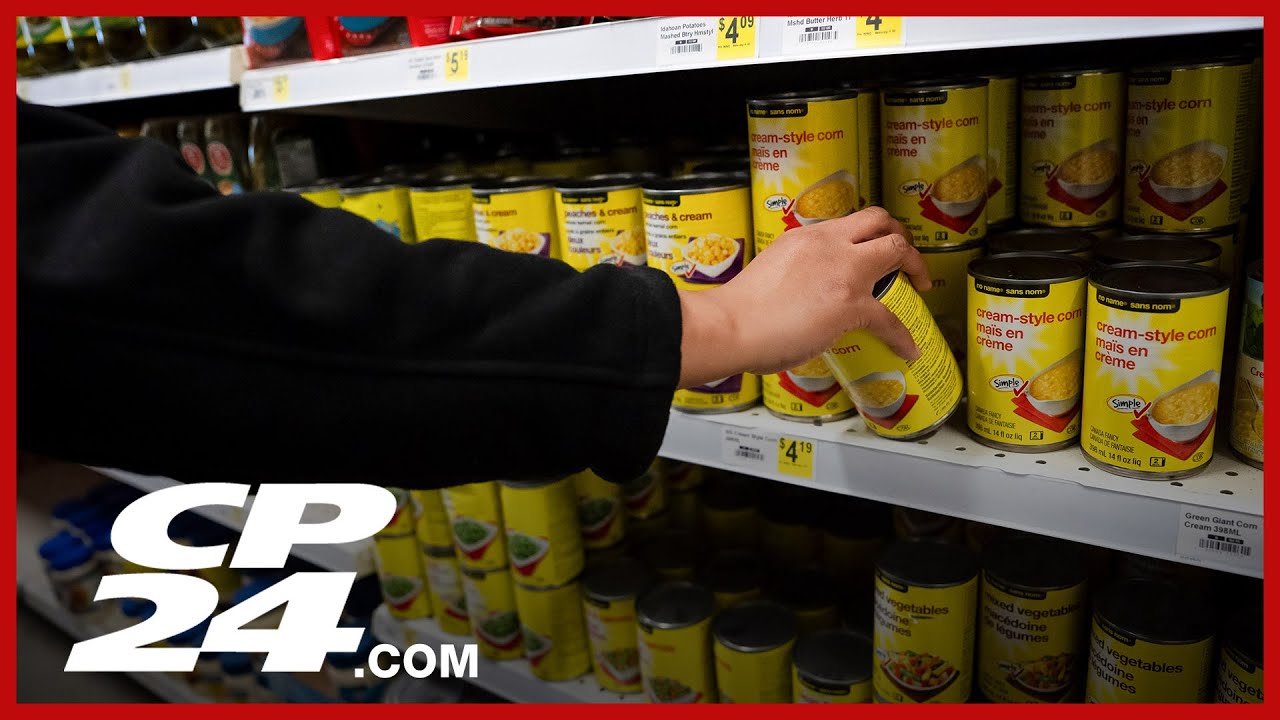
In the ever-evolving landscape of Canadian economic policy, the discourse around affordability continues to dominate headlines. This sentiment was palpably echoed in a recent discussion between Candid Carol and Bill Carroll, the host of "The Morning Rush" on 580 CFR News Talk Radio. Their conversation centered around the government’s recent announcement of a GST grocery rebate—a measure intended to alleviate some financial strain on Canadian families.
The initial response to this rebate was revealing. While one might expect widespread gratitude for a seemingly generous handout, Bill noted a notable discontent among the public. Many Canadians, he pointed out, perceive this one-time check as merely a temporary fix rather than a solution to systemic issues. "Yeah, well, that’ll help for now, but this has been a problem for years," Bill remarked, succinctly summarizing a sentiment that resonates with many Canadians grappling with rising costs.
At the heart of this discourse is a more profound concern: deep-rooted structural issues affecting food prices. Delving into the specifics, Bill highlighted the staggering increase in grocery costs, especially for basics such as beef. The conversations surrounding climate change and trade complications with the U.S. often get tangled in emotion and complexity, but Bill urges a more pragmatic approach. He asserted, “This is a Canadian problem made by Canadian governments,” citing years of policies that have not sufficiently addressed the affordability crisis.
One of Bill’s key points revolved around the nature of competition in the market. He challenged the government’s narrative of progress, pointing out that despite claims of breaking interprovincial trade barriers, many still remain. These barriers play a silent but significant role in pushing prices up at the grocery store. “People want real long-term solutions here,” he stated, emphasizing the need for structural reform in the agricultural and food sectors.
The short-term solutions, such as one-time rebates, might buy some relief, but they are not sustainable. Bill aptly described the GST check as a "band-aid solution"—an ephemeral fix to a chronic issue. With prices soaring and no clear indications that these trends will reverse, Canadians are left questioning the viability of current government strategies.
Further complicating the discussion are the broader implications of fiscal responsibility. Bill expressed concern over the trend of increasing debt to facilitate temporary aid. He referenced Mark Carney’s recent budget, which seemingly did not account for the hefty sum associated with the grocery rebate. Such oversights raise questions about long-term planning and the sustainability of Canada’s financial trajectory. As Bill humorously posited, "Um, where did Justin leave the Canada credit card? Where’s that credit card? We’ll just put it there."
This metaphor encapsulates the precarious balance between immediate relief and the far-reaching consequences of unfettered spending. The underlying challenge is that a focus on short-term measures risks exacerbating inflation in the long run. Bill’s apprehensions are not devoid of merit; unchecked spending can have adverse outcomes, particularly for those already struggling under the weight of rising prices.
As we look forward, the call for substantive change remains clear. Effective governmental policies should not just focus on transient measures but should aim to tackle underlying issues head-on. Canadians need assurance that their leaders are committed to fostering a competitive marketplace and removing unnecessary regulations that inflate prices.
The dialogue between Candid Carol and Bill Carroll serves as a microcosm of a much larger conversation about economic policy in Canada. Addressing affordability is not merely about distributing checks; it’s about implementing strategic reforms that ensure a thriving economy for all Canadians. As we navigate this complex landscape, let us hope that future discussions prioritize long-term solutions over short-term fixes.