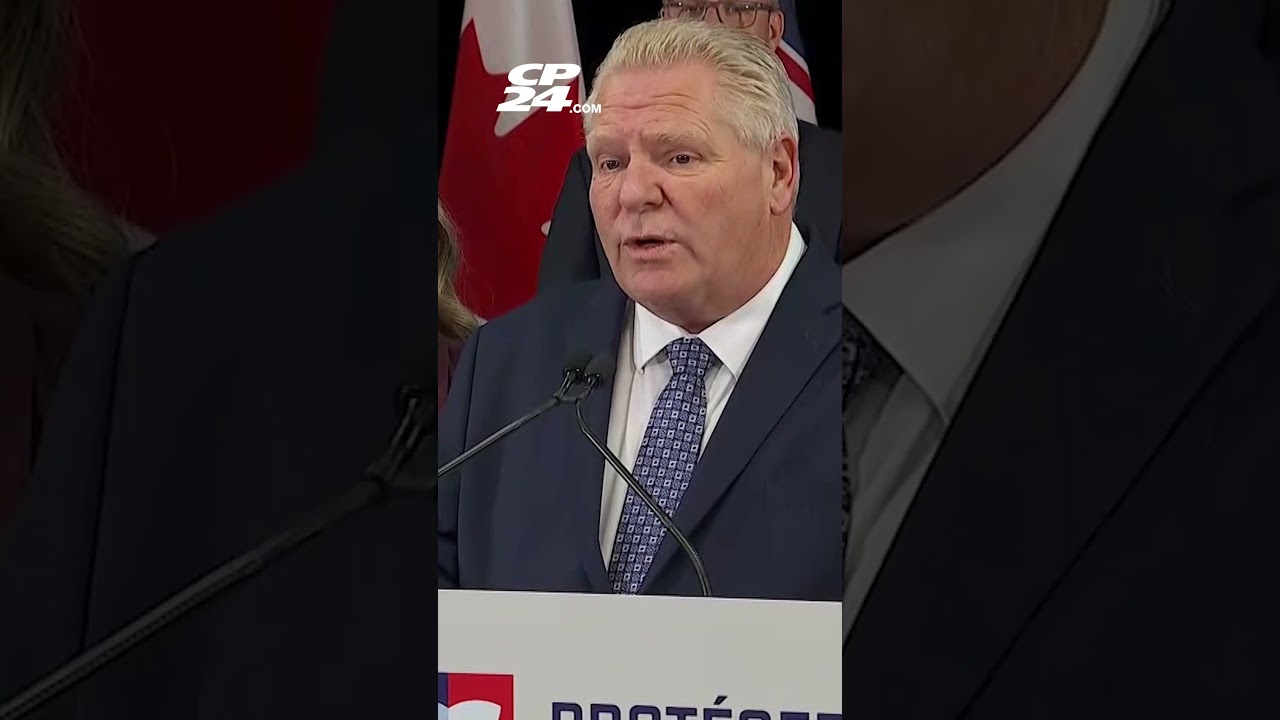
Protecting Canadian Workers Through Free Trade Initiatives
In recent months, the landscape of Canadian labor has been markedly influenced by external pressures, not least of which comes from the administration of President Donald Trump. His policies have sought to undermine Canadian workers in various provinces and sectors, from the automotive and steel industries in Ontario to the fisheries and forestry sectors in New Brunswick. Faced with this daunting challenge, Canadian premiers have unified their commitment to safeguarding jobs and boosting economic resilience within the country.
The core of their strategy revolves around the promotion of free trade—a principle that promises to enhance economic interactions among provinces and, by extension, open doors to international markets. The significance of free trade cannot be overstated. It is projected to inject approximately $200 billion into the Canadian economy, contributing an additional four to six percent to the nation’s GDP. Such figures symbolize more than mere numbers; they represent a myriad of new opportunities for workers and businesses alike.
Over the past year, collaborative efforts have been instrumental in this endeavor, with prominent figures such as Premier Hull joining forces with others to actualize genuine free trade within Canada. This initiative aims not just to facilitate the flow of goods and services among provinces but also to fortify Canadian industries against external economic pressures. The essence of these agreements lies in the belief that a united front makes Canada more robust, competitive, and capable of resisting adverse international forces, including tariffs imposed by the U.S.
A noteworthy achievement in this journey has been Ontario’s decision to eliminate all party-specific exceptions under the Canadian Free Trade Agreement. This step reflects a serious commitment to equitable trade practices throughout the country, thereby ensuring that the benefits of free trade are felt uniformly, rather than favoring specific political agendas. It is a move that emphasizes collective growth over individual or partisan interests, showcasing a deep-rooted dedication to prosperity for all Canadians.
The implications of free trade extend far beyond immediate economic gains. By fostering an environment where goods can flow freely across provincial borders, Canada is effectively creating a more interconnected marketplace. This not only promises enhanced competition but also ensures that Canadian products can reach new and potentially lucrative global markets, thereby benefiting consumers too. The less bureaucratic obstacles exist, the easier it will be for Canadian businesses to thrive.
Moreover, standing united against external pressures has its own merits. A coordinated effort among provincial leaders sends a clear message to international actors that Canada is resilient. Such unity serves as a powerful testament to the cooperative spirit present within the country, painting a picture of a nation prepared to defend its economic interests. As provinces come together, they can not only withstand external economic shocks more efficiently but also cultivate a sense of national solidarity that resonates across diverse sectors.
The endeavor to promote free trade is not without its challenges, however. Negotiating terms and conditions that satisfy all provinces requires strategic diplomacy and a willingness to compromise. Nevertheless, the potential rewards far outweigh the hurdles, making this pursuit a critical focus moving forward. With the promise of economic benefits accompanied by a stronger, more unified national standing, the benefits of free trade are becoming an increasingly palpable reality.
As Canada navigates the complexities of a shifting global economy and responds to external pressures, the focus on unlocking free trade could emerge as a stabilizing force. The proactive measures undertaken by premier leaders represent a strategic approach to both protecting Canadian workers and enhancing economic contextuality. By working collaboratively, they are not merely addressing immediate concerns; they are paving a sustainable pathway towards long-term resilience and growth for the Canadian workforce.
In conclusion, as external pressures loom and economic landscapes shift, Canada’s unified front with free trade at its helm offers a beacon of hope for workers across all provinces. It is a testament to the strength derived from cooperation, echoing a commitment not only to economic prosperity but to the continued protection of Canadian labor in an increasingly competitive global arena.