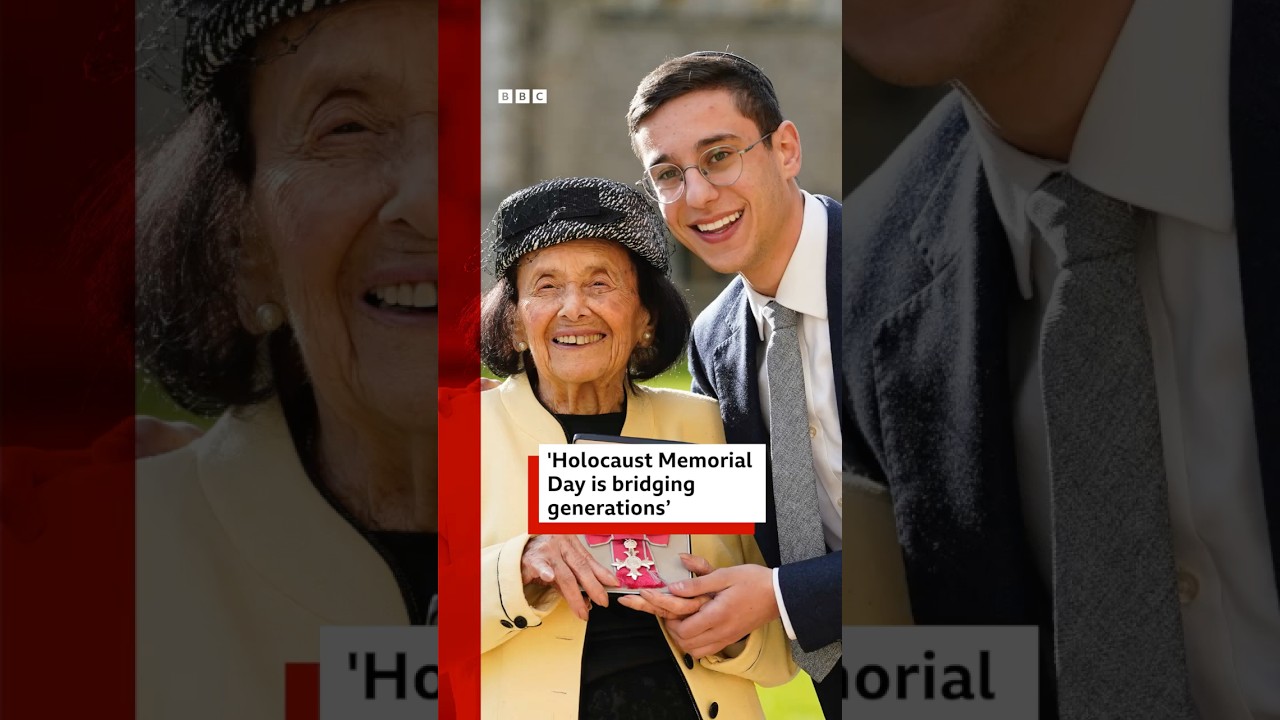
Bridging Generations: The Inescapable Holocaust Legacy
Holocaust Memorial Day serves as a solemn reminder of the past, inviting us to confront the horrors that led to one of history’s darkest chapters. The stories of survivors—like my great-grandmother—profoundly resonate across generations. Her experiences, heart-wrenching and harrowing, painted a vivid picture of the brutality she witnessed in places like the Alitz Burk canal, where she lost her mother and siblings. Sharing her story not only provided a cathartic release for her but forged a connection to the lessons that future generations must grasp.
Today, as we reflect on the theme of this year’s Holocaust Memorial Day—"Bridging the Generations"—the importance of education cannot be overstated. My father’s recent passing reminds me of the fragility of this mission. He dedicated his life to educating others about the Holocaust and the perils of anti-Semitism. As the torch is passed to us, it becomes crucial to ensure that the stories of those who lived through these experiences do not fade into obscurity.
The statistics we see, particularly regarding anti-Semitism, paint a troubling picture. Over the past three years, reports of anti-Jewish sentiment have surged. As a British Jew in 2026, I find it alarming yet necessary to voice a stark reality: I know no one among my friends who is 22 years old today who is not contemplating their future in this country. This contemplation is not born out of immediate fear but stems from a deeper concern regarding the legacy we leave for our descendants.
It is disheartening to witness the decline in schools recognizing Holocaust Memorial Day. As awareness diminishes, the lessons embedded within the Holocaust risk being forgotten. Historical narratives are not merely stories for contemplation; they serve as warnings. Anti-Semitism did not emerge in a vacuum, nor did it vanish with the end of World War II. This prejudice—like a virus—mutates and resurfaces in different forms, infecting society and eroding the very fabric of tolerance and understanding.
Addressing the resurgence of anti-Semitism requires a multifaceted approach. Education, empathy, and community engagement are vital components. Schools, in particular, play a crucial role in shaping young minds. When students learn about the Holocaust, they uncover not just the events but the moral imperatives that should guide their actions. The lessons extend beyond Jewish history; they act as a lens through which to view contemporary issues of discrimination and hatred.
Ensuring the stories of Holocaust survivors reach successive generations is a responsibility we must shoulder. The urgency of this task becomes even more pronounced in a world where social media can amplify hatred instantaneously. Responsible storytelling—rooted in factual representation and emotional honesty—has the potential to counterbalance this negativity.
Moreover, discussions about anti-Semitism should not be seen solely through the prism of historical events. They must also relate to the contemporary world. The tenets of our shared humanity demand compassion and understanding. When anti-Semitism is allowed to resurface, it serves as a warning sign that tolerance is fraying. The consequences of inaction are dire; history has shown us what can occur when discrimination goes unchallenged.
In conclusion, as we commemorate Holocaust Memorial Day, let us reaffirm our commitment to bridging the generations. The memories of survivors like my great-grandmother provide essential lessons that must be passed on. The echoes of their stories remind us that while the past is fixed, the future remains malleable. To ensure a world free from the scourge of anti-Semitism, we must educate, engage, and advocate for peace and understanding. The legacy of the Holocaust is not just a story of loss; it is a call to action for all of us to cultivate a society rooted in respect and love.