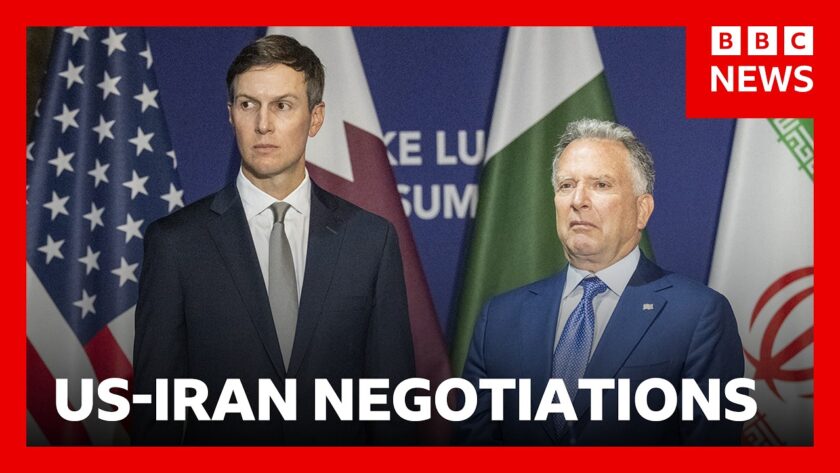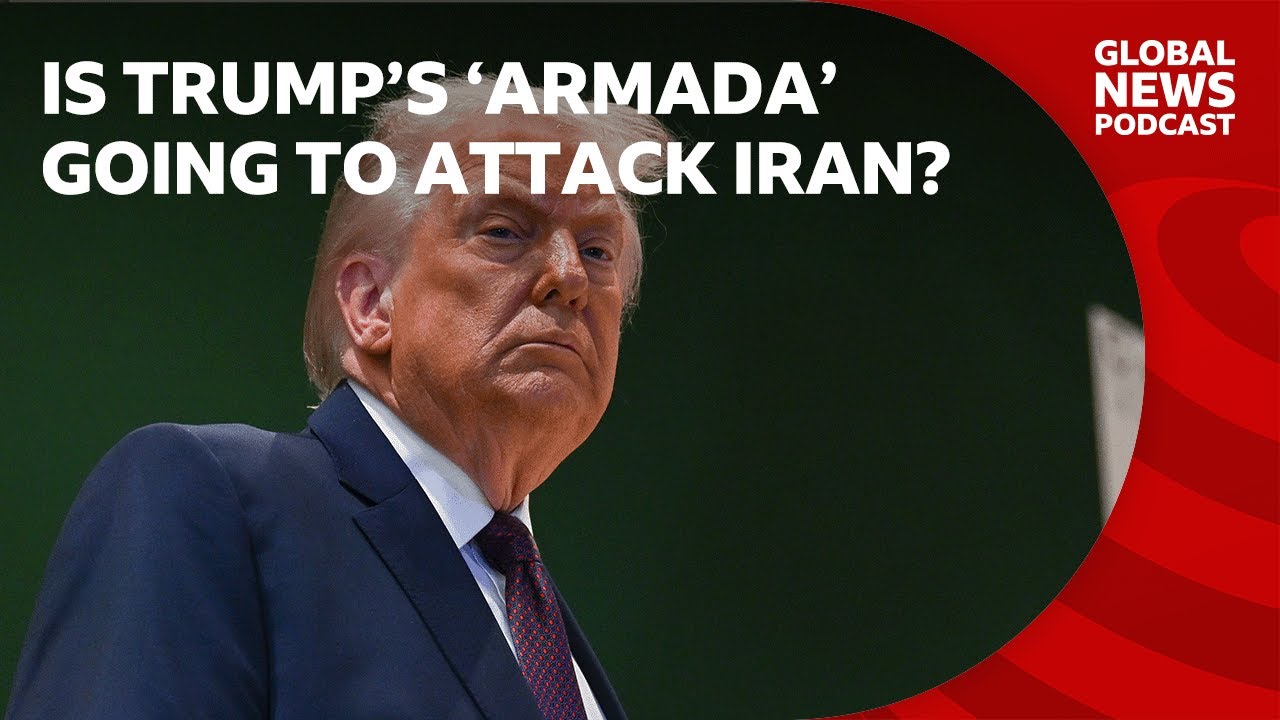
In a tense international landscape, President Trump’s recent comments regarding a “big armada” en route to Iran have raised eyebrows and ignited speculation. Following a severe crackdown on protests within Iran, the U.S. military’s strategic maneuvers have sparked concerns about escalating tensions in the region. Defense correspondent Jonathan Beal provides insight into this complicated situation, shedding light on the logistics and implications of this military deployment.
To begin, the term “armada” can be somewhat misleading. Beal clarifies that while President Trump’s rhetoric conveys a sense of significant military force, the actual size of this naval presence is likely less formidable than previous U.S. military operations in the Caribbean. For context, about 20% of the U.S. Navy was mobilized during the Venezuelan operation. Currently, the U.S. maintains a permanent naval presence in the Middle East. Three destroyers are already stationed in the region, suggesting that the arrival of the USS Abraham Lincoln strike group is the catalyst for the heightened rhetoric.
The strategic diversion of this carrier strike group from the South China Sea to the Middle East is not merely coincidental. The group had been re-routed in response to increasing tensions. Its arrival comes at a critical juncture, coinciding with President Trump’s commitment to support the Iranian people amid severe civil unrest. The U.S. military’s logistical positioning signals readiness, but the implications could be far-reaching.
The regional military buildup is not solely naval. Beal emphasizes the importance of the accompanying aerial assets. An influx of fighter jets, alongside transport aircraft equipped with air defense systems, indicates preparations for a multifaceted military presence aimed at both offensive and defensive capabilities. Iran’s extensive stockpile of short-range ballistic missiles adds another layer of complexity to the situation. While the U.S. has bolstered its forces, Iran’s capacity for retaliation remains significant and concerning.
Considering past military operations, particularly those targeting Iran’s nuclear program, the U.S. military’s tactics reveal a greater strategic landscape. The earlier Operation Midnight Hammer involved not only localized attacks but also long-range bombers launching from the continental U.S. This capacity remains, granting the U.S. an adaptable response framework depending on evolving circumstances.
Intelligence collaboration between the U.S. and allies, notably Israel, plays a crucial role in shaping operational strategies. Continuous surveillance and intelligence-gathering missions ensure that the U.S. military possesses up-to-date assessments of Iran’s capabilities and intentions. However, the effectiveness of these operations hinges on the ability to outmaneuver a dispersed Iranian military infrastructure that is likely taking precautions in anticipation of potential U.S. actions.
The potential for a military strike raises important questions regarding the objectives and outcomes. Simply targeting Iran’s nuclear sites may not deliver a decisive blow to the regime. The intricacies of regime survival complicate considerations, as internal unrest could compel the Iranian leadership to adopt aggressive retaliatory measures if they perceive existential threats.
Moreover, the geopolitical ramifications of a military engagement must not be underestimated. Allies such as Israel and Gulf states express caution, advocating against hasty decisions that could destabilize the regional balance. Trump’s reputation for favoring swift military resolutions adds another layer of urgency and complexity.
Ultimately, determining whether President Trump will authorize military action involves weighing numerous factors. His administration’s mixed signals—between diplomacy and military readiness—further complicate the landscape. The need for a clear and coherent strategy that encompasses regional vulnerabilities and global perceptions is paramount.
In conclusion, the situation unfolds within a broader context of historical enmities and current geopolitical calculations. While the Pentagon’s presence in the region signals readiness, the ultimate decision lies with leadership that must navigate a sea of complexities, from military might to diplomatic negotiations. The consequences of any military action would resonate far beyond immediate targets, impacting not only U.S.-Iran relations but also the stability of the entire region. As the world watches, the unfolding scenario highlights the delicate balance between power and diplomacy in addressing existing crises.