The Long-Awaited Opening of the Eglinton Crosstown LRT: A New Chapter Amid Controversy
As the Eglinton Crosstown Light Rail Transit (LRT) line prepares for its highly anticipated opening this Sunday, the shadows of its troubled past loom large. Premier Doug Ford has firmly dismissed calls for a public inquiry into the project, which has been plagued by delays and budget overruns since its inception. Originally slated to commence operations in 2020, the line is now more than six years behind schedule and over a billion dollars over budget.
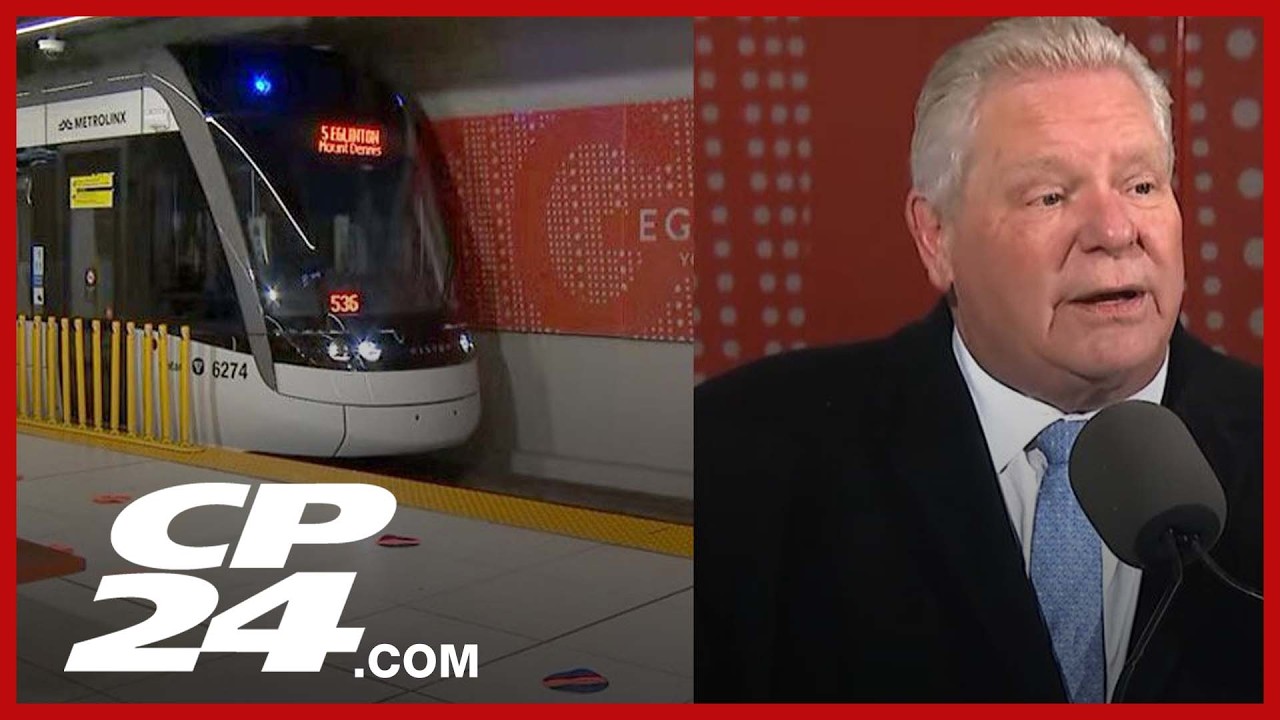
Situated near Victoria Park, reports indicate that LRT vehicles are currently conducting dress rehearsals, adding a layer of excitement to the impending launch. For residents and commuters in the area, the arrival of the Eglinton Crosstown LRT is a long-awaited milestone, one that promises to enhance transit access across Toronto.
However, this moment is not without its controversies. Local city councillors, including Josh Matlow, have been vocal about the need for accountability in light of the delays and escalating costs. "We need to investigate why it has been so over-budgeted," he argues, reflecting a sentiment shared by many community members. A resident who chose to remain anonymous expressed frustration over the drawn-out timeline of the project, stating, “One of the reasons I moved to Young and Eglinton was for the LRT, and it has not happened.”
Despite the public outcry and demand for an inquiry, Premier Ford remains resolute in his decision. During an announcement with officials from various levels of government, he acknowledged that mistakes had been made during the project’s development but emphasized a shift towards the future. "It’s time to look forward," he stated, reiterating his commitment to expediting the construction of other subway lines across the city.
Ford’s stance is met with skepticism by many critics who point out that transparency remains an issue. Responding to questions about the lack of a public inquiry, he argued, “We are transparent, and that’s a little offensive saying we aren’t. I’m out in the press more than any elected official in the country.” His declarations, however, have done little to quell the frustrations simmering among commuters and taxpayers, who have borne the financial brunt of the delays.
In the lead-up to the grand opening, there are mixed emotions among local residents. While the hope that the new line will improve transit in Toronto is evident, many are skeptical about whether the issues that plagued its development will be addressed. Critics worry that simply moving forward without thorough examination might lead to the same problems repeating in future projects.
Interestingly, some residents echo Ford’s sentiments that a public inquiry would be a futile endeavor. “Hopefully they learn from it,” said another bothered commuter, alluding to the lessons that have emerged from this drawn-out saga. Yet, this perspective, while pragmatic, underscores a lack of trust in the system designed to oversee such public infrastructure projects.
The Transit Development Corporation (TDC) is encouraging residents to experience the new line’s launch for free on opening day, promising a unique opportunity for people to explore its 25 stations along the 19-kilometer stretch. This limited-time offer aims to alleviate possible crowding at certain hubs like Mount Dennis and Kennedy, as excitement builds around this landmark occasion.
As the once-controversial Eglinton Crosstown LRT prepares to open its doors, it marks a significant addition to Toronto’s transit landscape. Yet, the discussions about operational transparency and accountability remain unresolved, underlining a broader conversation about governance, efficiency, and public trust in major infrastructure projects. How the government will address these issues as operations commence remains to be seen. The future of transit in Toronto may depend on it.