The Controversy Surrounding Presidential Social Media Posts: A Dive into Racism and Distraction
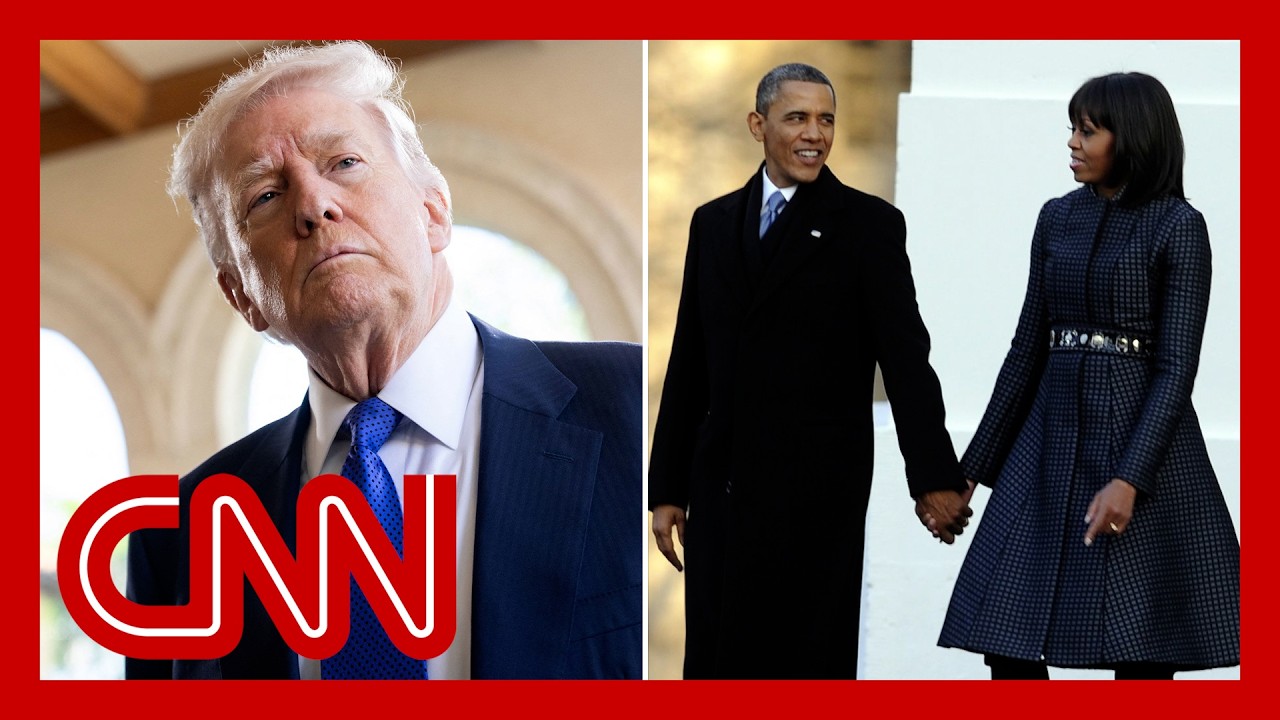
In recent weeks, the political landscape shifted dramatically when a controversial post from the President of the United States surfaced, drawing bipartisan criticism for its offensive imagery. Initially, the post featured the faces of former President Barack Obama and former First Lady Michelle Obama superimposed onto the bodies of apes—a blatant act many decried as racist. This incident not only reignited discussions about the prevalence of racism in contemporary American politics but also underscored the role social media plays as both a communication tool and a platform for polarizing content.
The President’s response to the backlash was telling. Despite pressure, he firmly stated that he would not be apologizing for the post, reinforcing a pattern of defiance that has characterized much of his presidency. Following the outcry, the post was removed after approximately twelve hours—a delay that prompted further scrutiny of the White House’s handling of its social media presence. The initial defense came from Press Secretary Caroline Levit, who portrayed the meme as merely a satirical take on the political landscape. However, as condemnation mounted—most notably from Republican Senator Tim Scott, who termed the post “the most racist thing out of this White House”—it became clear that the administration was losing credibility with both allies and adversaries.
Ironically, the White House’s attempt to distance itself from the harmful content became a focal point of discussion. Some staffers allegedly tried to absolve the administration by blaming a young staffer for the post. Critics pointed out the absurdity of this excuse, given that the President regularly engages directly with his social media accounts. Notably, he has a track record of posting incendiary content unfiltered by his team—what makes this incident different, they questioned, is that it sparked a significant backlash.
The ramifications of such a gross misstep cannot be understated. Many commentators speculated that the President’s decision to post such inflammatory content was a strategic distraction from pressing issues facing his administration, such as rising joblessness—echoing a trend of using provocative statements to shift public discourse. The timing of the post coincided with reports of discontent regarding immigration policies, further suggesting a deliberate attempt to divert attention from unpopular actions made by his administration.
This incident taps into a broader context of systemic racism that has emerged as a hallmark of the President’s political narrative. His rise to power has often involved appeals to racially charged sentiments, fostering a culture where divisive imagery and language frequently permeate public discourse. From the inception of his candidacy, predicated on the birther movement questioning Obama’s legitimacy, to the present day, troubling racial undertones have remained ever-present.
Scholars and commentators have asserted that the refusal to acknowledge wrongdoing reflects a deeper insecurity inherent in the President’s character. The unwillingness to apologize or accept responsibility not only diminishes his credibility but also reveals an inability to resist engaging in racially derogatory behavior. As noted by Cornell William Brooks, a Harvard University professor, this behavior undermines the intelligence and humanity of not just marginalized communities but also the supporters who find such rhetoric appealing.
The intersection of social media and racially charged politics presents a unique challenge in contemporary governance. The immediacy of platforms like Twitter amplifies the potential for inciting divisions among the electorate, leading to a further erosion of public trust in leadership. As the political landscape continues to evolve, the implications of this incident serve as a stark reminder of the power and responsibility that come with holding the highest office in the land.
Moving forward, the true test will be whether this incident prompts a reevaluation of the narratives that dominate mainstream political discourse. As voters grapple with the need for ethical leadership, incidents like this may spur a demand for accountability and responsibility that transcends party lines. In a nation that prides itself on democratic ideals, it is crucial to confront not only the overt expressions of racism but also the insidious ways it manifests within the political apparatus.