Tensions Rise as U.S. Naval Buildup Nears Iran
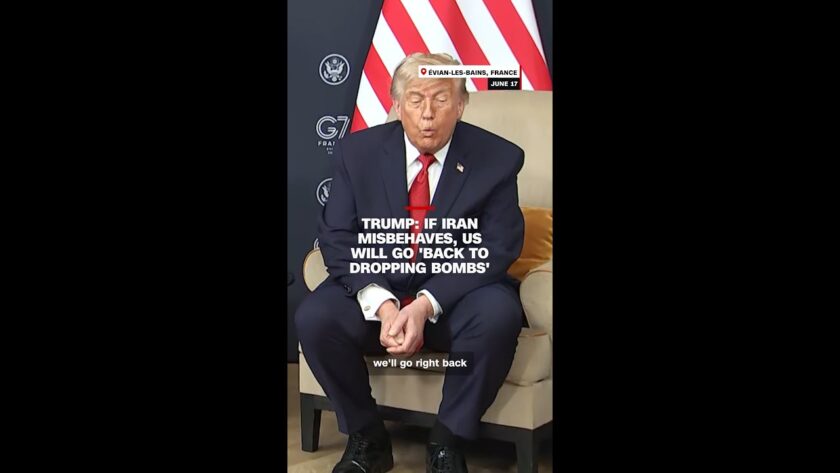
The geopolitical landscape in the Middle East is becoming increasingly volatile, evidenced by the rapid deployment of U.S. military assets in close proximity to Iran. Recent statements from former President Donald Trump have intensified these tensions, as he has threatened military action if Tehran does not engage in negotiations within a stipulated ten-day timeframe.
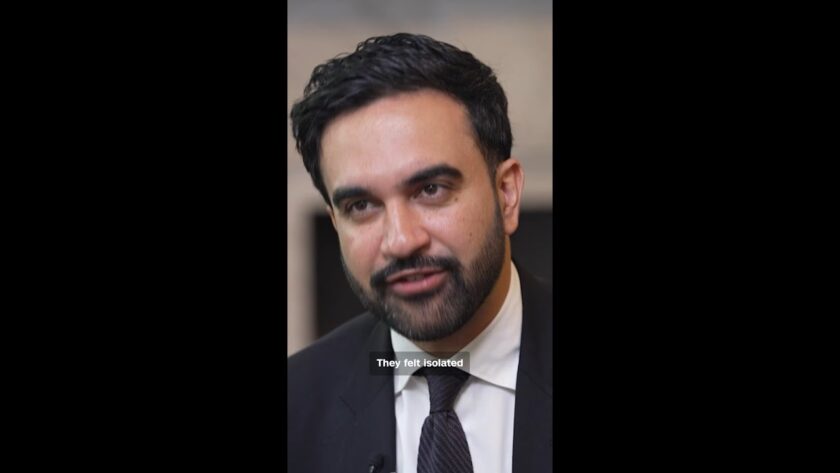
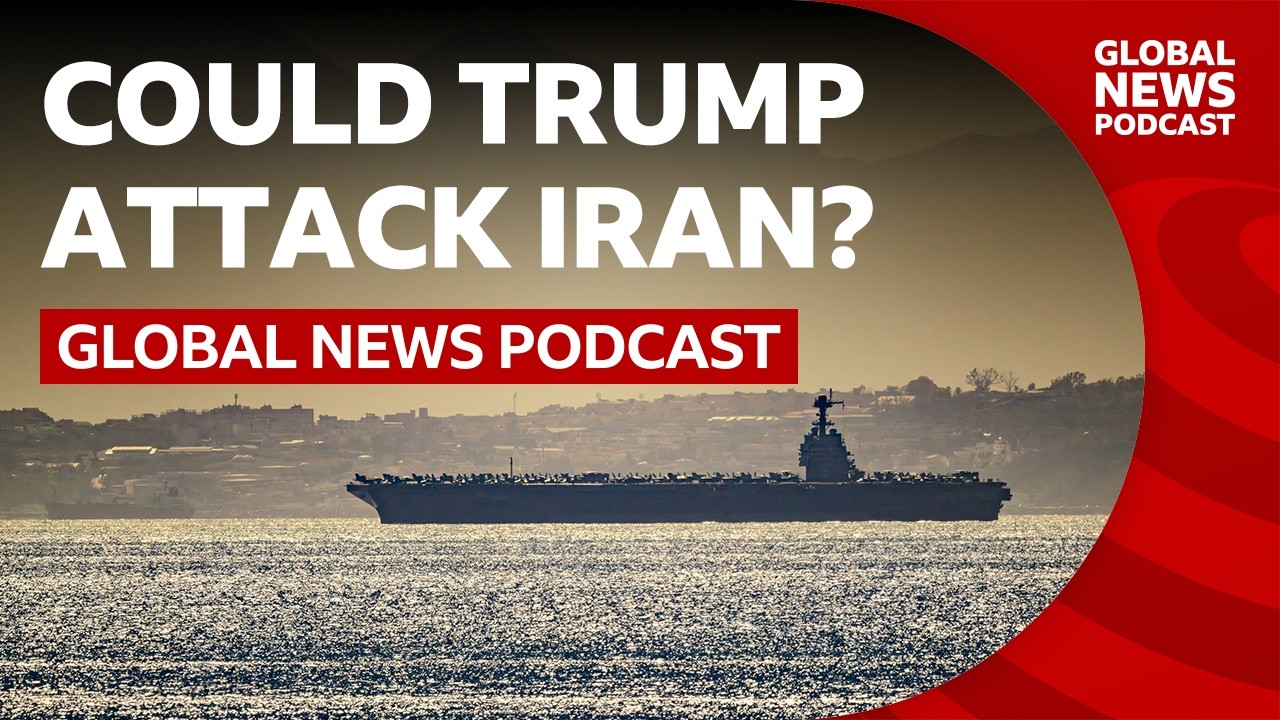
Merlin Thomas from BBC Verify has been monitoring this military buildup closely, noting that U.S. forces have been arriving in the region for weeks. The pinnacle of this increase in military presence is the USS Gerald R. Ford, the largest aircraft carrier in the world. Recent verification through satellite imagery confirmed that it crossed the Strait of Gibraltar and is now positioned in the Mediterranean, alongside the USS Abraham Lincoln, which is stationed approximately 240 kilometers off the Omani coast. Both carriers are at the helm of expansive strike groups boasting numerous destroyers, aircraft, and thousands of personnel, all poised for action.
Historically, the Gerald R. Ford has played a pivotal role in operations like those against Nicolás Maduro in Venezuela. However, military analysts argue that the current situation presents a vastly different context and level of operational complexity. The campaign against Maduro, although audacious, involved a focused goal of capturing a political leader and occurred within a regional context. In contrast, the assets now deployed near Iran suggest preparations for a more extensive and potentially devastating military engagement.
While it is unclear what specific course of action the U.S. intends to pursue, experts warn that the capabilities surrounding these naval assets significantly outweigh Iranian defenses. Reports indicate they could execute up to 800 strikes per day—a staggering figure that could neutralize any Iranian counter-offensive swiftly. This capability raises the stakes dramatically, leading to speculation that Trump’s rhetoric may serve primarily as a deterrent, intended to coax Iran back to the negotiating table for a revised nuclear deal.
Yet, the option of a more surgical military intervention akin to past operations seems increasingly tenuous. Such an approach would likely necessitate ground support, which is not currently indicated in the strategic deployments made so far. As it stands, the U.S. is poised to implement a broad-spectrum military operation should diplomatic avenues collapse.
Iran’s response to these threats has been one of visible defiance. The Iranian government has publicly stated that it interprets any attack as an act of aggression and has ramped up its military readiness through naval drills in collaboration with Russia. These exercises are designed to showcase Iran’s ability to respond if necessary, yet experts suggest that the disparity in military prowess between the two nations resembles a David-versus-Goliath scenario. Iran’s existing defenses may not suffice against the sheer scale of American military might that has been strategically organized in the region.
Trump’s ultimatum has amplified the uncertainty in these events. His insistence that Iran has ten days to negotiate raises questions not only about his intent but also about the potential ramifications of a sustained military confrontation. Whether Trump’s approach is genuinely aimed at fostering a deal or if it masks an underlying strategy for more drastic military action remains to be seen.
Additionally, prior military operations, such as Operation Midnight Hammer, aimed at crippling Iran’s nuclear program, had mixed outcomes. Recent reports suggest that many of the targeted nuclear facilities have undergone fortification, complicating any future strikes. Analysts are cautious, noting that while such sites could still be considered targets, the current U.S. operational focus may likely shift toward high-value personnel or other strategic assets within Iran.
As the situation unfolds, the global community watches anxiously. The potential for military confrontation looms large, bringing with it the specter of destabilization that could reverberate far beyond the immediate geographic theater. The coming days are crucial, as both nations grapple with the precarious balance of negotiation and military readiness, characterized by the weighty question of whether diplomacy can prevail in the face of rising military tensions.