The Battle Over Billy Bishop Airport: Provincial Ambitions Clash with Municipal Control
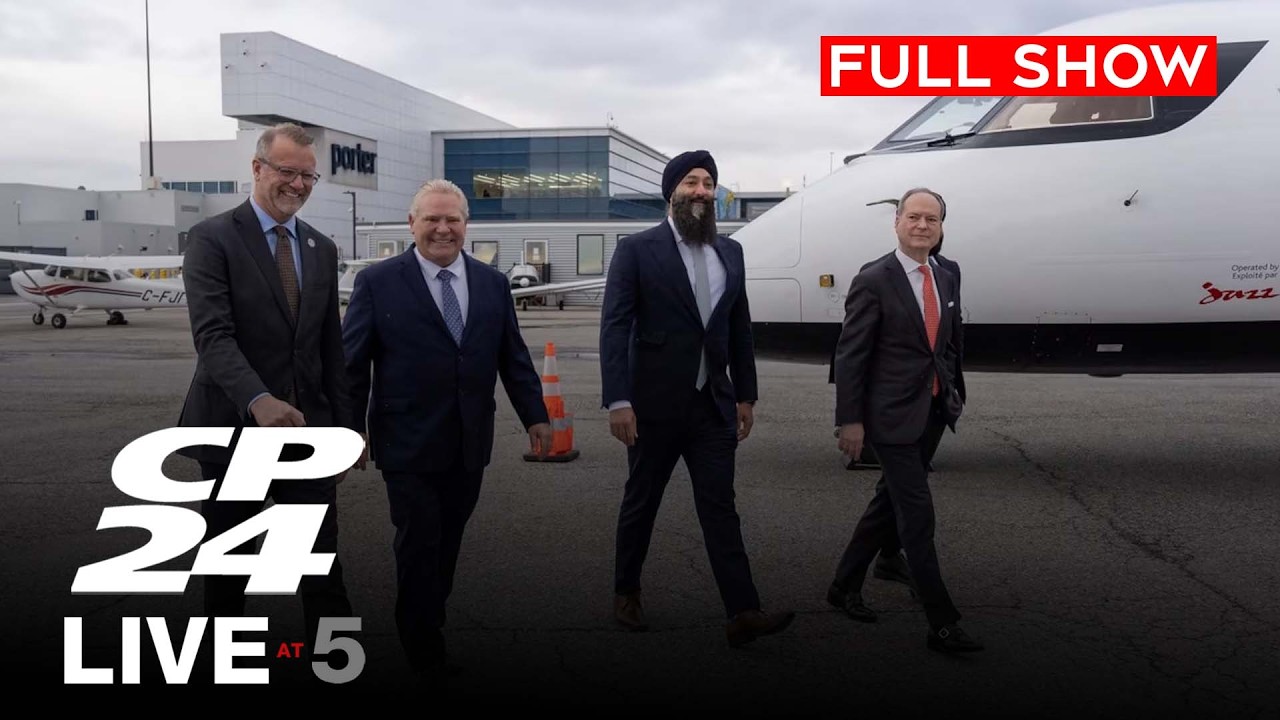
The Ford government’s recent legislative maneuvers concerning Billy Bishop Airport have ignited a contentious debate between provincial ambitions and municipal governance. On the agenda is the proposed Building Billy Bishop Airport Act, which, if passed, would enable the province to take over the city’s stake in the tripartite agreement currently governing the airport. This move not only involves the transfer of ownership of city-owned land at the airport but also promises modernization efforts that could allow larger jets to operate.
Premier Doug Ford has articulated his vision, emphasizing the need for enhanced access to air travel options. According to Ford, achieving greater connectivity for remote communities and ensuring competition in the airline market justifies the provincial intervention. Nonetheless, the initiative faces staunch opposition from Toronto Mayor Olivia Chow and city council, who characterize the move as an unacceptable land grab. Chow’s vehement stance underscores the perceived risk of eroding municipal governance and community rights.
A Municipal Response to Provincial Overreach
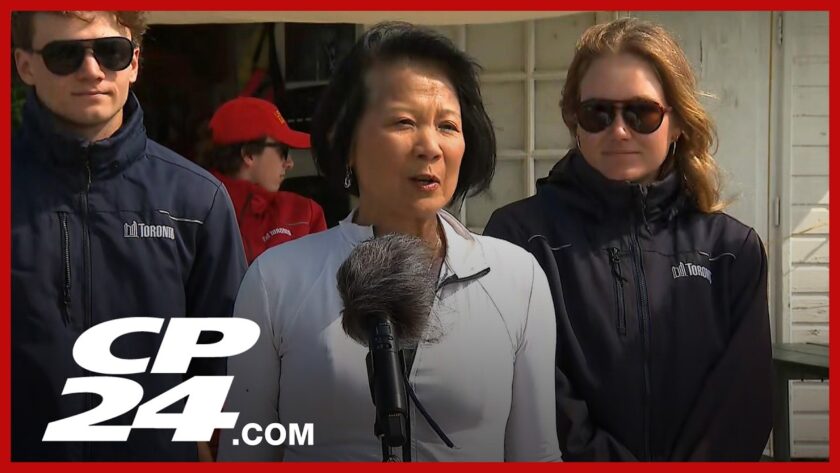
In a recent council meeting, Mayor Chow voiced her concerns clearly. Framing the act as a "unilateral land grab," she pointedly remarked that the province is disregarding the democratic voice of a city council representing over three million residents. Chow has rallied support for a motion opposing the legislation. Her concerns extend beyond the airport itself, highlighting the impact on public spaces like Little Norway Park, where the province aims to utilize one-third of the land for airport expansion.
The urgency of her motion reflects the broader implications of the province’s aims. Chow has stated, “They are taking our land, paving our park, and leaving Torontonians with no say." This strong language underscores the deep anxieties surrounding the preservation of community spaces and governmental accountability.
City councilors have since voiced their support for Chow’s motion, with discussions prompted by the provincial government’s abrupt introduction of the act. Critics, including Deputy Mayor Osma Malik, have questioned the lack of transparency from the province, emphasizing that specific future plans for both the airport and the impacted public land have yet to be shared with the public.
The Political Landscape: 2019’s Expansion and Upcoming Elections
The stakes are high, particularly as the city gears up for its municipal election in May. The debate surrounding Billy Bishop Airport has already become a litmus test for candidates, reflecting broader issues of governance and representation. One mayoral candidate, Councillor Bradford, acknowledged the airport’s significance for Toronto’s infrastructure but expressed a desire for cooperative planning between municipal, provincial, and federal stakeholders.
The political discourse is not merely a struggle between Ford’s government and Toronto’s city council; it also incorporates elements of public safety and community welfare—critical talking points ahead of the upcoming elections.
Broader Implications and Community Concerns
As the situation unfolds, it is essential to consider the broader implications of the province’s actions. Critics have raised alarms about the long-term sustainability of community spaces if provincial interests supersede local rights. What may appear to be an infrastructural enhancement on the surface could, in fact, set a precedent for future provincial overreach—prompting worries that similar actions may occur in neighborhoods across Ontario.
In conjunction with the airport’s expansion plans, recent legislative changes to freedom of information laws have further sparked public outcry. The Ford government has pushed through an omnibus budget bill that includes significant alterations, drawing accusations of shielding government actions from public scrutiny. Such measures might serve to complicate the already tense relationship between residents and government entities.
Conclusion: The Future of Billy Bishop Airport and Toronto’s Urban Landscape
As discussions continue and tensions mount, the future of Billy Bishop Airport is indicative of a larger struggle over urban governance in Ontario. The interplay between provincial initiatives and municipal responses will likely shape Toronto’s urban landscape for years to come. The juxtaposition of aerial expansion—characterized by modern conveniences and greater connectivity—against the preservation of vital community resources encapsulates a conflict at the heart of modern city planning.
In the coming weeks, as the city council mobilizes against the province’s proposed takeover, all eyes will be on public sentiment and political maneuvering. Will the Ford government successfully assert its will over the city, or will Mayor Chow and her supporters manage to preserve local autonomy? The outcome of this legislative battle could redefine the relationship between Ontario’s provincial and municipal governments, serving as both a warning and a lesson for future governance.