The Rise of Clavicular: Unpacking the Influence of a Digital Phenomenon
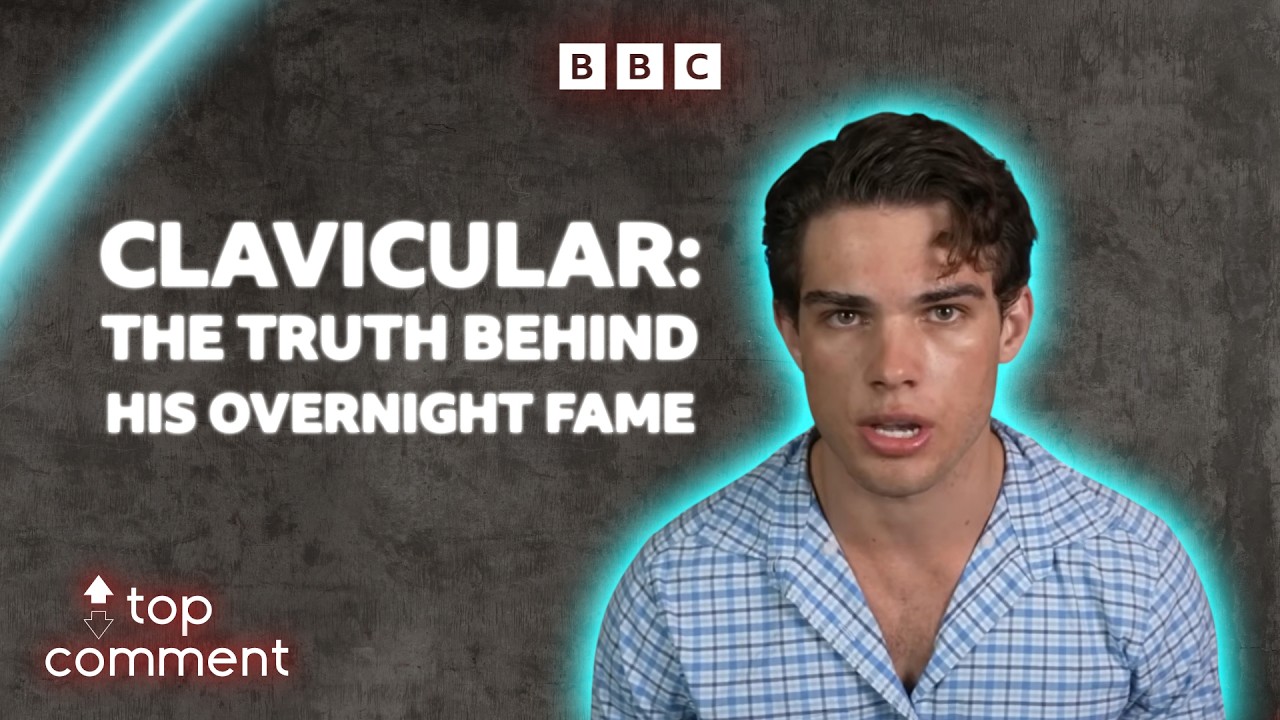
In recent months, Clavicular, the online persona of Braden Peters, has emerged as a controversial figure, especially within the realms of the manosphere and “looks maxing.” At just 20 years of age, Peters has garnered significant attention, dominating social media feeds and attracting extensive media coverage. While some perceive Clavicular as a representation of young men’s obsession with physical appearance, a deeper exploration reveals the intricacies of his rise and the troubling implications it holds.
Clavicular’s name references the clavicle—an anatomical detail that holds significance in the world of looks maxing. This ideology, which stems from the involuntary celibate (incel) community, promotes the idea that physical appearance is paramount in the dating world. Those involved in looks maxing believe they operate within a "sexual marketplace," where one’s mating opportunities are dictated solely by genetic quality and wealth. This perspective is not only superficial but deeply troubling, particularly as it preys on vulnerable young men, typically those grappling with insecurity.
The online community surrounding Clavicular is often rife with extreme practices. Followers may resort to dangerous methods, ranging from bone manipulation to the use of questionable substances like testosterone and steroids, all in pursuit of a more aesthetically pleasing appearance. Peters himself has discussed extreme efforts he’s undertaken, such as taking testosterone at a young age, which he claims has resulted in infertility. His journey raises alarm about the increasing normalization of body dysmorphia among young men in an era dominated by social media.
Clavicular’s vocabulary adds another layer of complexity to this phenomenon. Terms like “frame mogging,” which refers to asserting physical dominance, contribute to a subculture characterized by its own jargon. Such language not only cultivates a sense of belonging among followers but also entwines them in a web of shared beliefs that often verge on toxic masculinity. Observers note that, despite their apparent absurdity, these terms can go viral. Many engage with Clavicular’s content ironically, sharing clips that exploit the delirium of this niche culture, contributing to his rapid ascension within online spaces.
His rise closely mirrors that of other inflammatory figures, such as Andrew Tate. To understand Clavicular’s trajectory, one must examine his interactions with platforms like Kick—a controversial streaming service known for its lax oversight and connection to the cryptocurrency gambling industry. Peters’s content, often promoted through a network of dedicated "clippers," delivers bite-sized pieces designed to generate outrage and clicks. This systematic exploitation of algorithmic engagement presents a concerning model of how infamy can be monetized.
But it doesn’t end there. Clavicular has also begun selling a course aimed at young men desperate to “ascend” in the looks-maxing hierarchy, with claims that those who participate will dramatically improve their chances in dating. The course, priced at $49 a month, provides dubious advice that veers into the realm of manipulation and coercion. In essence, it promotes a predatory mindset toward interpersonal relationships, attempting to teach followers how to alter their appearances to attract women.
Clavicular’s rhetoric is riddled with contradictions. While he seems to embody the essence of the incel movement—believing that young men are inherently disadvantaged in love—he also asserts that transformation is possible through adherence to his teachings. This post-incel framework posits that individuals can change their perceived “sexual marketplace value” with the right techniques and tools. It is a narrative that prioritizes superficial improvements while dismissing the fundamental complexities of human relationships.
Moreover, Peters’s collaboration with prominent and polarizing figures further elevates his visibility. His alignment with figures such as Andrew Tate not only legitimizes his extreme behavior within certain circles but also perpetuates an ecosystem where toxic masculinity thrives. The shocking statements made during public appearances often serve as clickbait, effectively reinforcing the digital feedback loop that rewards outrageous content.
As Clavicular continues to gain traction, important questions arise about accountability and the ethics of online engagement. In an age where sensationalism often trumps substance, his brand rests on a troubling nihilism. Unlike prior eras of influencer culture, where personality could often deflect controversy, today’s climate rewards those who amplify their more incendiary attributes, sterilizing any sense of shame or consequence.
Ultimately, Clavicular’s popularity is not indicative of a genuine movement among young men but rather a symptom of a larger societal issue. Society must grapple with the implications of fostering figures who thrive on division and superficiality, especially as they morph into something more dangerous and entrenched. The trajectory of Clavicular serves as a cautionary tale, urging a critical examination of the forces shaping online communities in the 21st century.