Escalating Tensions: The Crisis in Iran and Its Regional Ramifications
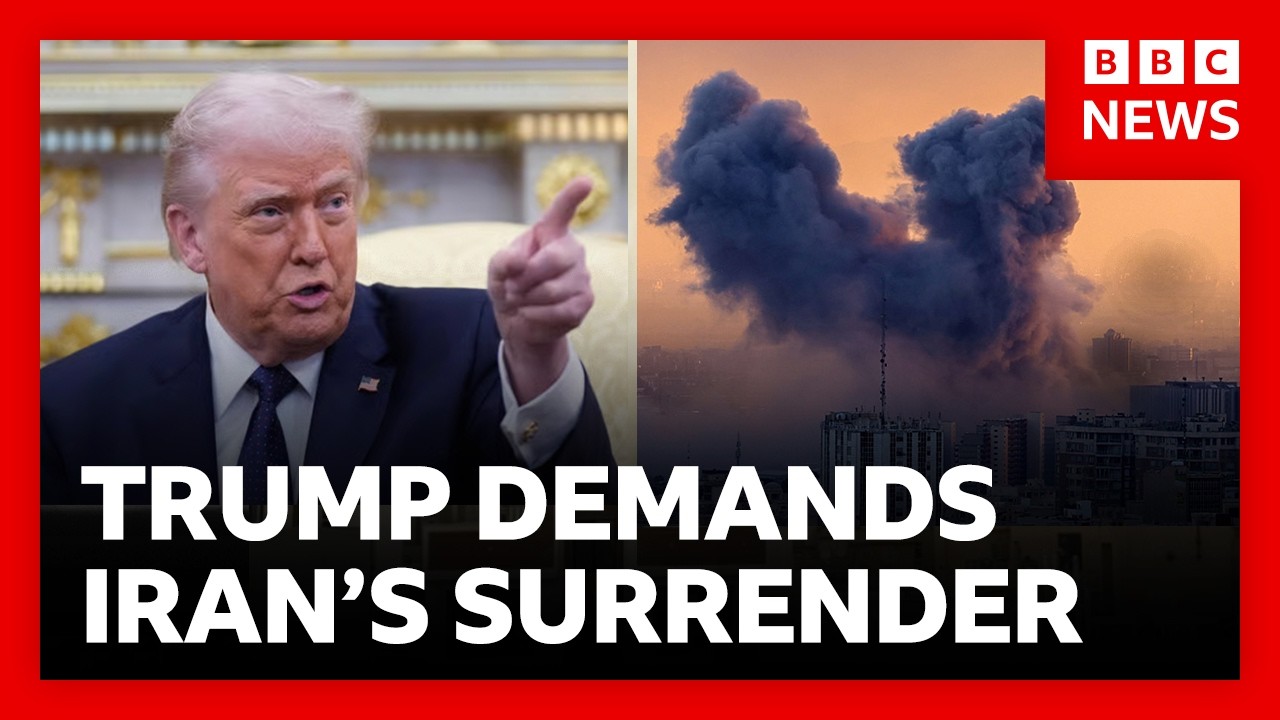
In a dramatic escalation of military conflict, President Trump has called upon the Iranian regime to surrender, urging the nation’s military forces and civilians to rise against the clerical leadership. This unprecedented call for upheaval signals a stark change in the U.S. approach to Iran, reinforcing the complexities of a rapidly deteriorating geopolitical situation.
The tragic reality on the ground in Iran is increasingly dire. Reports indicate that panic has gripped the population as airstrikes by U.S. and Israeli forces intensify. Explosions echo through the streets of Tehran, leading many citizens to pack their belongings and flee the city. An urgent sentiment echoes among those in the capital: fear permeates every aspect of daily life. Iranian authorities insist that they did not instigate the conflict, characterizing the bombardments as inexplicable acts of aggression rather than defensive maneuvers.
Meanwhile, the retaliatory strikes from Iran have surged, targeting regions housing U.S. military installations, particularly in neighboring countries like Saudi Arabia. In apparent response to the air offensive, Iran has unleashed missiles toward Tel Aviv, forcing civilians into makeshift shelters as air raid sirens disrupt any semblance of normalcy. The trajectory of this conflict seems only to deepen with each passing hour.
In Western capitals, the response has been mixed. British Prime Minister Rishi Sunak announced additional military support and defensive measures in the Middle East, including the deployment of Typhoon fighter jets to Qatar. Yet, criticism mounts about the pace and clarity of the UK’s actions, especially as thousands of British nationals find themselves stranded in volatile regions. The government is orchestrating evacuation flights, though logistics remain a significant hurdle.
As President Trump asserts that U.S. forces are "ahead of schedule," a concerning pattern emerges. His rhetoric suggests that the conflict may not aim for total regime change in Iran, but rather a strategic decapitation of leadership. Trump’s insistence on having a decisive role in the appointment of Iran’s next leader reveals a willingness to meddle directly in a nation’s sovereign affairs. He has even expressed his disdain for potential successors like Moshtaba Khamenei, a hardline cleric and son of the late supreme leader, stating that such a choice would only exacerbate future tensions.
The effects of this conflict ripple far beyond Iran’s borders. Neighboring countries, including Azerbaijan and the United Arab Emirates, are now entangled in the turmoil, with drone and missile strikes reported on their territories. For residents of Dubai, the serene facade of their city has cracked under the threat of missile warnings and the vigilance needed to ensure their safety. The UAE now grapples with intensified security protocols to counteract Iranian aggression.
International law complicates matters further. The attack on Iran has reignited debates regarding legality, as the United States has not explicitly cited imminent threats that could justify such military actions under international regulations. While Article 51 of the UN Charter allows for self-defense, the lack of transparency surrounding the United States’ rationale raises questions about legitimacy and proportionality in military engagement.
Iranians caught in this crossfire express a deep-seated disillusionment with their own government amid the chaos. Interviews with civilians reveal a pervasive sense of helplessness, where even the prospect of regime change offers little solace in the face of impending violence. For these individuals, survival takes precedence over broader political ambitions or ideological fervor.
As the second week of conflict approaches, the futures of both Iran and the broader Middle East remain uncertain. The recent military engagements have underscored entrenched divisions and a profound need for diplomacy—a necessity that seems increasingly elusive. Each missile launched and every call to arms deepens the rift, further complicating an already fractured landscape. Without a concerted effort towards negotiation, the risk of broader escalation looms ever larger on the horizon.
The world watches as the situation unfolds, questioning not only the immediate implications for peace in the region but also the future of international norms regarding state sovereignty and military intervention. The calls for unity from both the Iranian people and international observers echo a singular hope: to reclaim stability from the grasp of chaos.