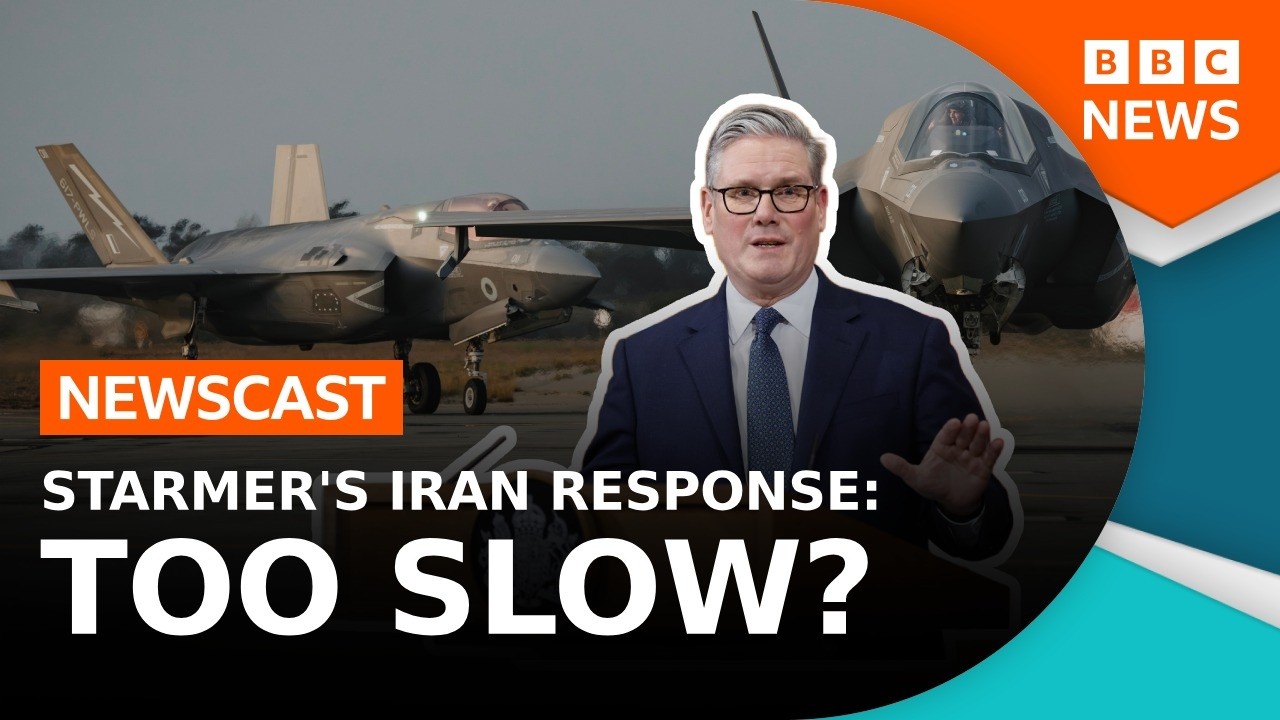
Understanding the Complexities of the UK’s Stance on Iran: A Political Analysis
In the turbulent landscape of international relations, the recent press briefing by UK Prime Minister Keir Starmer regarding Iran has stirred significant political discourse. Amid escalating tensions in the Middle East, the Prime Minister aimed to clarify the UK’s position on military involvement, particularly concerning the United States’ operations.
Lucy Fischer, the host of the Financial Times’ Political Fix podcast, provided insightful commentary during a recent broadcast, emphasizing the dual purpose of Starmer’s press conference. Firstly, it served to counter critics questioning his decisiveness in handling the UK’s foreign policy regarding Iran. Secondly, the alarming situation of hundreds of thousands of British citizens stranded in conflict zones necessitated transparency and reassurance from the government.
The Prime Minister’s comments indicated a deliberate decision not to engage directly in offensive military actions but to allow US forces to utilize British air bases. This nuanced position sparked confusion, suggesting that while the UK deems airstrikes on Iranian missile depots legal, it would not actively partake in these military operations. Fischer highlighted the strategic imperative behind this stance, noting that Starmer aimed to stress the UK’s non-combat role while providing updates on the Foreign Office’s efforts to repatriate vulnerable citizens.
As discussions unfolded, it became evident that Starmer’s administration faces considerable internal discord. Reports emerged of a cabinet meeting where influential figures, led by Ed Miliband, opposed the initial proposal to allow US military access to UK bases. Although Starmer refrained from confirming the details, his careful wording at the press conference underscored a fragile political authority amid burgeoning skepticism about his leadership.
Critically, Fischer noted the mounting public opinion against active UK military involvement in the conflict. Polling data revealed that only a small fraction of the UK population supports direct participation in attacks, indicating that Starmer’s strategy is, at least on the surface, aligned with public sentiment. Yet, the palpable dissatisfaction from various quarters—including British allies—about the perceived sluggishness of the response raises concerns about the effectiveness of the government’s approach.
Mikey Kay from the BBC Security Brief brought an important security perspective to the discussion, pointing out the potential vulnerabilities in UK military infrastructure. The strategic decision to announce the utilization of British bases while neglecting to bolster air defenses beforehand raised eyebrows. Kay argued that such a revelation would inevitably place these bases on Iran’s target list, exposing them to heightened danger.
Furthermore, the conversation veered into the realm of drone warfare, particularly the increasing threat posed by Iranian-aggressively produced drones. As revealed during the broadcast, the Shahed-136 drone—both a cost-effective menace and a psychological weapon—has raised serious concerns among UK and allied defense establishments. The notion that the UK must allocate extensive resources for counter-drone systems against a swarm of relatively inexpensive Iranian drones speaks volumes about the shifting dynamics of modern warfare.
Fischer concluded the discussion by drawing parallels between Starmer’s current predicament and previous instances in British political history. She suggested that the internal divisions within the Labour Party and the broader challenges in commanding a unified response to international crises resonate deeply with earlier political episodes, most notably during Miliband’s tenure.
In this complex narrative, the UK’s diplomacy and defense strategies in the face of Iranian provocations underscore the intricate balancing act of maintaining sovereignty while navigating international alliances. The overarching challenge remains: how can the UK assert its position without undermining its strategic partnerships or compromising the safety of its citizens? It is a question that will undoubtedly shape the political landscape for the foreseeable future. The complexities of this geopolitical chess match demand not only clarity of purpose but also steadfast resolve from the UK government as it finds its footing amidst escalating global tensions.