The Escalation of Conflict: A Focus on the Iran Crisis
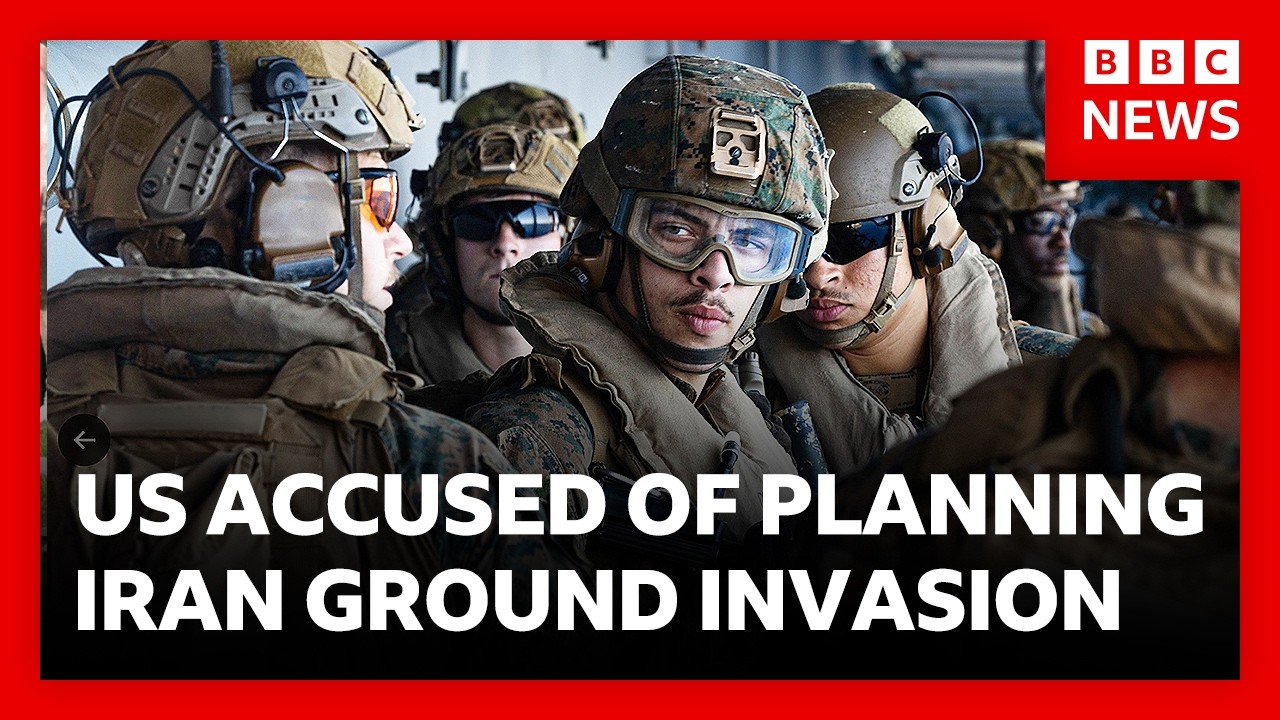
As the Israel-American coalition’s military operations continue against Iran, the conflict has now entered its fifth week, intensifying the geopolitical climate in the Middle East. The recent deployment of approximately 3,500 U.S. Marines and soldiers to the Persian Gulf has sparked allegations from Tehran accusing Washington of planning an invasion. In stark contrast, the U.S. has threatened military retaliation, warning that any attack on American forces will be met with severe consequences. This complex scenario illustrates the shifting balance of power and the looming threat of wider conflict.
Iran’s military capabilities, previously believed to be significantly weakened, appear to be more robust than anticipated. Indeed, Iranian missile strikes have caused considerable destruction in Israel, including a striking incident in the Negev desert where an industrial park ignited in flames. Iran’s ongoing aerial assaults are a stark reminder of its military strength, while the ongoing U.S.-led air strikes have targeted key locations in Tehran, including a Qatari news channel’s offices, hinting at the multifaceted nature of information warfare entangled in this conflict.
Reports have surfaced indicating that Iran has not limited its military engagement to Israel alone; it has also launched retaliatory strikes on U.S. allies, including Bahrain, Kuwait, and the United Arab Emirates. This multi-front conflict has escalated fears across the region, complicating the already tense diplomatic landscape. As Israeli Prime Minister Benjamin Netanyahu has vowed to expand security measures in Lebanon, the implications for civilian safety are becoming increasingly dire. According to Lebanese authorities, over a thousand civilians have lost their lives due to the ongoing combat, with a million people displaced.
Internationally, the situation remains equally precarious. The threat of missile launches from Yemen, orchestrated by Iranian-backed Houthi rebels, adds another layer of complexity. Such developments risk impacting global supply chains, particularly through the Straits of Hormuz, a critical maritime route for oil shipments. As Saudi Arabia adapts its approach by using alternative pathways to transport oil, the broader ramifications of this conflict continue to disrupt global markets. Economies, particularly in Asia and Africa, are already feeling the strain. Countries like Ethiopia and Kenya are facing fuel shortages, leading to rationing and alterations in public transport systems.
Projections indicate that escalation in the Red Sea could serve as another flashpoint. The potential risks of Houthi attacks on shipping lanes could disrupt vital global trade routes, worsening inflationary pressures in countries dependent on imported oil. In the Wake of such economic strain, concerns about rising fuel costs and limited availability have now permeated everyday life, compelling governments worldwide to adapt regulations and policies to mitigate these challenges.
The response from the U.S. government further complicates matters. Reports indicate that ground troops may soon make an appearance in the region, leading to significant concerns among military commanders and policy analysts. Such escalation invites criticism and potential backlash domestically, especially given the mixed responses from the public. While a substantial portion of Donald Trump’s supporters continue to endorse military action against Iran, polls reflect significant apprehension regarding involvement on the ground. The complexities of international military engagements could sever support over time, reminiscent of historical shifts in public opinion observed during previous conflicts.
As the U.S. contemplates its next moves, the critical question remains: can diplomacy avert further escalation, or are military operations inevitable? Both Tehran and Washington seem entrenched in their positions, with Iran indicating a willingness to “outlast” U.S. interventions.
In summation, the situation remains volatile, teetering on the edge of broader conflict with potential repercussions that extend far beyond the immediate region. With economic ramifications mounting and concerns over civilian safety growing, this ongoing war could redefine the Middle East’s geopolitical landscape for years to come. As Joe Inwood reported, we find ourselves at a moment where military decisions may have far-reaching consequences. The world watches as key players navigate an intricate web of military, political, and economic challenges, demanding astute and strategic diplomatic engagement.