The Unfolding Dynamics of Iran’s Military Activities Amid a Ceasefire
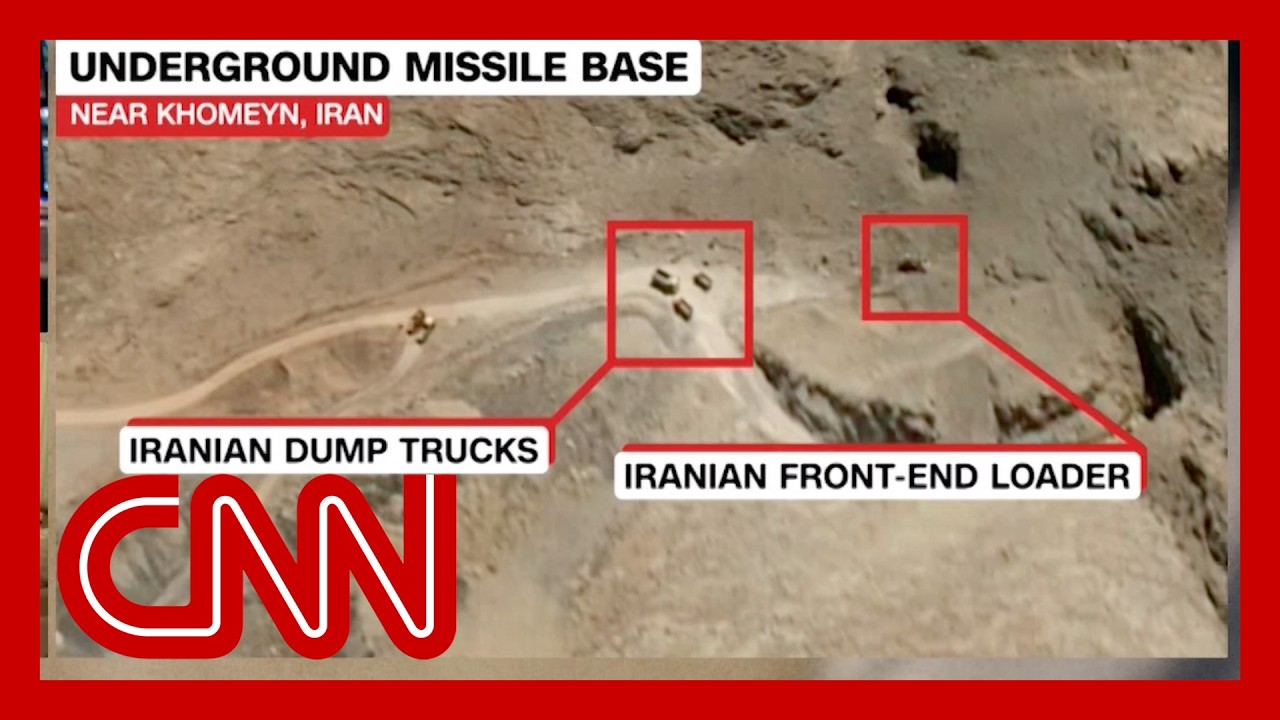
Recent satellite imagery has unveiled a striking development in Iran—earthmoving equipment is actively digging through rubble to retrieve missile launchers that were reportedly buried during the ongoing conflict. This revelation surfaces in the context of a ceasefire that, as U.S. officials declare, signals the end of hostilities. Yet, the stark reality presented by these images offers a more complex narrative, raising questions about the true state of military engagement in the region.
These satellite images depict front-end loaders busy at work, clearing debris from tunnel entrances that had been struck by U.S. and Israeli forces. The labyrinth of tunnels, believed to be housing missile systems, was largely intact despite the fighting preceding the ceasefire. U.S. intelligence assessments indicate that approximately half of Iran’s missile launchers remain operational despite the conflict’s toll. This toys with the narrative of victory proclaimed by the U.S. administration while laying bare the challenges that persist.
Karim Sadjadpour, an expert on Iranian affairs, emphasizes that this peculiar situation reflects both a military defeat for Iran and a new era of diplomatic overtures between Iran and the U.S.—the most significant since the 1979 revolution. Both sides seem inclined towards negotiation, evidencing a mutual desire to avoid recommencing full-scale warfare. Yet, the urgency found in Iran’s current digging operation cannot be overlooked; it indicates a strategic maneuver, aiming to restore capabilities even amidst a tenuous peace.
The underlying message from these actions is twofold. On one hand, the efficacy of U.S. military strikes seems to have significantly diminished Iran’s ballistic missile stockpiles. Conversely, Iran’s persevering nature becomes apparent. Despite setbacks, it appears unwilling to forfeit its military capabilities without a fight. This strategic resilience indicates that Iran is prepared to dig through the rubble to retrench its power—a behavior that the U.S. and its allies cannot afford to underestimate.
Discussions with military analysts reveal that such excavations should not come as a surprise. Historical precedent underscores Iran’s long-standing preparation for scenarios where their underground assets come under threat. The response to concentrated attacks on military infrastructure has invariably leaned towards recovery and resurgence, suggesting a deeply entrenched military ethos within Iranian leadership.
With geopolitical tensions on the rise, the implications of a renewed ceasefire extend beyond mere cessation of hostilities. If the ceasefire collapses, expectations for a resurgence of U.S. and Israeli military strikes loom large. Such a scenario could necessitate focused military operations aimed at crucial strategic locations like the Strait of Hormuz or petroleum facilities on Kharg Island. These locations remain pivotal for Iran’s economy, and targeting them would be likely in a situation of escalated conflict.
Moreover, the conversation surrounding blockades and their legality further complicates the narrative. While a blockade may be viewed as a legitimate wartime tactic, it inherently raises questions—what constitutes a ceasefire if one side is actively engaged in acts of war? This ambiguity reflects the growing complexity in how international norms contend with the realities of ongoing geopolitical rivalries.
As the U.S. administration advocates for negotiations, the feasibility of reaching a written agreement appears more fraught than ever. The past, marked by the prolonged and delicate negotiations surrounding the Joint Comprehensive Plan of Action (JCPoA), reminds us that rapid agreements often lack the necessary rigour to hold. Current discussions emphasize a desire for resolution, yet they veer dangerously close to the precipice of overlooking vital details.
Critiques indicate that a hastily negotiated agreement might disregard significant operational clauses crucial for lasting peace. A return to the bargaining table must involve meticulous discourse; otherwise, risks abound, leading the world further down the rabbit hole of sustained conflict.
In conclusion, as Iran digs out missile launchers from the rubble, the act symbolizes much more than mere recovery of military assets. It reflects the nation’s resilience in the face of adversarial pressures, all occurring alongside fleeting moments of diplomacy. The dance between warfare and negotiation continues, and while the world watches, it remains uncertain whether the ceasefire will foster peace or simply provide a temporary lull in enduring hostilities.