The Humanitarian Crisis in Sudan: A Closer Look
Sudan, a nation rich in history and culture, is currently engulfed in a humanitarian devastation triggered by a power struggle that erupted three years ago between the regular army and the paramilitary Rapid Support Forces (RSF). As a consequence, the conflict has escalated into one of the world’s most severe humanitarian crises. Today, an astonishing 33.7 million people—65% of Sudan’s population—find themselves in dire need of basic necessities like food, water, shelter, and medicine.
The severity of the situation cannot be overstated. Over 11.6 million individuals have been uprooted from their homes, with approximately 4.4 million displaced outside the nation’s borders and 6.8 million remaining displaced within Sudan. When accounting for those already displaced prior to the current conflict, that internal figure rises to 9.1 million. Alarmingly, three out of five of these displaced individuals are children, underscoring the profound impact this war has on future generations.
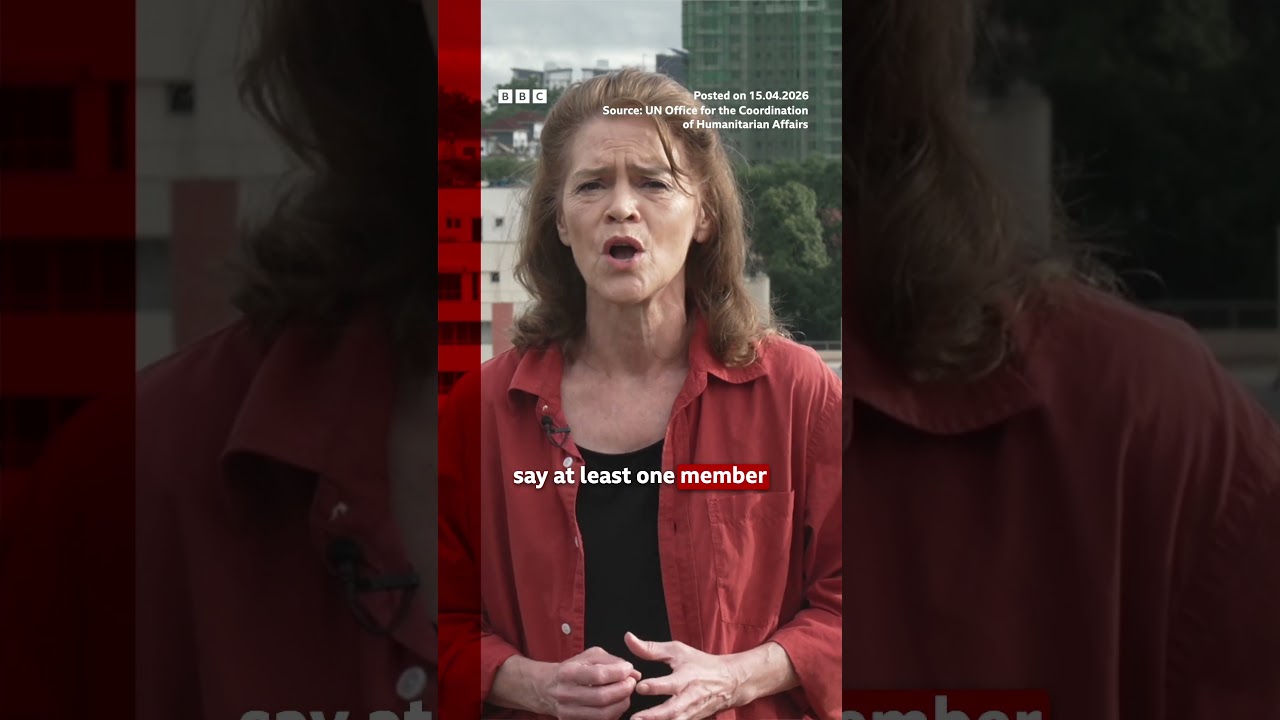
Food insecurity is rampant, with more than 28 million people facing acute hunger. The collapse of the economy, exacerbated by ongoing violence, has left many without reliable access to food. Shockingly, nearly one-third of displaced households report that at least one family member goes an entire day and night without eating. This grim reality highlights the urgent need for international intervention and support.
Furthermore, the conflict has intensified the risks faced by vulnerable populations. Over 12 million people are at risk of sexual violence, predominantly women and girls—a statistic that has seen a staggering 350% increase since the onset of hostilities. This surge in sexual violence serves as a tragic reminder of the conflict’s collateral damage.
While estimates of casualties are difficult to ascertain, reports indicate that over 50,000 people have died as a direct result of the conflict. Former U.S. envoy estimates suggest that the true number may be as high as 400,000. Of particular concern is the alarming statistic that nearly 700 civilians were killed by drone strikes in just the current year. Since the conflict began, attacks on healthcare facilities have claimed the lives of over 2,000 individuals, further crippling the nation’s ability to respond to the crisis.
In response to this escalating situation, various international bodies have attempted to intervene. The UN Security and Human Rights Councils have convened 56 times to deliberate on methods to address the crisis. Despite passing at least 11 resolutions and issuing numerous statements, tangible success remains elusive. U.S. diplomats have taken the lead in ceasefire negotiations, yet the effectiveness of these efforts has been disappointing, with a success rate reported at virtually zero.
Amidst this chaos, there remains a glimmer of hope. Approximately 26,000 local volunteers, who could aptly be described as heroes, have emerged to provide life-saving assistance to fellow citizens. Their selfless dedication stands in stark contrast to the broader narrative of despair, demonstrating that even in the darkest of times, humanity endures.
The plight of Sudan’s citizens is a stark reminder of the consequences that power struggles and warfare have on everyday lives. The international community must rise to the occasion, not just to alleviate the immediate suffering but also to lay the groundwork for long-term stability. The power dynamics in Sudan have wreaked havoc on its populace, yet the resilience of those at the grassroots level offers a sense of empowerment and hope for a brighter future.
In conclusion, the humanitarian crisis in Sudan underscores the urgent need for global awareness and proactive engagement. As the situation continues to unfold, the international community must prioritize actions that can reverse the tide of violence and suffering. Only through concerted efforts can we begin to heal the scars that this conflict has left on a nation that has faced far too much hardship.