Analyzing President Trump’s Remarks on the Iran Conflict: A Complex Landscape
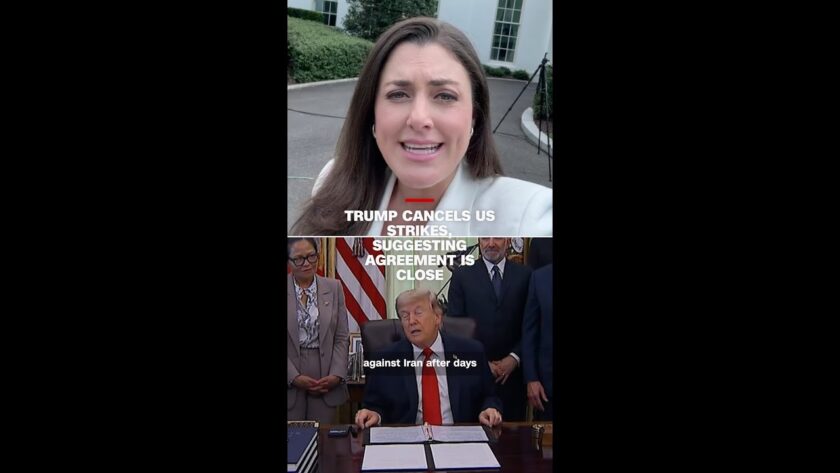
In a recent interview with Fox Business, President Trump asserted that the war with Iran is nearing its conclusion, a declaration he has made with increasing frequency over the past month. However, the validity of this claim raises critical questions about the realities on the ground, the efficacy of U.S. strategies, and the implications for global stability.
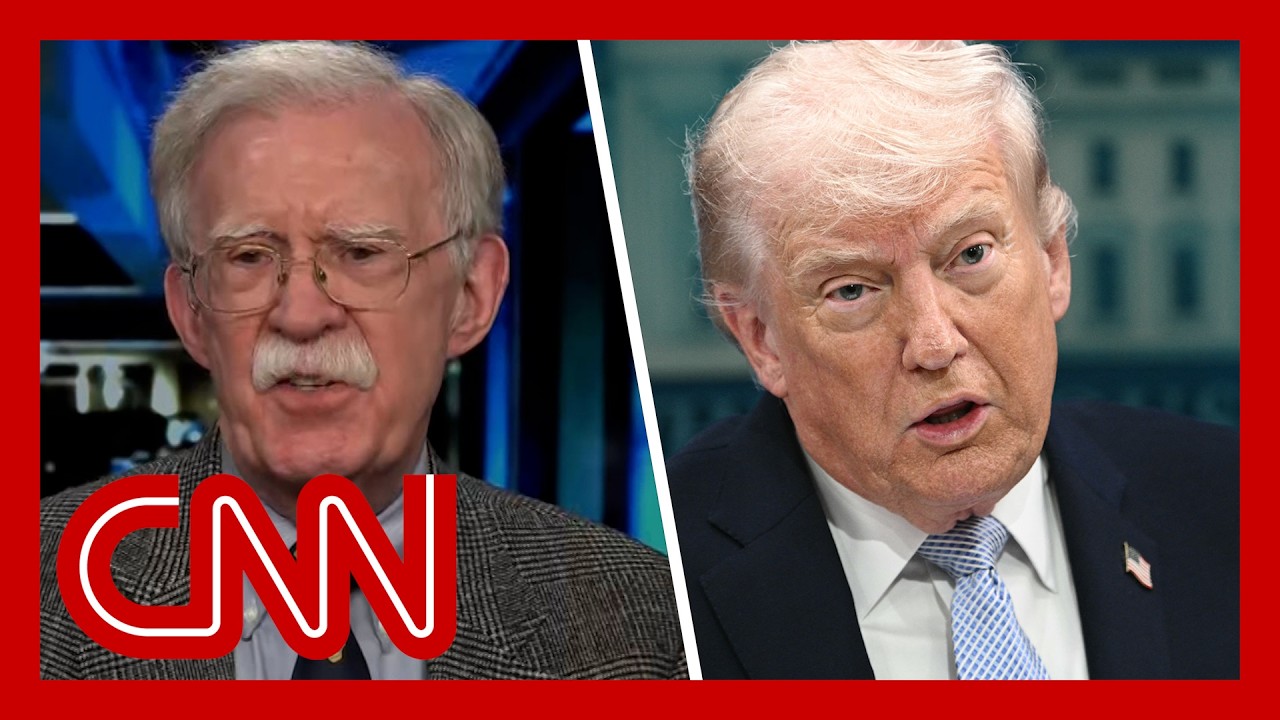
While Trump’s statements may echo a desire for resolution, one must scrutinize whether the situation is as favorable as he suggests. Experts, including those formerly associated with his administration, express skepticism about declaring victory prematurely, particularly before securing the Strait of Hormuz. This vital maritime passage is crucial for the continued flow of Gulf Arab oil, and any military or diplomatic resolution must prioritize its security.
In the realm of military strategy, a blockade aimed at curbing Iranian oil exports could indeed exert pressure. However, the underlying concern remains: can the United States ensure the safety of other oil-producing nations while diminishing Iran’s capabilities? Recent satellite imagery indicates Iran might be utilizing the ceasefire to reinforce its missile launch capabilities, suggesting a potential regrouping of forces.
This presents a double-edged sword. Allowing Iran to reorganize could jeopardize U.S. objectives, leading to a protracted conflict. Conversely, if the U.S. intelligence community can effectively monitor these activities, the military forces could neutralize emerging threats before they escalate. Thus, the clear imperative emerges: the U.S. must demonstrate resolve while navigating the complexities of military engagement.
Compounding this chaotic scenario is Trump’s characteristic unpredictability—a trait visible in his public feuds, including recent confrontations with the Pope over comments related to the war. Such outbursts raise concerns about his stability in decision-making, as his responses often appear reactionary rather than strategic. The interplay between personal grievances and international diplomacy results in a perilous strain on U.S. foreign policy.
Concerns regarding Trump’s psychological state, voiced by political commentators, complicate the discourse further. While analyzing a politician’s mental fitness can be contentious, dismissing the implications of his erratic behavior may prove naive, especially as he occupies a position of unparalleled authority in international matters. Each decision carries weight not just for the U.S., but for the broader geopolitical landscape.
Interestingly, Trump’s narrative has become increasingly intertwined with economic projections. He has hinted that, despite current disruptions, the economy—and consequently oil prices—will stabilize by the time of the midterm elections. This optimism serves to reassure a constituency anxious about rising fuel costs amid an ongoing conflict. Yet, such statements must reconcile with the harsh economic realities many Americans currently face.
As the situation unfolds, the prospect of renewed talks with Iran remains on the table, albeit in a preliminary stage. Key players, including Vice President J.D. Vance, are expected to lead these negotiations. The administration’s aim is clear: to reach a diplomatic solution that can extend the current ceasefire and potentially usher in a lasting peace.
However, optimism must be grounded in reality. History demonstrates that negotiations with Iran are fraught with uncertainty. The political landscape within the region remains complicated, shaped by deep-seated animosities and interests that often conflict.
Ultimately, President Trump’s assertions reflect a combination of personal ambition and strategic necessity. As he seeks to navigate the murky waters of international relations, it becomes imperative for his administration to adopt a coherent strategy that prioritizes both military and diplomatic goals. The stakes are high—not just for the U.S., but for regional allies and the global economy.
In conclusion, while the president’s claims of an imminent end to the conflict may resonate with specific audiences, the actual situation requires meticulous management. The administration must tread carefully, balancing military assertiveness with diplomatic overtures, ensuring that any resolution does not merely serve the fleeting desires of a political agenda but seeks to create long-term stability in a volatile region.