Navigating the Escalating US-Israel-Iran Conflict: A Deep Dive into Day 11
As we mark the eleventh day of the escalating conflict involving the United States, Israel, and Iran, tensions remain high. The battlefield landscape is complex, and the narratives coming from each side reveal their distinct motivations and political calculations.
In a dramatic announcement, US Secretary of Defense Pete Hex declared that today would witness the most intense day of operations against Iran to date. Armed with an artillery of fighters and bombers, he emphasized that America is on the winning side of this conflict, echoing President Trump’s assertion that a swift resolution is imminent. This framing serves a dual purpose: it reassures the domestic audience and signals resolve to international actors.
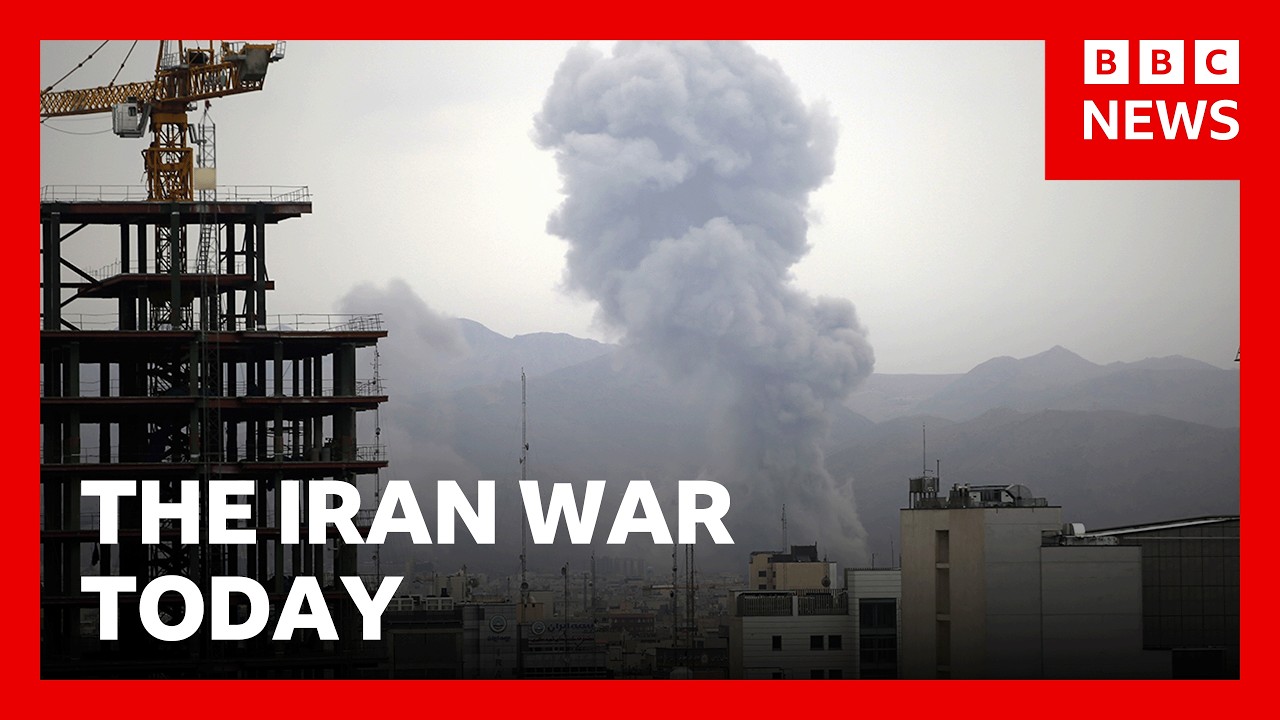
Yet, the situation on the ground tells a different story. Iranian military officials assert that the path to ending the war lies squarely within Tehran’s hands, not Washington’s. Reports indicate that cities in Iran, such as its capital, are under continuous air assault, with civilians caught in the crossfire. The stark contrast in the narratives illustrates a battle not just of arms, but of public perception.
The Political Calculus
In the US, the administration appears to be walking a tightrope. While they project military success—claiming to have decimated Iran’s missile capabilities by 90%—they face significant internal pressures. The specter of rising oil prices looms, causing unease within the corridors of power. In a year marked by midterm elections, Trump’s team is acutely aware that prolonged conflict could shift public opinion and jeopardize their political futures.
Sarah Smith, reporting from Washington, emphasized that the administration must balance showcasing military victories with the need to calm market fears. This balancing act is complicated by the stark reality that the political objectives laid out, such as regime change in Iran, remain unattained.
Moreover, there’s a growing concern that if conflict drags on, the administration will need to declare victory sooner rather than later, underlining the political risk they face. The room for error is slim as American voters grapple with the realities of war; the administration is not just focused on the battlefield but also on the voting booth.
Iran’s Response
Inside Iran, the narrative starkly contrasts with that projected by the American government. Iranian officials dismiss claims of a military setback and assert a narrative of resilience and victory. They emphasize their capability to prolong the conflict, framing themselves as defenders against external aggression.
Panyama Sadi, a reporter focusing on Iranian media, noted that Iran emphasizes its retaliatory capacity across the region. The regime seeks to galvanize internal support through public demonstrations, casting itself as a bulwark against foreign intervention. Iranian leaders have also communicated preconditions for any ceasefire, including guarantees against future US aggression, which points to a determined commitment to not yield easily.
The Strait of Hormuz: A Flashpoint
The Strait of Hormuz stands at the center of this military saga. With approximately one-fifth of the world’s oil passing through this strategic chokepoint, both sides realize its crucial importance. President Trump has amplified threats to retaliate fiercely if Iran obstructs oil exports. However, navigating this strait presents a series of formidable challenges for any military force.
Justin Crump, a military veteran, articulated the intricacies involved in meaningfully securing the strait in the face of Iranian capabilities. Effectively controlling the area would require comprehensive suppression of Iranian forces, an undertaking fraught with complications and risks. Any underestimation of Iran’s resolve could lead to severe consequences for US and allied forces.
Voices from the Ground
Beyond the strategic assessments, the humanitarian impact of the conflict is becoming increasingly dire. Messages from Iranian civilians relay a grim picture of life under bombardment, underscoring the human cost. As one individual poignantly noted, “Even if it takes weeks now, it is still better than spending a lifetime living with this system.” Such sentiments reveal a profound desire for change, albeit tangled in the chaos of war.
As this conflict unfolds, the broader implications for the region remain uncertain. Arab Gulf states, once open to dialogue with Iran, now express fury over recent Iranian military actions. Their position underscores a stark shift in regional alliances and highlights the volatility that the ongoing war could further exacerbate.
Conclusion
As we reflect on Day 11 of this fraught conflict, one thing seems clear: the struggle is not merely military but deeply political. The outcomes will depend not only on battlefield tactics but also on the narratives crafted by each side. In an era where information control can sway public opinion, understanding these dynamics will be essential in predicting the direction of this tumultuous conflict. The road ahead is fraught with uncertainty, but its impact will resonate far beyond the immediate region.