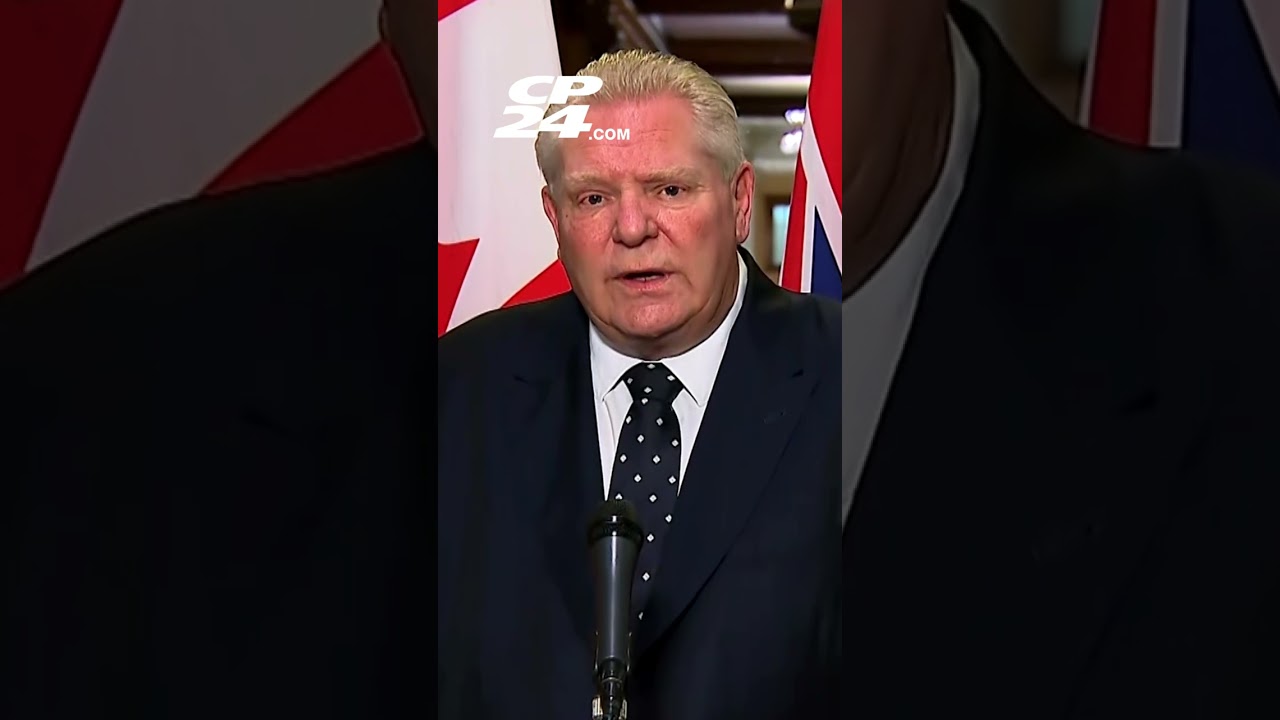
Doug Ford’s Strategic Move: Expanding Billy Bishop Airport
In a significant announcement, Premier Doug Ford has declared that the province of Ontario will assume control of Toronto’s stake in Billy Bishop Airport, commonly known as the island airport. This decision marks a pivotal shift in the future of air travel in one of North America’s largest cities. Ford’s vision involves expanding the airport’s runways, thereby allowing certain types of jets to take off and land, a move aimed at increasing operational capabilities beyond the current limitations, which permit only turboprop planes.
As it stands, the airport operates under an arrangement established by a tripartite agreement involving the City of Toronto, the federal government, and the Toronto Port Authority, which acts as a federal agency overseeing operations at the airport. The existing regulations restrict the types of aircraft that can service the island, focusing primarily on smaller planes and regional travel. By proposing an upgrade to allow for jet traffic, Ford suggests a shift toward expanding Toronto’s air travel capacity to better compete with global urban hubs like New York and Chicago, both of which boast multiple airports facilitating comprehensive travel options.
Ford’s rationale is grounded in economic growth and improved accessibility for Toronto residents. He proudly refers to Billy Bishop as a "crown jewel" of city infrastructure. His administration envisions an airport that not only meets the rising demand for air travel but also enhances competition in the sector. "Other cities have two airports; why shouldn’t we?" he posed rhetorically, underscoring a sentiment that resonates with many Torontonians who often find themselves navigating the logistical challenges posed by Pearson International Airport, the city’s primary international gateway.
Pearson Airport currently services around 40 million passengers each year, boasting significant infrastructure and resources. While Ford acknowledges the importance of Pearson as a high-capacity facility, he emphasizes the need for alternatives. "A lot of people don’t want to be driving up to Pearson," he noted, suggesting that the island airport can serve as a viable alternative for both regional commuters and travelers seeking convenience.
This move towards extending the airport’s allowable aircraft could also stimulate local economic growth. By bringing in larger jets, the hope is to cater to a wider demographic of travelers. This change could ultimately position Billy Bishop as a strategic asset for both tourism and business travel, providing more options for consumers while supporting local businesses that depend on the inflow of visitors.
However, the proposal is not without its challenges. The existing governance framework imposes limitations that could complicate Ford’s vision. Any significant alteration to airport operations will require navigating the intricacies of the existing agreement, as well as addressing the concerns of local residents who may have reservations about the implications of increased air traffic.
Noise pollution, environmental concerns, and the potential for increased congestion are all factors that local communities will scrutinize. Previous attempts to expand the operational capabilities of the airport have faced pushback from residents who cherish the island’s tranquility and the green spaces that surround it. These considerations must be balanced with the broader economic objectives outlined by Ford’s administration.
In conclusion, Premier Doug Ford’s initiative to take control of Toronto’s stake in Billy Bishop Airport and to pursue runway expansions presents a bold step forward for Toronto’s air travel landscape. This endeavor aims to position the city more competitively with other major urban centers, offering residents and travelers additional options while encouraging economic development. However, the proposal must navigate a complex regulatory environment and address community concerns to ensure a balanced and equitable approach to growth.