Understanding the Complexity of Trauma: A Survivor’s Voice
In the intricacies of human experiences, few encounters evoke more confusion and trauma than instances of sexual abuse. Recently, a survivor of such experiences shared their story, illuminating the nuanced emotional landscape that often accompanies such events. This account not only sheds light on individual trauma but also highlights the societal challenges that survivors face in articulating their pain.
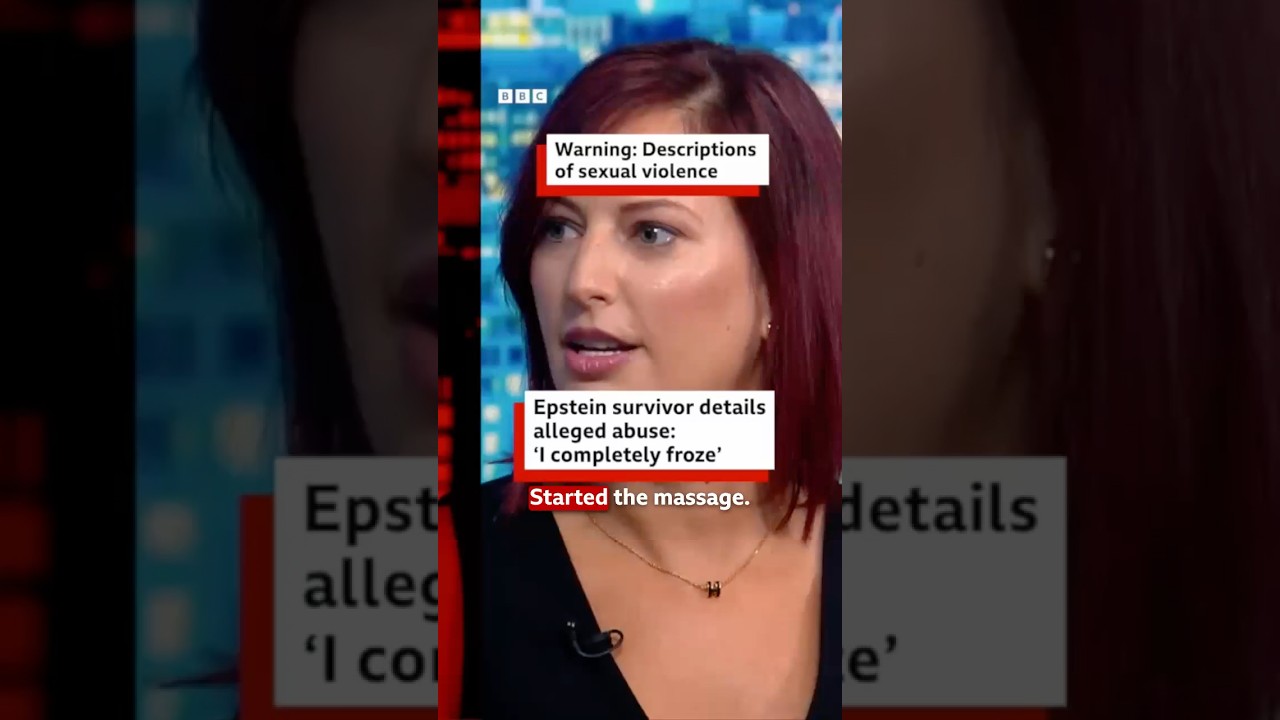
The survivor began by detailing a seemingly routine experience: a massage. “Everything seemed normal,” they said. The anticipation of relaxation and relief took a swift turn into confusion when the situation escalated in a manner that was both unexpected and deeply unsettling. “I wasn’t a masseuse, so I didn’t know what to expect,” they reflected. This statement underscores the idea that in situations involving power dynamics and consent, ambiguity can lead to traumatic outcomes. The experience quickly shifted from a potential healing interaction to a moment of profound shock when the perpetrator began to engage in masturbation in front of the survivor.
Frozen, caught between disbelief and instinctual self-preservation, the survivor could only wait. “You just kind of wait,” they stated solemnly, emphasizing the overwhelming sense of powerlessness. In these moments, the instinct to react can diminish in the face of surprise or fear—often leading to silence and inaction. This reaction is a common response in traumatic situations, reminding us of the psychological complexities involved.
Following the incident, the survivor found themselves in quiet contemplation during the ride home. The car, often a mundane space, evolved into a vessel of isolation. “I didn’t say two words in the car,” they recounted, emphasizing the weight of their silence. The embarrassment and internal conflict surrounding the experience rendered them speechless, reflecting a reality faced by many survivors—the struggle to articulate their trauma, often compounded by feelings of shame.
The complexity of trauma was further unveiled when the survivor recalled another instance of abuse, this time on the birthday of the abuser. “On that day, he raped me,” they revealed, admitting that their initial processing of the event did not classify it as rape. This revelation reveals a multifaceted understanding of consent and violation—one that is often clouded by previous experiences. The survivor noted their prior history of violent rape, which conditioned their perception of what constituted a traumatic experience. This highlights a critical point about the psychology of trauma: past experiences can shape and reshape one’s understanding of subsequent encounters, leading to confusion about consent and violation.
The survivor’s journey toward recognizing the harm done to them is reflective of a broader societal narrative. Many individuals are encumbered by the stigma surrounding sexual assault and may take considerable time to acknowledge their trauma. This reluctance to label an experience as rape can stem from various factors, including societal expectations, a lack of clear definitions, and deeply embedded feelings of guilt and shame.
Moreover, the survivor’s experience brings to light the larger conversation about accountability and power dynamics in situations involving authority figures. In the case of abuse, it is often those in positions of power who manipulate circumstances to exploit vulnerability. Understanding that these dynamics can lead to significant emotional repercussions is crucial in dismantling the silence surrounding such acts.
In sharing their experiences, survivors play a vital role in the collective acknowledgment of trauma. Their stories remind us that the path through healing is not linear; it is often fraught with moments of confusion and reevaluation. As a society, it is our responsibility to listen, validate, and support the voices of those who have endured such hardships. Recognizing the complexity of trauma is the first step toward fostering an environment where survivors feel safe to share their stories and receive the healing they deserve.