The End of an Era: Victor Orban’s Defeat in Hungary’s 2026 Election
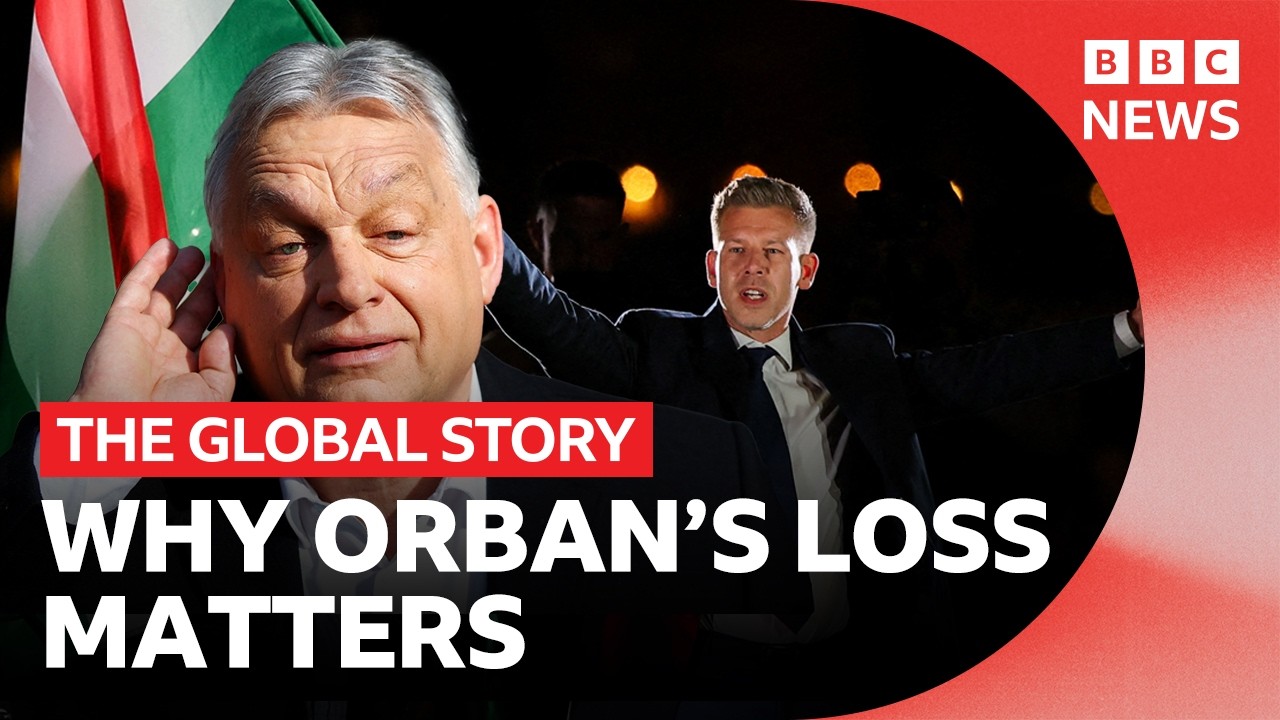
After 16 years in power, Victor Orban’s tenure as Hungary’s Prime Minister has come to an end, marking a significant shift in both national and international politics. His successor, Peter Majar, ascended to the role following a decisive electoral victory, demonstrating a palpable public desire for change. This transition is not only a monumental event for Hungary but also resonates profoundly across the global political landscape, particularly among far-right factions.
Orban’s political career was defined by his close alliances with controversial global leaders, notably Vladimir Putin and Donald Trump. Throughout his administration, he embraced an assertive nationalist agenda characterized by anti-immigration policies and a staunch Euroskeptic stance. As the final week of the campaign unfolded, the American Vice President, JD Vance, made a notable appearance in Hungary, singling out Orban’s appeal to American conservatives. Despite Vance’s endorsement, which reaffirmed the Trump administration’s support, Orban could not secure another term. This unexpected outcome raises critical questions: why did Hungary’s election capture the attention of the Trump administration, and what does Orban’s defeat mean for right-wing movements globally?
In the lead-up to the election, Orban showcased the support of numerous far-right figures from Europe and beyond, demonstrating his influence within this political sphere. A video he posted on X featured endorsements from prominent leaders, portraying himself as a defender of "traditional family values" and a bulwark against what he termed "wokeness." This coalition of far-right support highlighted Orban as a pivotal figure in the international populist movement.
Politically, Orban’s strategies were designed to curtail liberal expressions within Hungary and expand his party’s control over key state institutions, including media and academia. Such tactics, which critics frequently associate with an erosion of democracy, received pushback from the European Union, leading to withheld funds crucial for Hungary’s economic stability. Orban’s adversaries argued that his relationship with Russia was detrimental, particularly during a time when the EU united against Russian aggression in Ukraine. This perception of pro-Russian sentiment may have alienated voters who grew weary of the economic consequences stemming from his foreign policy choices.
Meanwhile, Peter Majar, Orban’s successor, emerged as a credible alternative. His ascendancy follows a period of electoral success for his party in the European Parliament, indicating a shift in public sentiment. Although Majar’s party, Fidesz, is rooted in conservative ideology, his past affiliation with Orban raises questions about the potential degree of change his leadership may bring. He has promised a renewed commitment to cooperation with the EU while maintaining some of the conservative tenets that appeal to the electorate.
The election campaign was undeniably fraught with tension, featuring numerous accusations and a flair for sensationalism. Allegations of a potential scandal involving a "sex tape" and dubious foreign interference brought an unwelcome drama to an already highly charged atmosphere. Critics contend that such tactics reflect broader trends in European politics, where disinformation campaigns are increasingly utilized to undermine political opponents. This landscape, coupled with the fear of external influence from Russia, suggests that Majar’s administration will inherit a complex political environment fraught with challenges.
Orban’s defeat resonates beyond Hungary, sending a cautionary message to right-wing populist leaders across Europe. It reflects the shifting dynamics in global politics, where longstanding power structures are being reconsidered. While some may view Majar’s rise as a beacon of hope for liberal democracy, the overarching reality remains more nuanced. The landscape is not devoid of far-right sentiments; rather, it is evolving.
As the world observes these developments, the implications are profound. Will Hungary pivot decisively towards a more collaborative relationship with the EU, thereby restoring some degree of economic stability? Or will the remnants of Orban’s policies linger, hampering progress? The answers to these questions may not only influence Hungary but also reverberate throughout the broader European political landscape.
The end of Orban’s era marks not just a change in leadership but a potential realignment of ideological forces. As politicians worldwide take note, the future of democracy in Europe remains a subject of considerable scrutiny and concern.